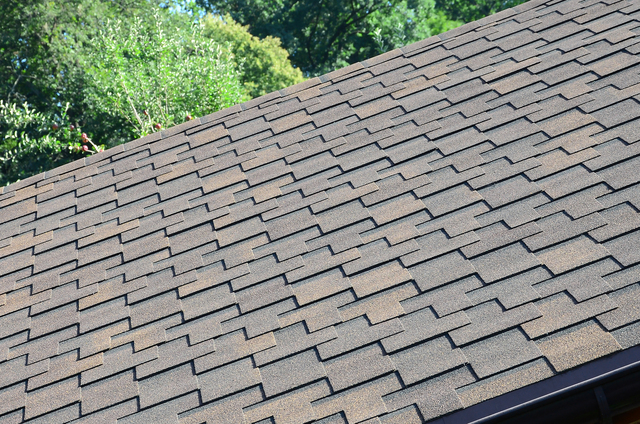
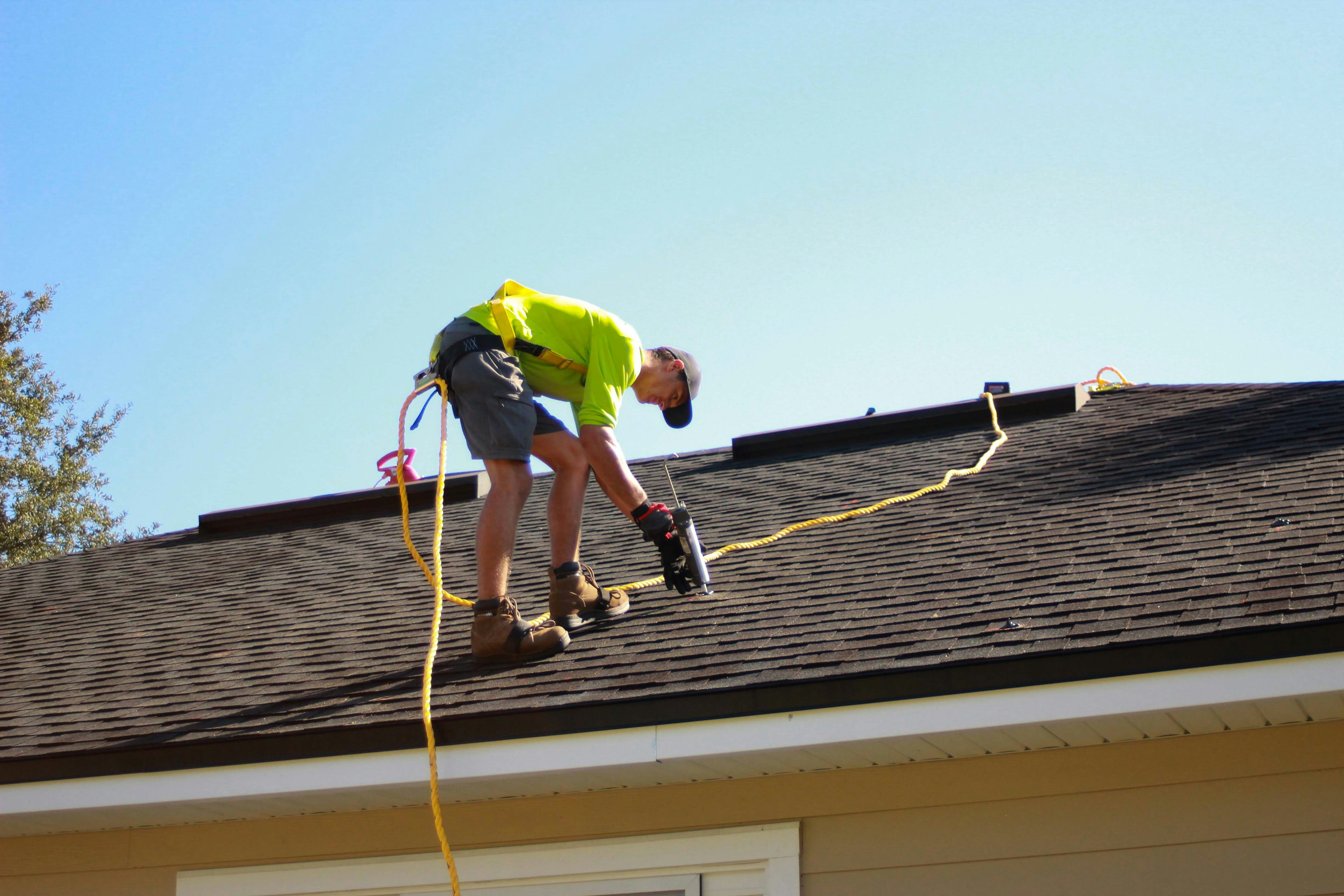
Walk across any commercial roof deck in Naples during a standard Southwest Florida summer, and you will feel the intense, unforgiving heat radiating through your boots. While business owners frequently worry about high winds and heavy downpours, a silent, invisible mechanical force damages flat roofs every single day under clear blue skies: thermal expansion and contraction.
At PRG Roofing, founders Randy and Rob believe that an educated property owner is our best partner. Understanding the physics behind why flat roof seams delaminate allows asset managers to transition from reactive crisis management to proactive capital preservation.
The Science of Thermal Shock
A commercial flat roof—whether constructed of TPO, PVC, or modified bitumen—is a massive exposed surface. On a typical 90°F Naples day, the temperature on a dark or aging membrane can easily skyrocket past 150°F.
When a material absorbs this level of heat, it physically expands. When the inevitable afternoon cloud cover arrives or a sudden rain shower hits, the roof temperature can drop 40 degrees in a matter of minutes, causing the membrane to rapidly contract. This volatile cycle is known as thermal shock.
Anatomy of a Seam Failure
The weakest points of any flat roof system are the lap seams—the areas where individual sheets of membrane overlap and are bonded together via chemical adhesives or heat welding.
[caption id="attachment_3331" align="alignnone" width="755"]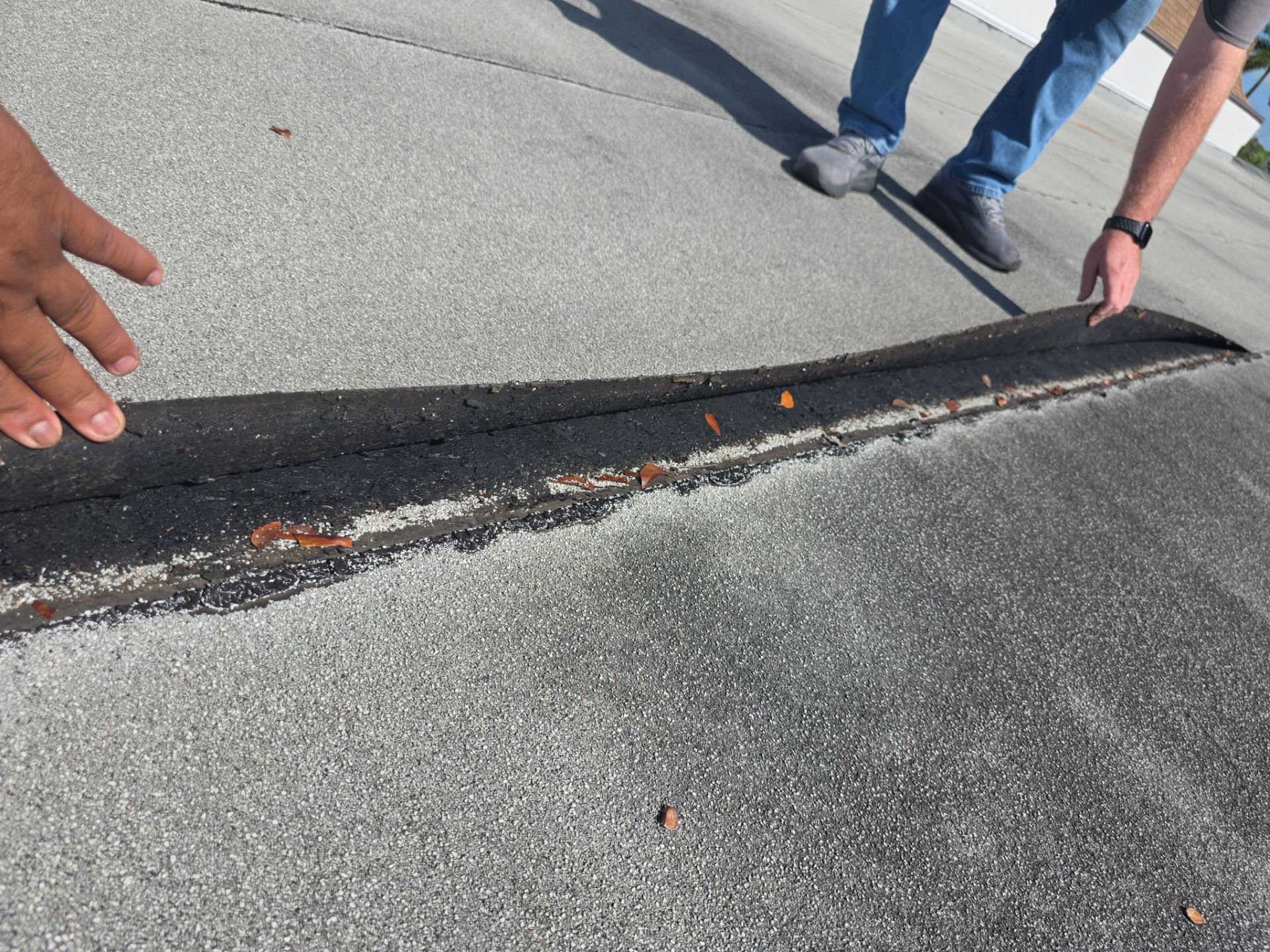 A forensic view of a catastrophic lap seam split caused by severe UV exposure and repeated thermal cycle stresses.[/caption]
As seen in this diagnostic photo captured during a recent forensic inspection, extreme thermal tension pulls heavily at the lap seams. Over time:
-
The raw UV rays dry out the underlying adhesive layers.
-
The repeated expanding and contracting movements create microscopic fractures along the bond line.
-
The seam completely delaminates, lifting like paper and leaving the underlying insulation core wide open to moisture.
The Hidden Danger: The "Sail" Effect
Once a flat roof seam splits open, water infiltration isn't your only emergency. A detached seam compromises the structural wind-uplift rating of the entire building. When high winds hit the structure, air forces its way underneath the loose flap, turning the membrane into a giant sail. A single unsealed seam can lead to a catastrophic peel-back of the entire roof deck during a major storm event.
The PRG Approach: Absolute Transparency
We don’t believe in manufactured emergencies or high-pressure sales pitches. When Randy and Rob audit your commercial asset, we physically stress-test transition points, map the thermal integrity of your seams, and provide clear photographic data via CompanyCam. If a seam can be structurally re-welded or reinforced to save you a capital expenditure, we show you the exact proof.
Protect your bottom line by catching thermal fatigue before it turns into a structural disaster.