ARTICLE:
Metal roofing’s low-maintenance reputation is real, and it is exactly why so many metal roofs in Fort Myers get ignored until water shows up on a ceiling. The metal itself easily outlasts an asphalt shingle roof. The fasteners still age, the sealants crack, and the finishes chalk, and none of that announces itself before something fails. PRG Roofing & Construction Inc. in Fort Myers sets metal maintenance schedules around three variables. The honest answer to how often depends on what kind of metal is over your head.
Your Panel Type Sets the Baseline Interval
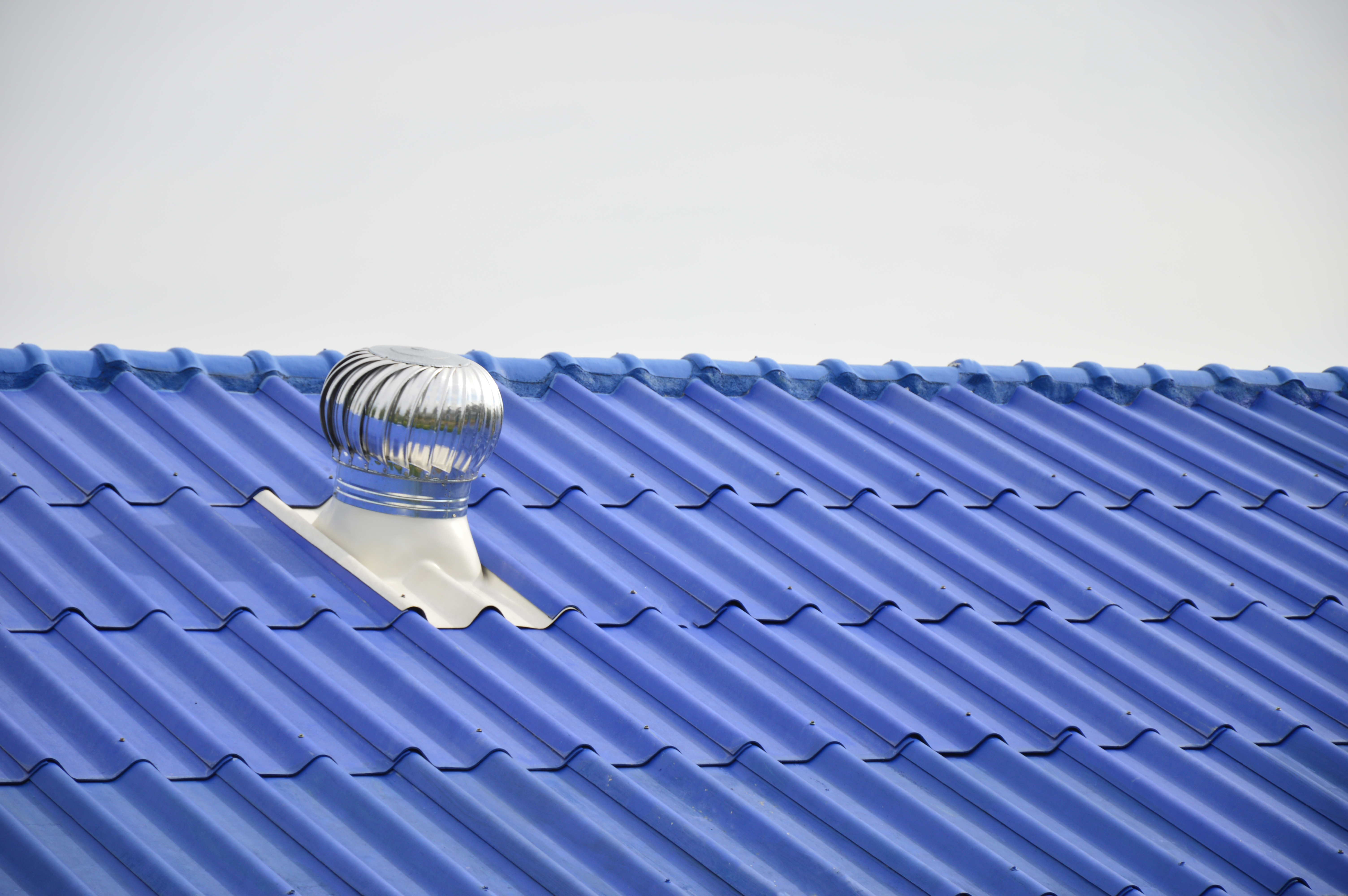
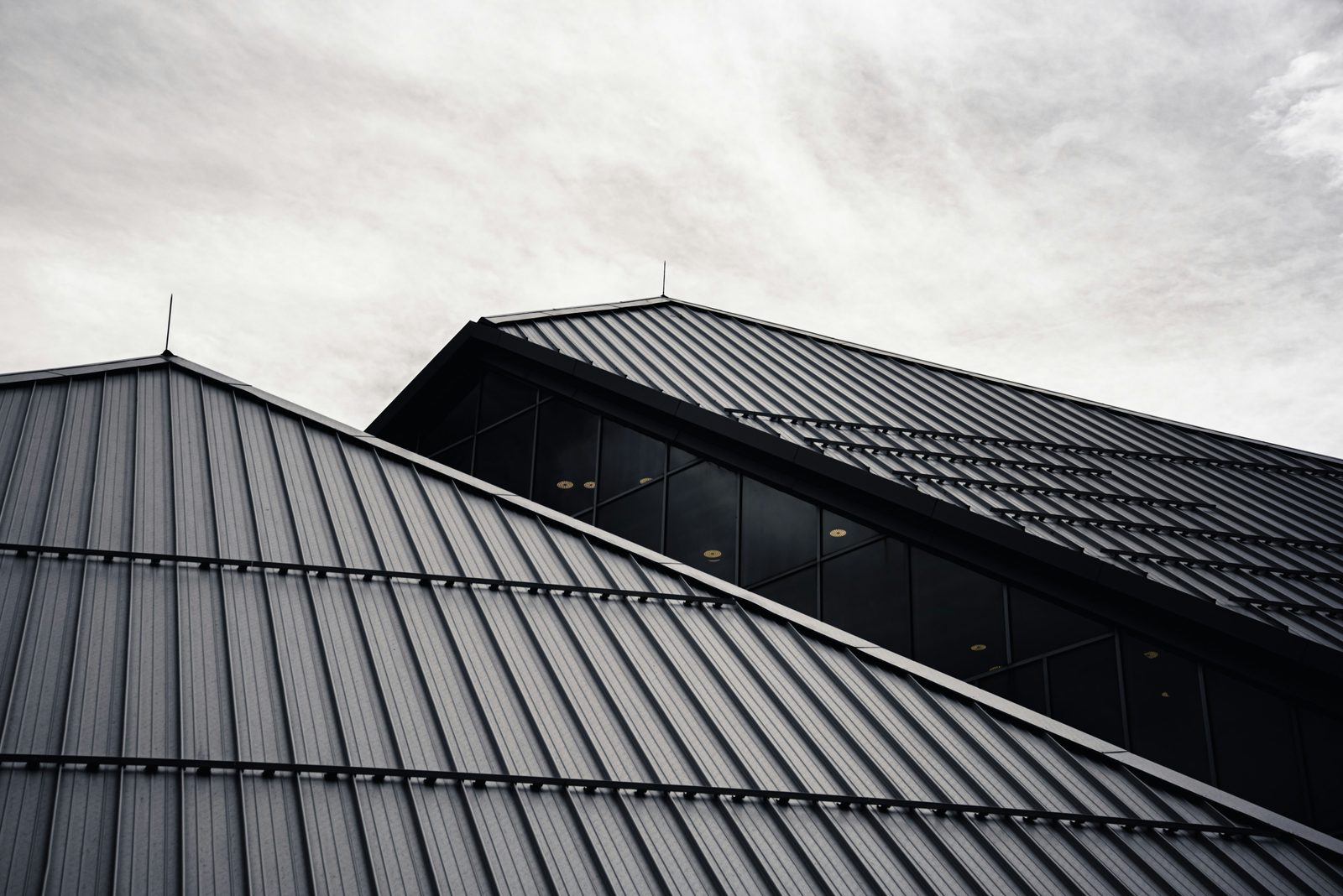
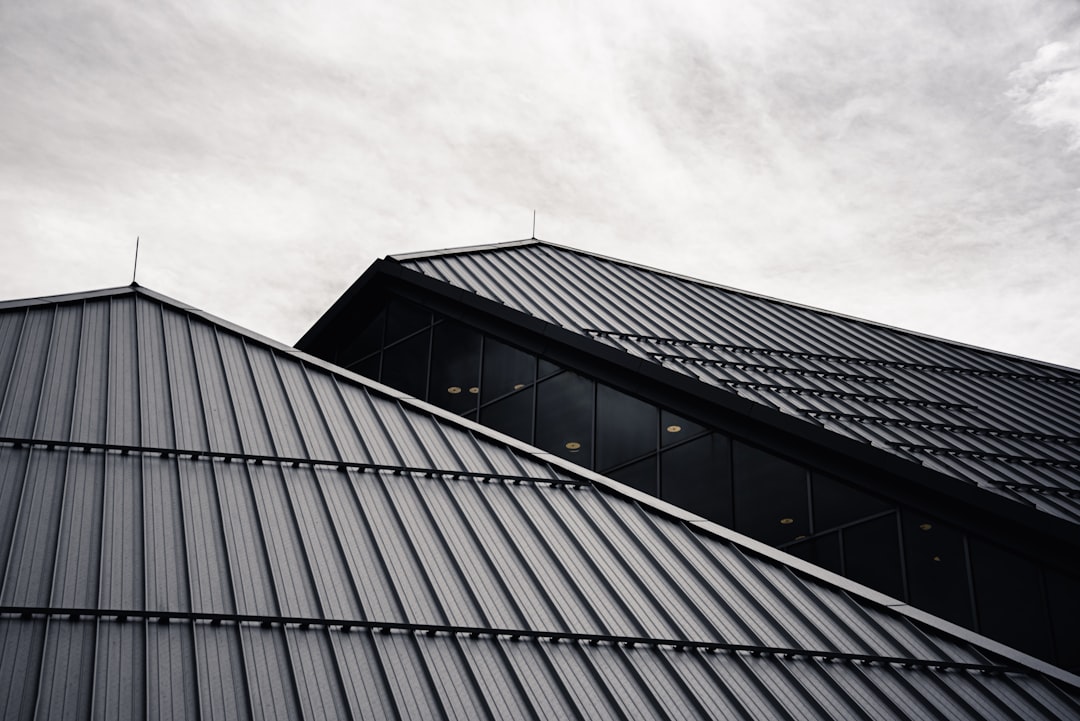
An exposed-fastener screw-down panel and a standing seam panel age on different clocks. Treating them the same gives one of them the wrong schedule. Screw-down panels drive a neoprene washer at every fastener through the face of the metal. That rubber sits fully exposed to Fort Myers UV, heat, and daily sun cycling with no cover over it. Standing seam panels interlock along concealed ribs with floating clips, so the face carries no penetrations and the metal slides with the heat. We put a screw-down roof on a yearly inspection. A healthy standing seam roof can run every one to two years early on.
The Washer-Aging Years Tighten the Cadence
A screw-down metal roof moving through its seven-to-15-year stretch has the possibility of neoprene washers beginning to break down. That washer breakdown stays invisible from the ground below. Each washer that cracks or shrinks lets wind-driven rain track down the fastener shank into the decking. That moisture does not surface as a leak until the decking reading climbs past 18%. Once a screw-down roof clears that stretch, we tighten the inspection schedule to twice annually. Catching a washer early means a washer swap rather than a decking replacement.
A Hurricane or Tropical Storm Generates Its Own Separate Inspection
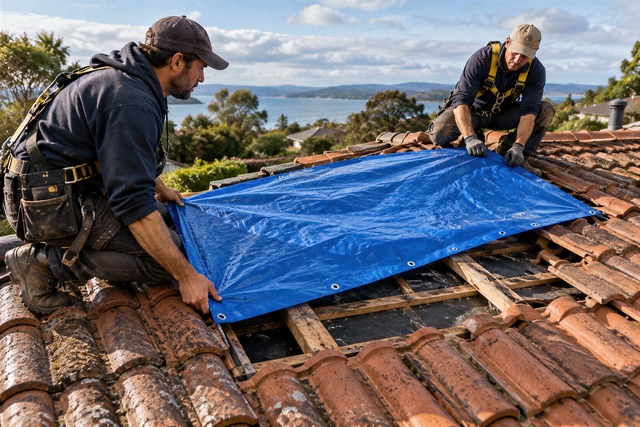
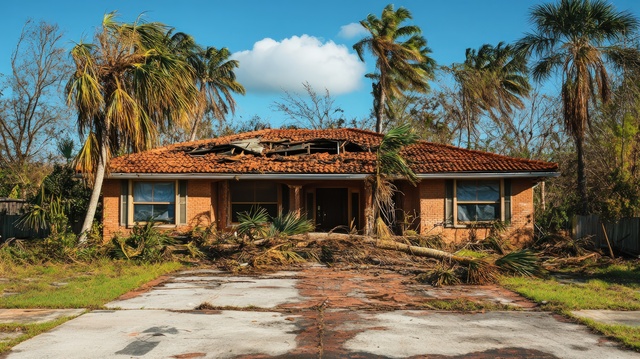
Hurricane season in Fort Myers runs June through November. A hurricane or tropical storm that crosses Lee County warrants a professional inspection afterward regardless of your scheduled one. Wind concentrates its uplift at the ridges, hips, and edges. The ridge cap closures and foam closure strips that seal those zones can lift or shear without leaving a visible gap until rain is already under the panel. Flashing at pipe boots, vent stacks, and sidewall transitions sits just as exposed. Our post-storm inspectors look (STOP USING READS FOR THIS)for wind signatures the scheduled one would miss for months.
What Our Professional Inspections Look For
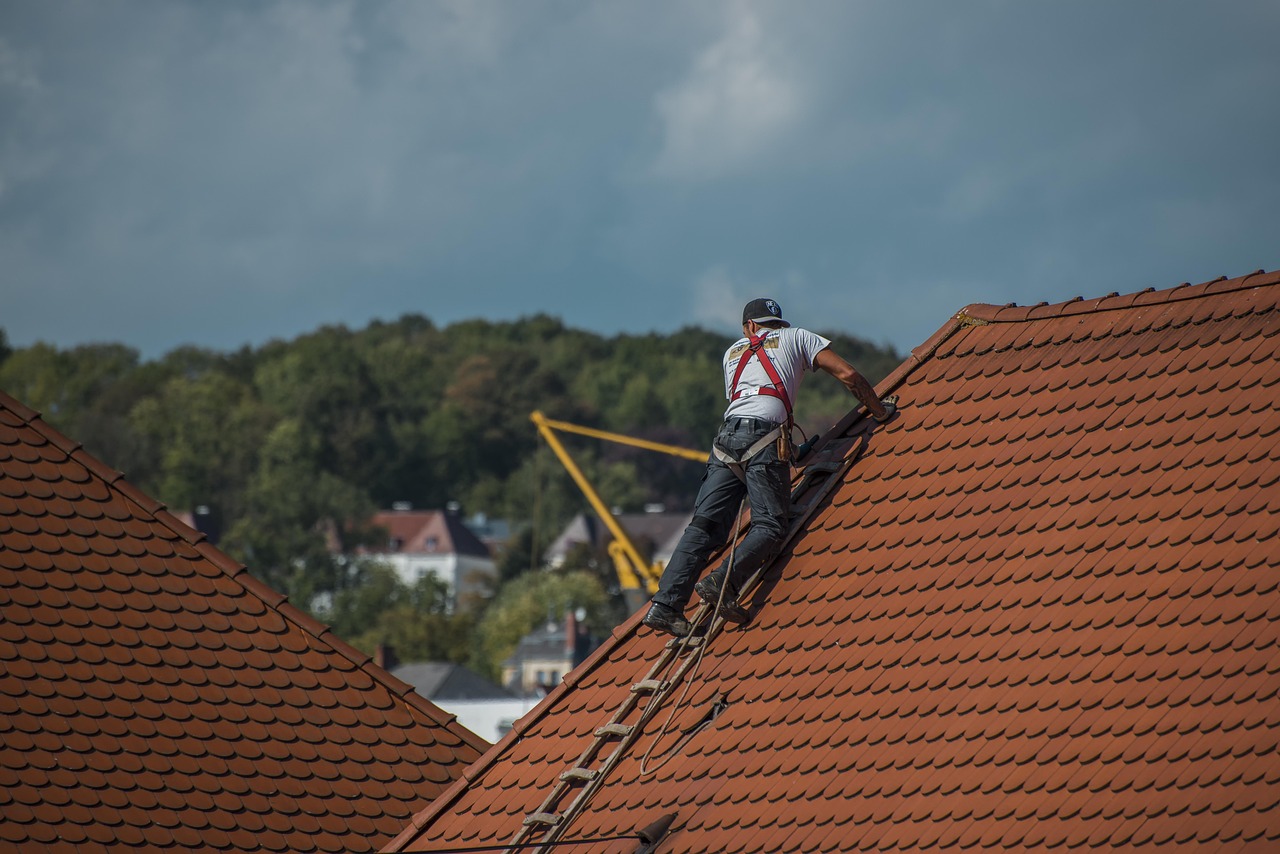
On a screw-down roof, our crew walks the full fastener pattern. We check each screw for back-out, mushroomed washers, and neoprene that can no longer compress. On a standing seam, we read seam engagement along each rib and watch for oil canning that has worsened between inspections. A ripple that moves from one inspection to the next can flag attachment stress beneath a cosmetic-looking surface. The PVDF or Kynar finish gets read for chalking and any breach that exposes bare Galvalume to salt-laden humidity. Rust can travel under an intact-looking coating once the surface fails.
Documentation Is What Your Insurance Carrier Reads After a Storm
Manufacturer warranties on metal systems generally require evidence of reasonable maintenance before they entertain a premature-failure claim. A documented history is the difference between a warranty call that is approved and one that stalls. The same time-stamped photo record supports your insurance claimafter a storm. It shows pre-storm conditions against post-storm changes without leaning on memory. That documented history is what keeps a storm claim from being discounted over a maintenance dispute. The wind-mitigation notes we file support the credit your insurer applies to the premium.
Get Your Metal Roof on the Calendar Before the Season Loads It
A screw-down roof that has gone a year without a professional inspection is inside the washer-aging stretch whether it leaks or not. A standing seam roof that skipped last year’s inspection carries unread seam and flashing condition into hurricane season. Call PRG Roofing & Construction Inc. at (239) 237-2906 to schedule a maintenance inspection calibrated to your panel system, your roof’s age, and your storm history. We arrive with a pin moisture meter, a time-stamped photo log, and the on-site flashing capability. We can tell a roof that needs routine attention from one starting to signal something larger.