ARTICLE:
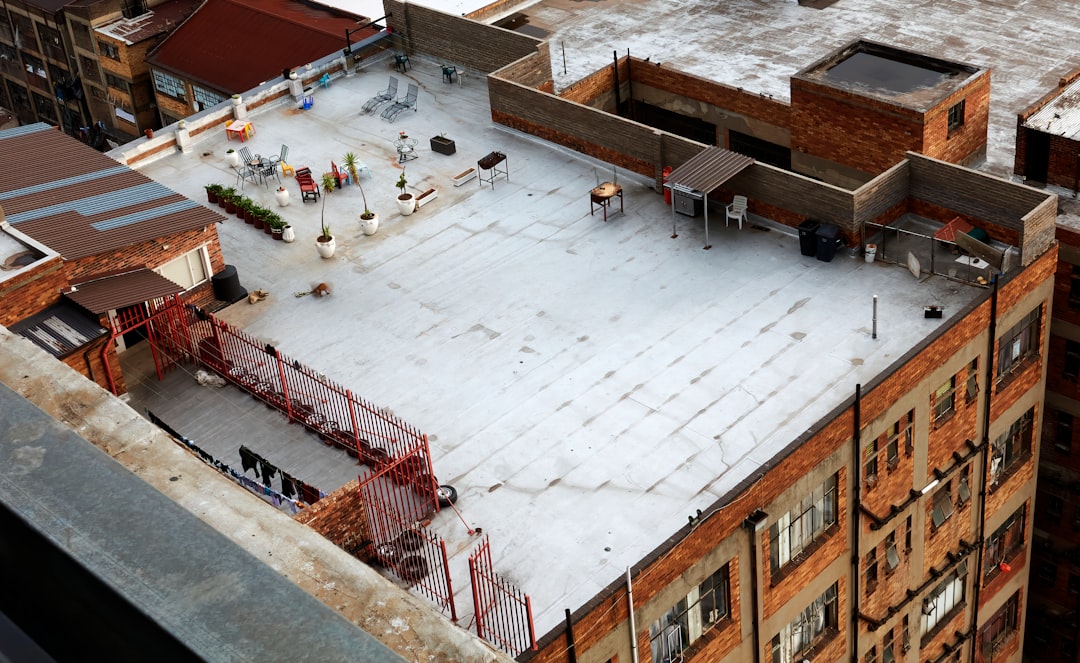
Most Fort Myers coastal homes are two roofs in one. The pitched field over the living space drains fast and takes shingle, tile, or metal. Behind it, a flat lanai, room addition, or carport tie-in drains slowly and asks for something else. So when you ask whether TPO belongs on your home, our honest answer at PRG Roofing & Construction Inc. in Fort Myers starts with a sketch of those two planes.
The Thermoplastic Weld Is What Coastal Wind Tests First
TPO is a thermoplastic membrane, so two overlapping sheets heat-fuse at the lap until the boundary between them disappears. There is no adhesive bond line to creep or peel, and no taped seam for wind-driven rain to pry an edge into. A welded seam carries the same load as the middle of the sheet. On a coast where afternoon thunderstorms push rain horizontally and upward, that fused overlap is the most defensible thing about this material. We photograph every weld in a time-stamped log, so the record exists the moment an insurance claim needs it.
Slope Decides Which Sections Even Qualify
TPO is engineered to stay watertight under the slow sheet flow a flat or low-slope plane produces. Once a roof runs steep enough for shingle or tile, water moves fast and a lap-shedding material drains it the way the slope intends. A single-ply membrane was never built for that pitch. The candidates on a typical Fort Myers home are the shallow sections, the rear lanai, the room addition, the covered carport. Committing one plane to a material built for the other is the kind of call that costs twice.
Terminations And Edge Metal Take The Worst Of The Coastal Load
A single-ply roof is only as watertight as the perimeter where it stops. Uplift loads peak at corners and edges, so an under-fastened termination bar or loose edge metal lets wind-driven rain track beneath a field that may be perfectly welded. On a flat addition with the wrong fastener spacing, the white surface looks flawless from the yard while the first trouble shows as a stain on the interior ceiling after a storm. That stain is your cue to call us, and reading the section behind it is our job from there. We fabricate flashing on site to fit each penetration, and our fastener pattern follows the design wind zone your property carries.
Salt Air Attacks The Metal Around A TPO Section
The TPO polymer does not corrode in salt air, which is one reason it fits a coastal section. What salt air goes after instead is the metal, the edge metal, the termination bars, and the fasteners. Coated or stainless-grade hardware is where that detail lives, and we confirm the selection before a single sheet goes down. Reflectivity matters here as a durability trait, since a white surface runs cooler under Gulf UV and a cooler membrane keeps the day’s heat from baking the welds a coastal storm later tests.
Recover Or Tear-Off Comes Down To Two Reads
When a flat section already carries a membrane, the recover-or-tear-off choice is a substrate question. The first read is drainage, since a re-cover preserves the existing slope, so a plane that ponds after a storm will pond under a new sheet too. Rebuilding positive drainage means tapered insulation during a tear-off. The second read is moisture, because wet decking trapped under a re-cover keeps deteriorating and voids the new membrane. We map the field with a pin moisture meter, and an 18% decking reading moves the call from re-cover to tear-off, since saturated wood will not hold a fastener and fresh membrane over it only buys a brief reprieve.
Let A Crew Read Your Sections Before You Commit A Plane
Reading your sections is our work, through the slope check, the moisture meter, and the termination inspection. PRG Roofing & Construction Inc. shows up with a laser for the slope, a pin meter for the substrate, and a camera that time-stamps every seam and termination. We verify Florida Product Approval on every assembly we specify and produce the wind-mitigation documentation your insurance carrier may credit against your policy. If a faint ceiling stain appeared under a flat section after the last wind-driven storm, call us at (239) 237-2906. We will sort the sections and hand you a straight recommendation on each plane before the next storm cycle makes the call for you.