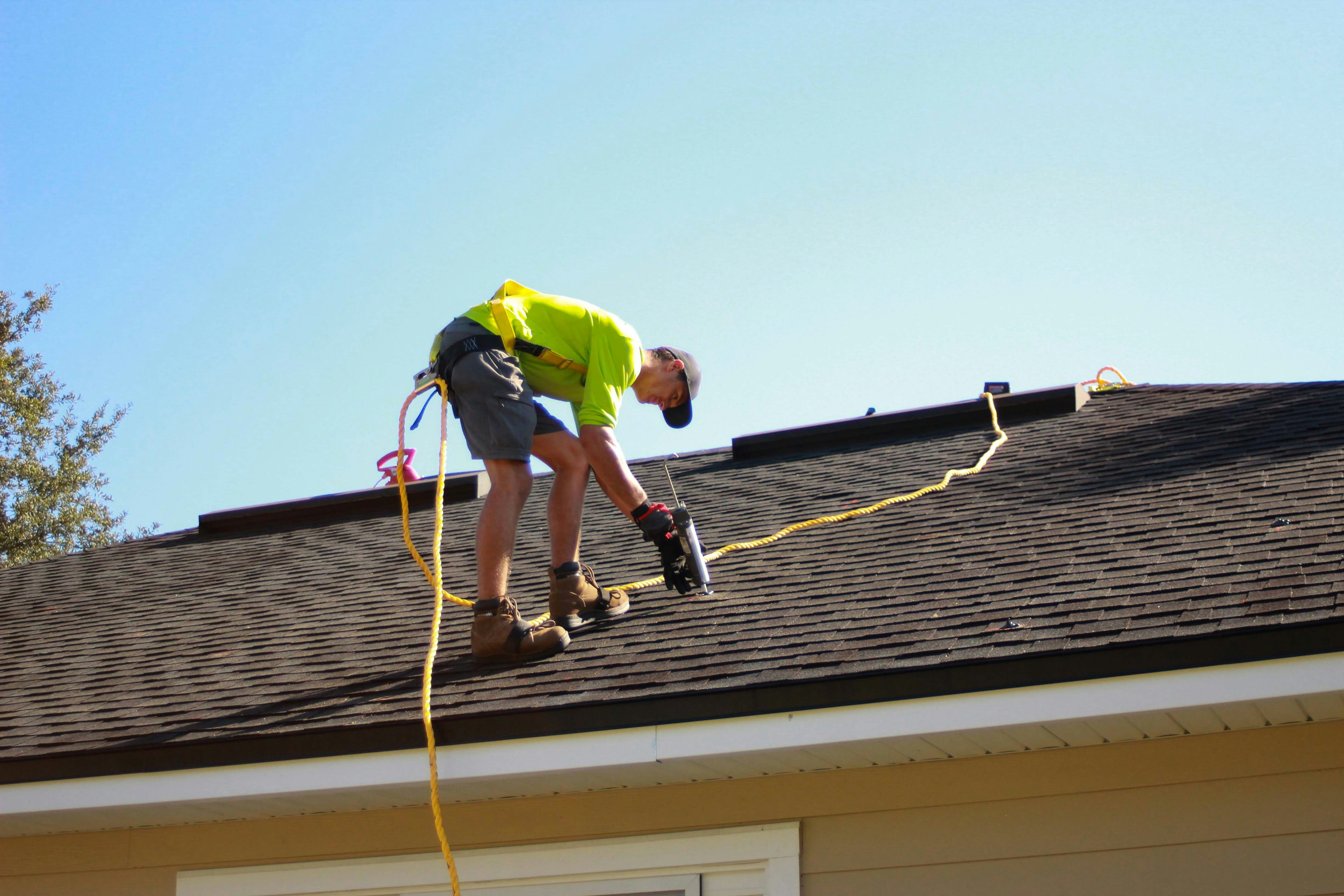
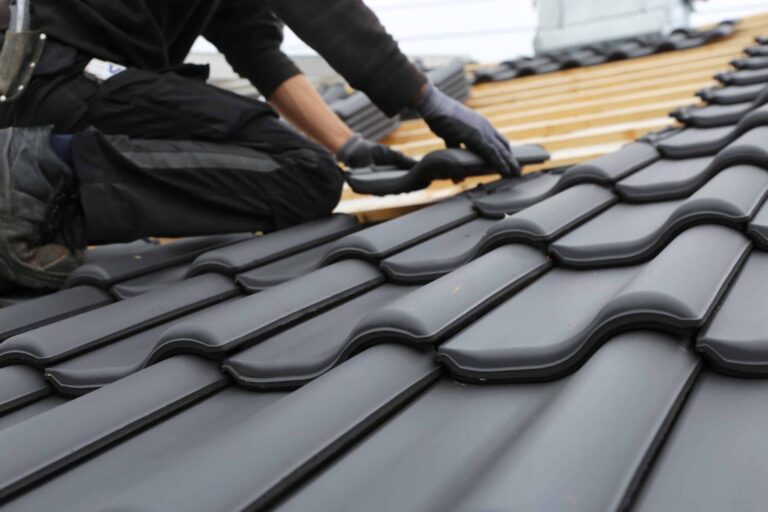
 Right now, the membrane on your Bonita Springs commercial roof is losing flexibility. The plasticizers baked into TPO and PVC membranes during manufacturing are the chemicals that keep the material soft enough to expand with heat and contract overnight. Sustained UV exposure and daily thermal cycling break those plasticizers down over time, and once they’re depleted, the membrane turns brittle and cracks under the same temperature swings it used to absorb without complaint. You can’t see this happening from the ground, and you won’t feel it in the building until a seam opens during a heavy afternoon downpour.
PRG Roofing & Construction Inc., serving Bonita Springs from our Fort Myers location, works with building managers who oversee flat and low-slope commercial systems across Southwest Florida. You don’t need to become a roofing expert to manage your building well, but three areas of knowledge will protect your budget and your tenants more than anything else.
Know Your Membrane And What Breaks It Down
TPO, PVC, and modified bitumen are the three membrane systems you’ll encounter most on commercial buildings in Bonita Springs. Each one uses a different seam-welding method, carries different UV resistance ratings, and ages differently under Florida’s climate. TPO and PVC seams are heat-welded, and the strength of that weld depends on temperature calibration during installation. Modified bitumen uses torch-applied or self-adhered seams that respond differently to building movement. Knowing which membrane sits on your roof tells you what kind of maintenance it requires, when to expect its first vulnerability, and what questions to ask when a contractor recommends repair or replacement.
Understand Drainage, Because Your Warranty Depends On It
Florida Building Code requires positive drainage on commercial roofs at a minimum slope of one-quarter inch per linear foot. If rain water remains standing on your roof more than 48 hours after the storm passes, the NRCA classifies that as ponding. Most commercial membrane manufacturers exclude ponding damage from warranty coverage, which means standing water on your roof could void the very protection you’re counting on. Blocked drain baskets, crushed scupper openings, and sagging insulation boards are the usual causes of ponding on Bonita Springs buildings, and each one is fixable when caught during a routine assessment.
Learn Where Commercial Roofs Leak First
The membrane field across the center of your roof is rarely where leaks originate. FM Global data confirms that penetration flashing around rooftop equipment, specifically HVAC curbs, pipe entries, and conduit mounts, is the leading leak source on commercial roofs. These areas take foot traffic from service technicians who access rooftop units for maintenance, and each visit risks scuffing the membrane or shifting a flashing seal that nobody re-checks afterward. If your HVAC vendor walks directly on exposed membrane instead of designated walkway pads, that traffic pattern wears through the top layer within a few years. PRG inspects these zones with particular attention because one displaced flashing boot can let more water into your building than a worn membrane field ever would.
What Your Warranty Probably Doesn’t Cover
Pull your commercial roof warranty and read the exclusions page. Most manufacturer warranties exclude damage caused by ponding water, unauthorized foot traffic, failure to maintain the system, and alterations made without the manufacturer’s written approval. If rooftop equipment has been added, relocated, or serviced since installation and the membrane wasn’t re-flashed and re-inspected, your coverage may already have a gap. PRG helps Bonita Springs building managers review their warranty terms against their roof’s current condition so the document you’re relying on matches the roof you’re standing under.
The Five Zones That Tell You Everything
PRG’s commercial inspection covers membrane condition, seam integrity, perimeter edge termination, parapet cap flashing, and drain flow. Those five zones account for the vast majority of water entry on low-slope commercial systems in this climate. We deliver a condition summary that ranks each zone and maps what needs attention now versus what can be scheduled for the next budget cycle. Call PRG Roofing & Construction Inc. at (239) 237-2906 to set up a commercial roof assessment for your Bonita Springs property, because the best time to understand your roof is before it sends you a message through the ceiling.