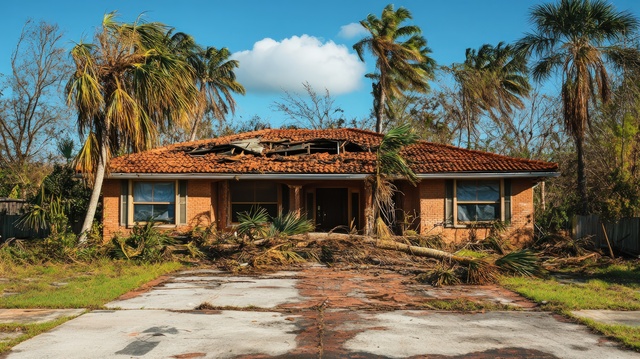
 Three weeks after a Gulf storm rolls through Port Charlotte, a brown stain spreads across your living room ceiling. You call your insurance company. The adjuster asks when the damage started, and you don’t have an answer. You don’t have photos of your roof’s condition before the storm, so now it’s your word against the adjuster’s interpretation of what’s old and what’s new.
PRG Roofing & Construction Inc., serving Port Charlotte from our Fort Myers location, built our inspection process around one principle: if it isn’t documented, it didn’t happen. That’s not a slogan. That’s how insurance claims work in Florida, and it’s why we photograph every finding during every inspection we perform.
What Happens When Evidence Doesn’t Exist
An insurance adjuster uses estimating software called Xactimate to process your claim, and that software ties damage to specific zones on your roof. When the adjuster arrives and sees a ceiling stain, they need to determine whether the roof damage above it is storm-related or pre-existing. Without dated photographs of your roof’s condition before the storm, you can’t prove the timeline. The adjuster makes their best judgment, and that judgment doesn’t always land in your favor. A set of inspection photos taken six months earlier changes that conversation entirely because the evidence speaks for itself.
Where Most Inspections Fall Short
A standard roof inspection gives you a verbal summary or a one-page checklist with boxes marked “good,” “fair,” or “poor.” That document tells you almost nothing about where a problem sits on your roof, what it looks like up close, or how it connects to the leak path that ends at your ceiling. PRG’s inspection produces something you can hold, reference, and hand to an adjuster or a contractor for a second opinion. Every photograph is tied to a location on your roof so there’s no confusion about which pipe boot, which valley, or which wall transition we’re flagging.
How We Inspect A Port Charlotte Roof
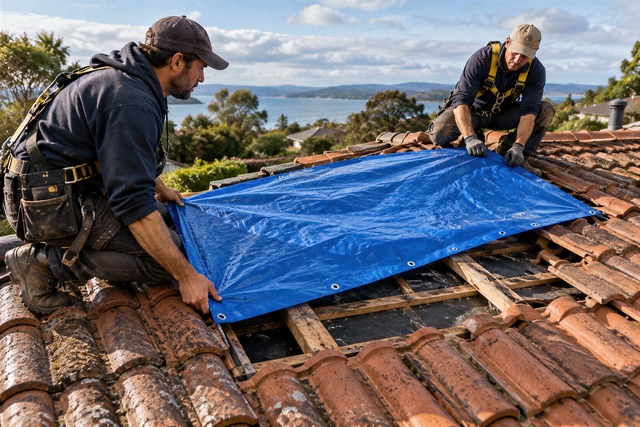
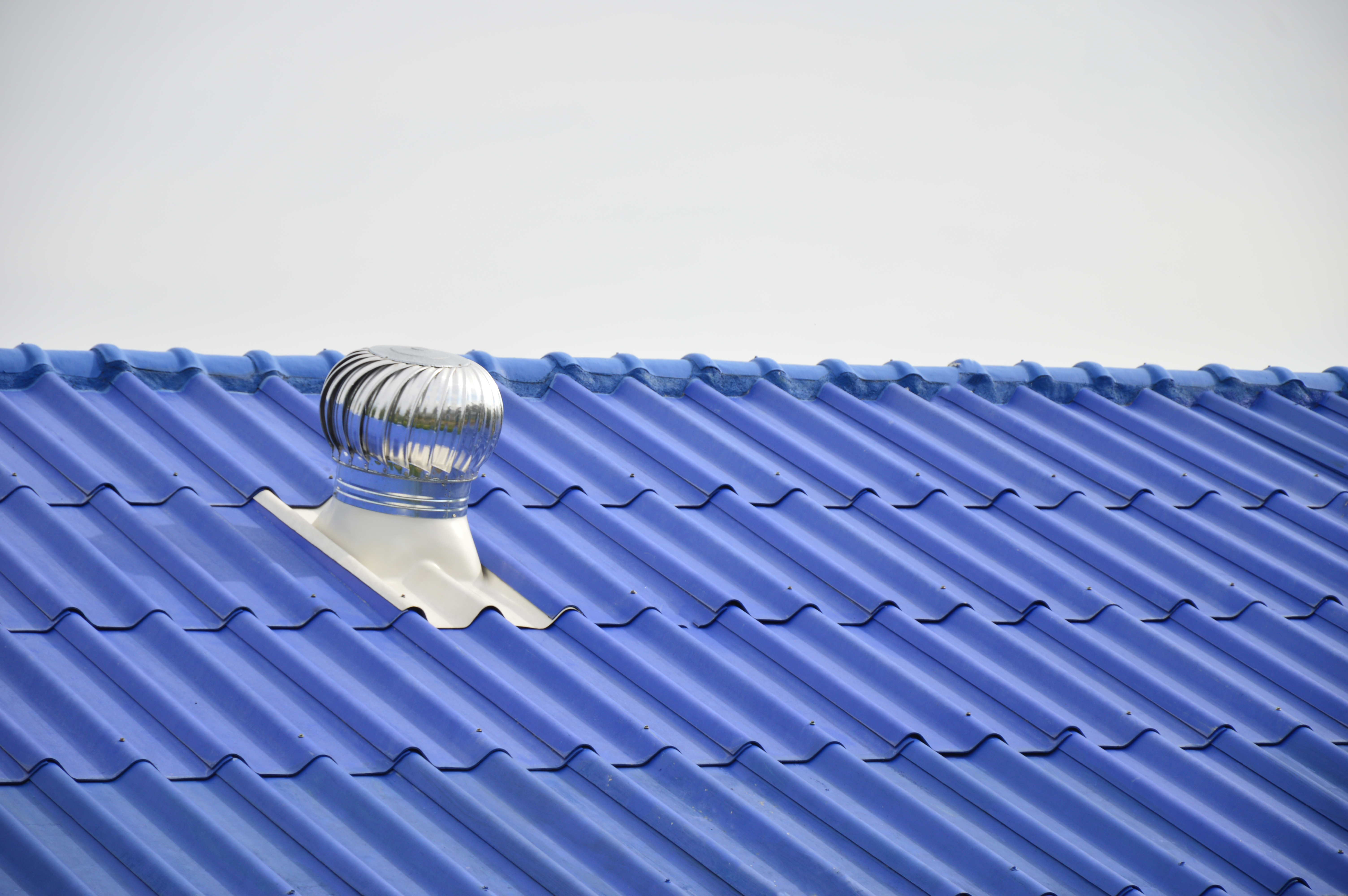
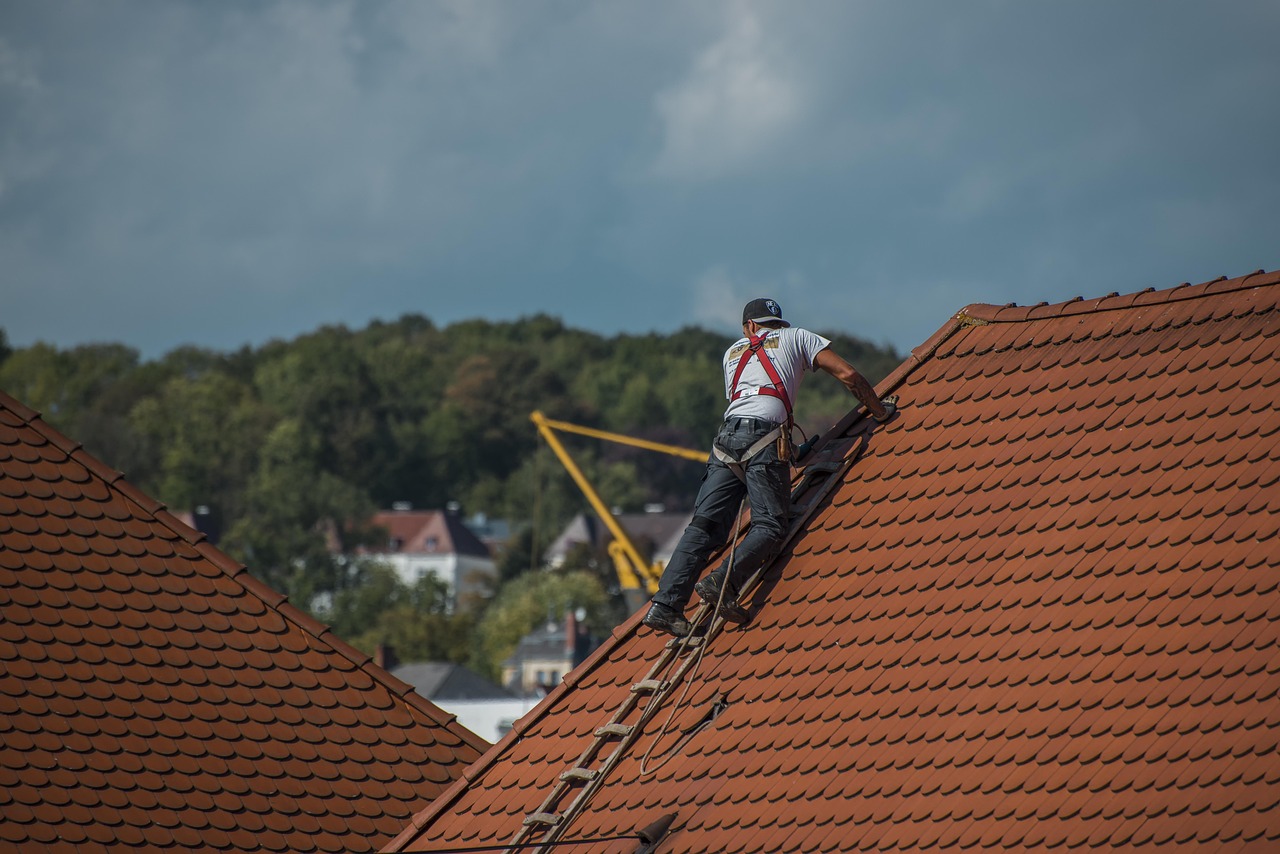
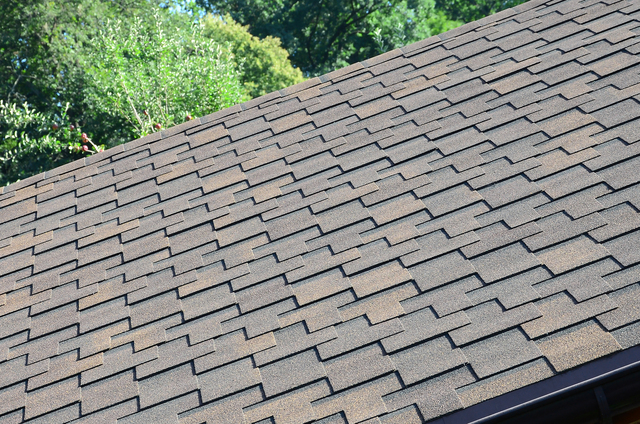
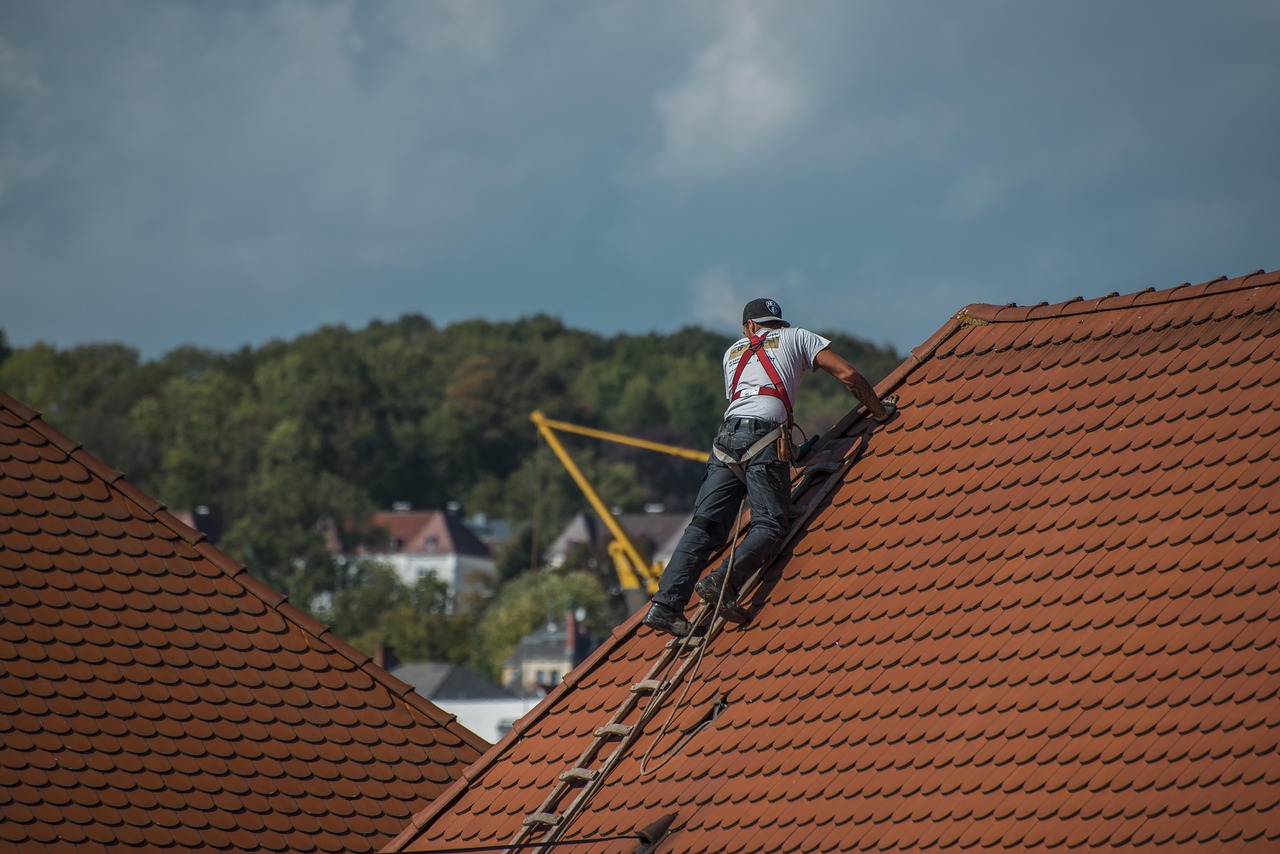
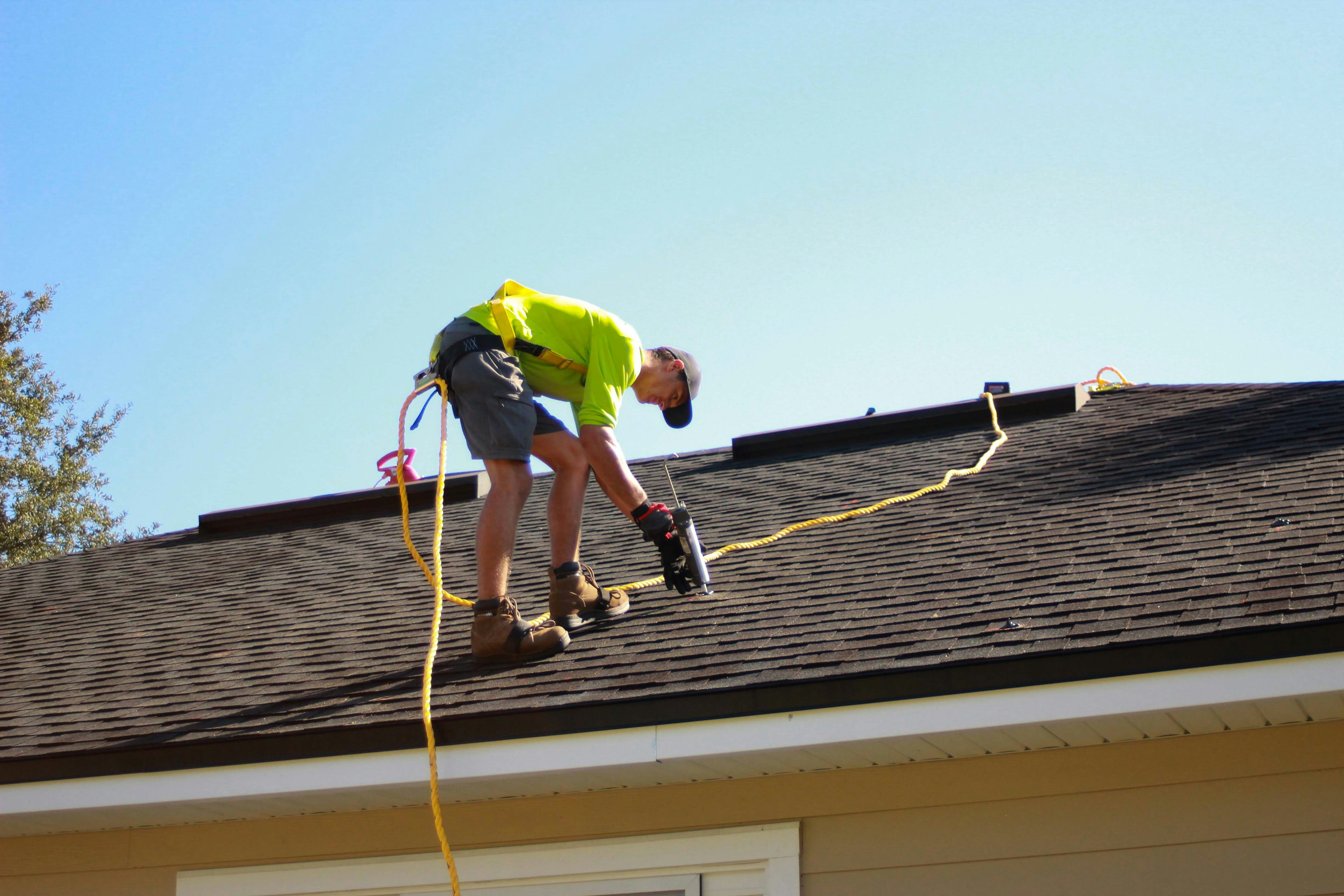
Our crew works from the ridge down to the gutterline in a fixed sequence so nothing gets skipped. At the ridge, we check cap adhesion and vent integrity. Across the field, we look for granule erosion patterns that indicate UV breakdown, lifted shingle tabs where adhesive has released, and nail pops where fasteners have backed out of the decking over time. At each penetration, including pipe boots, exhaust vents, and skylights, we inspect flashing overlap and sealant condition because these are the spots where water enters first during a wind event.
The Reading Your Adjuster Can’t Argue With
At any area that looks suspect, we pull out a pin-type moisture meter and test the decking underneath. Wood holding more than 18% moisture content is saturated, and that reading tells us the decking has been absorbing water long enough to compromise its structural integrity. A moisture reading is a number, not an opinion, and adjusters respond to numbers differently than they respond to descriptions. That 18% threshold is the line where PRG recommends decking replacement because wet wood won’t hold fasteners and it breeds mold between the layers.
The Transition Nobody Else Checks
Most inspectors skip the flashing where your roof meets a wall because siding covers the joint. PRG checks these transitions on every inspection because a failed kick-out flashing at the base of a wall-to-roof junction lets water enter the wall cavity and travel downward through the framing. You won’t see a stain for months while the sheathing behind the siding absorbs moisture and softens. By the time the evidence reaches your ceiling, the hidden damage has been spreading for an entire season. We photograph wall transitions from multiple angles so the condition is captured even where it’s not visible from the ground.
Your Roof Has A Story, And You Need It On Record
If a storm hits Port Charlotte this season, the homes with documented roof conditions will have cleaner claims and faster resolutions. Call PRG Roofing & Construction Inc. at (239) 237-2906 to schedule an inspection that puts every finding on camera, so the next time an adjuster asks a question, you’ve already got the answer in your hand.