From Hidden Rot to Interlocking Defense: Navigating the Recovery After Hurricane Ian on Tropical Ct.
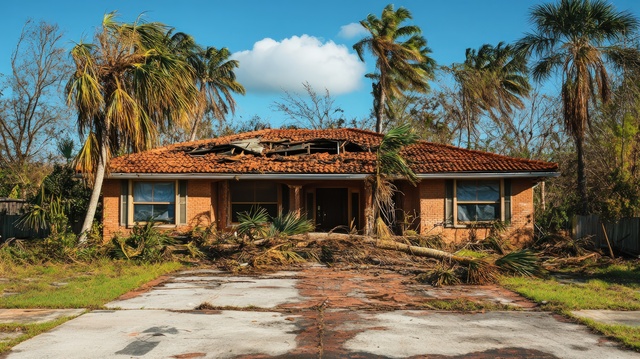
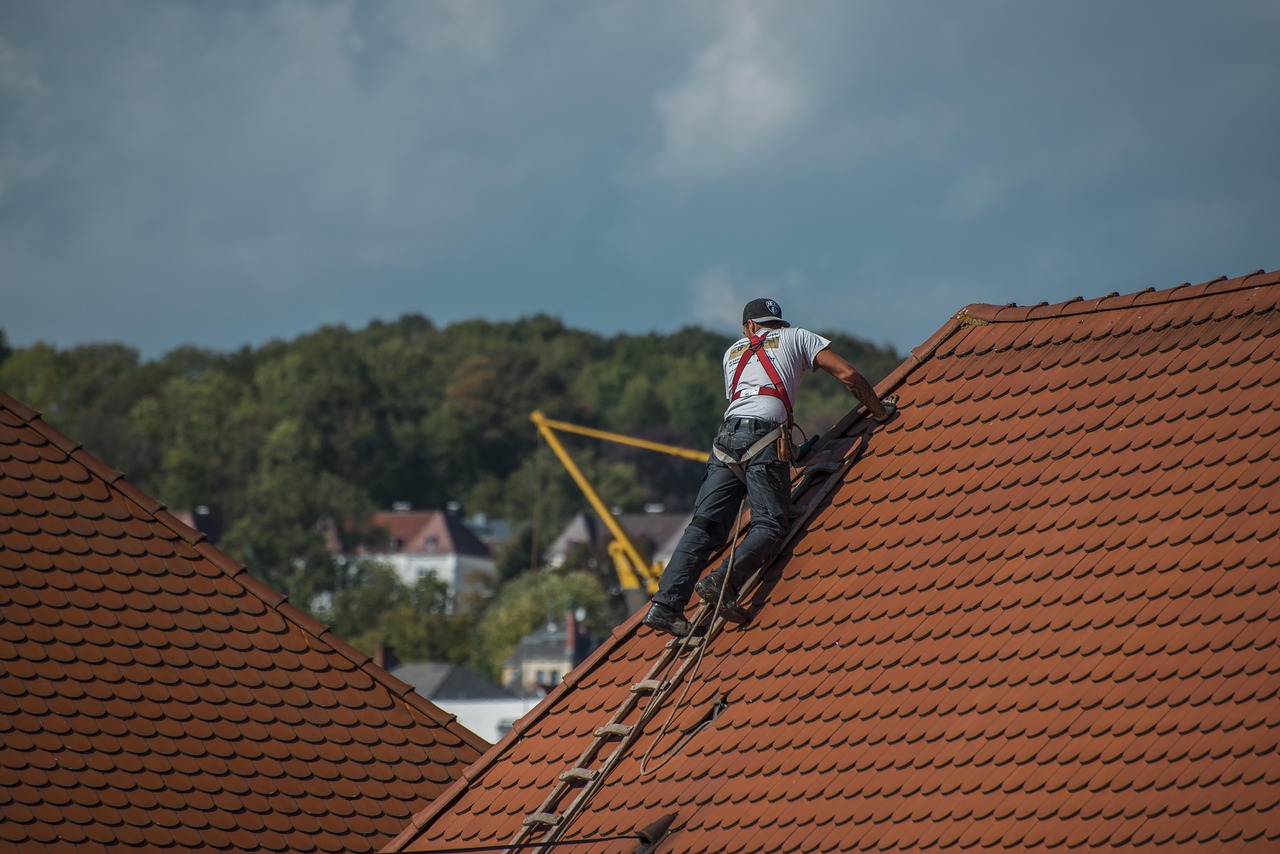
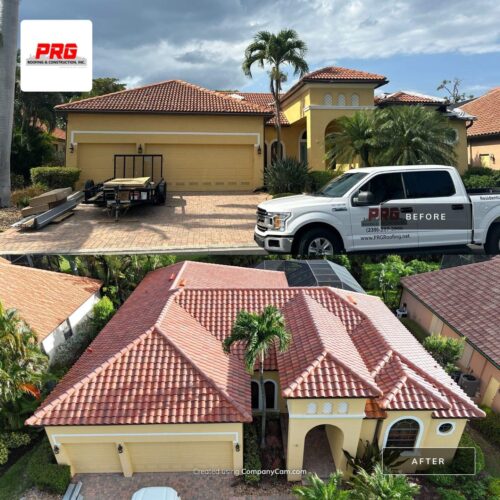
The true test of a roofing system isn’t how it looks from the curb; it’s how it manages the technical and environmental challenges that are unique to the Southwest Florida landscape. Following events like Hurricane Ian, it becomes painfully clear that many roofs which “looked fine” were functionally compromised. PRG Roofing & Construction (License #CCC1331196) recently completed a comprehensive concrete-tile-to-concrete-tile replacement on a premium Fort Myers mansion (Image 1) that serves as a masterclass in thorough, code-compliant restoration.
This stilt-house property on Tropical Ct. required more than just an aesthetic upgrade. It demanded a structural intervention. The project took approximately two weeks to complete, a timeline that reflects PRG’s commitment to addressing the crucial hidden problems that cheap roof patches often overlook.
 The Problem: Surface Appearances and Hidden Rot
The process began with the forensic assessment of this substantial yellow stucco estate. As seen in the upper half of Image 1, from a distance, the tile roof looks mostly intact. While the PRG service truck is on-site and materials are loaded, a casual observer might wonder why a full replacement is necessary.
A hurricanechecklist that begins and ends with a glance from the ground is worthless. The high-velocity winds of Hurricane Ian did not attack the middle of the field; they pried at the weak points—the edges, the valleys, and the flashing interfaces. The damage was structural and cumulative. The existing fasteners and sealants, constantly tested by the Florida sun and salt-air, had failed, creating subtle entry points for Wind-Driven Rain (WDR). This WDR doesn’t always lead to a drip in the living room; it slowly delaminates and saturates the crucial structural deck beneath.
This is the hidden crisis we address on every forensic restoration job.
 Part 1: The forensic Discovery: Unveiling the Rot
We do not believe in guesses. A standard visual inspection misses the disease and only patches the symptom. Our crews performed a “Tear-Off” to the original plywood deck, and this is where we found the critical truth.
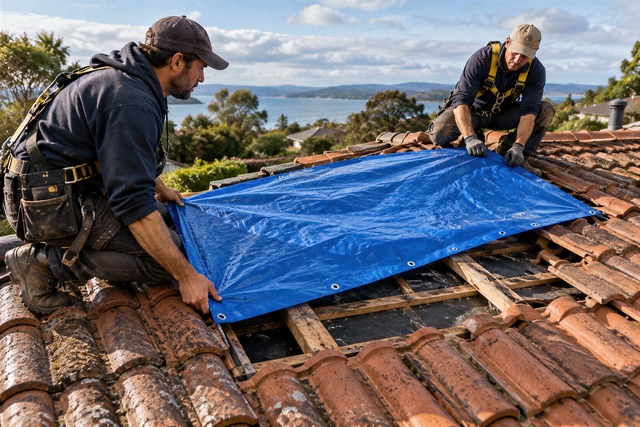
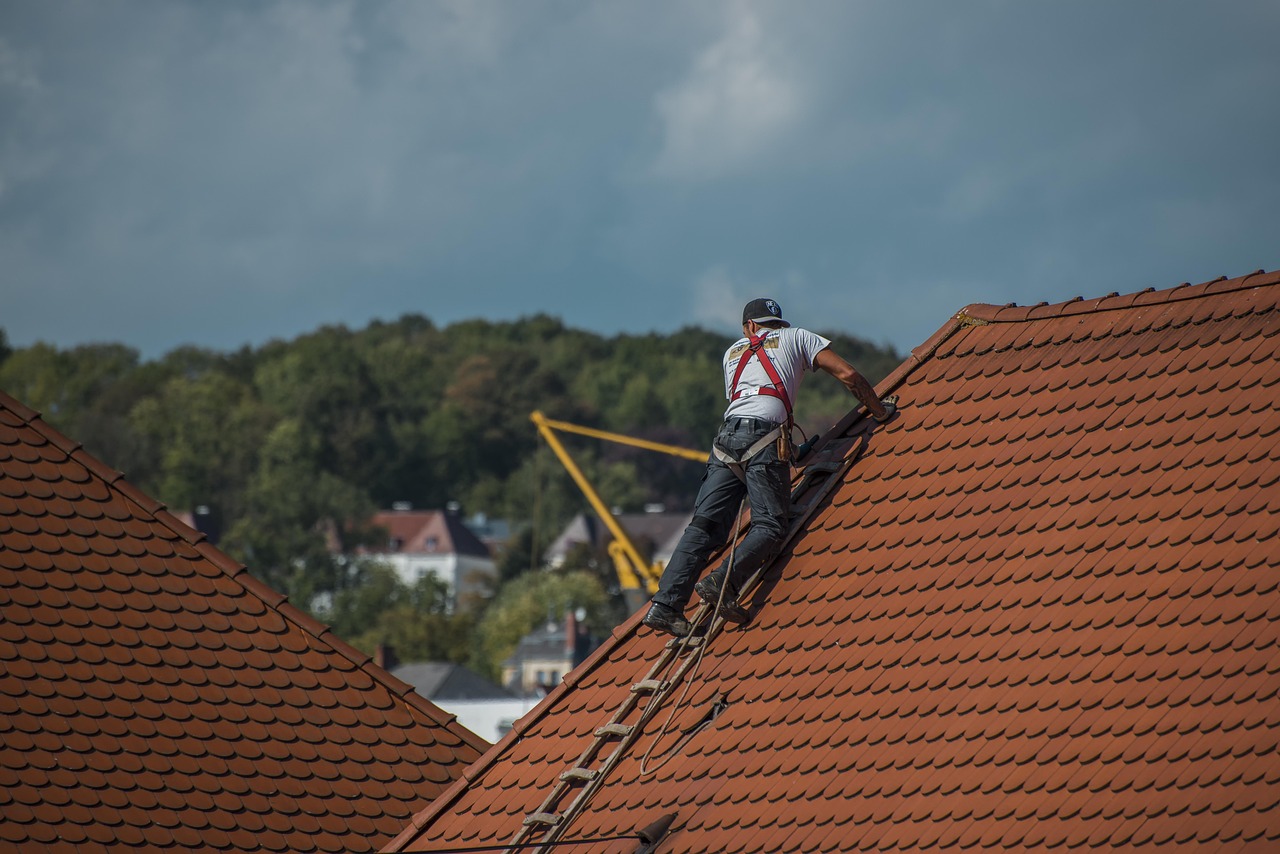
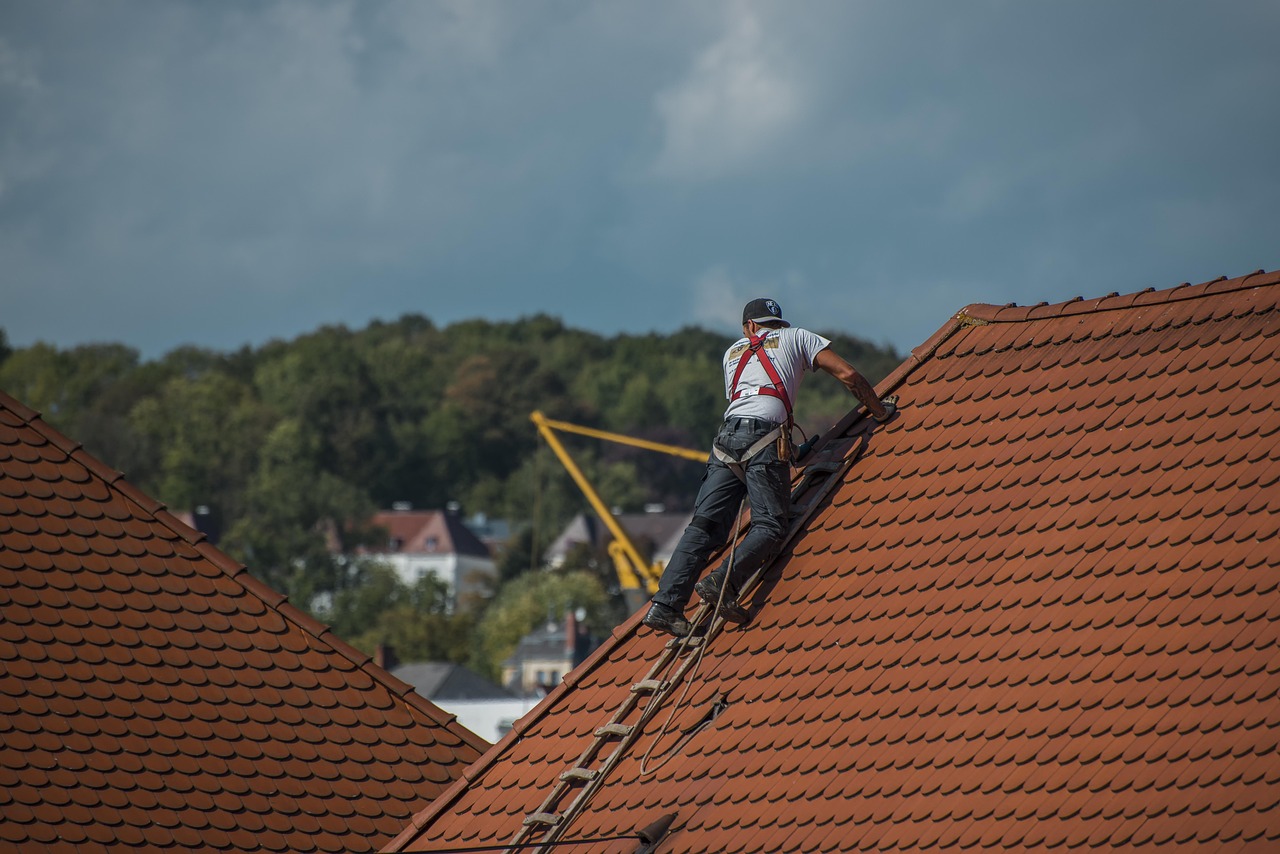
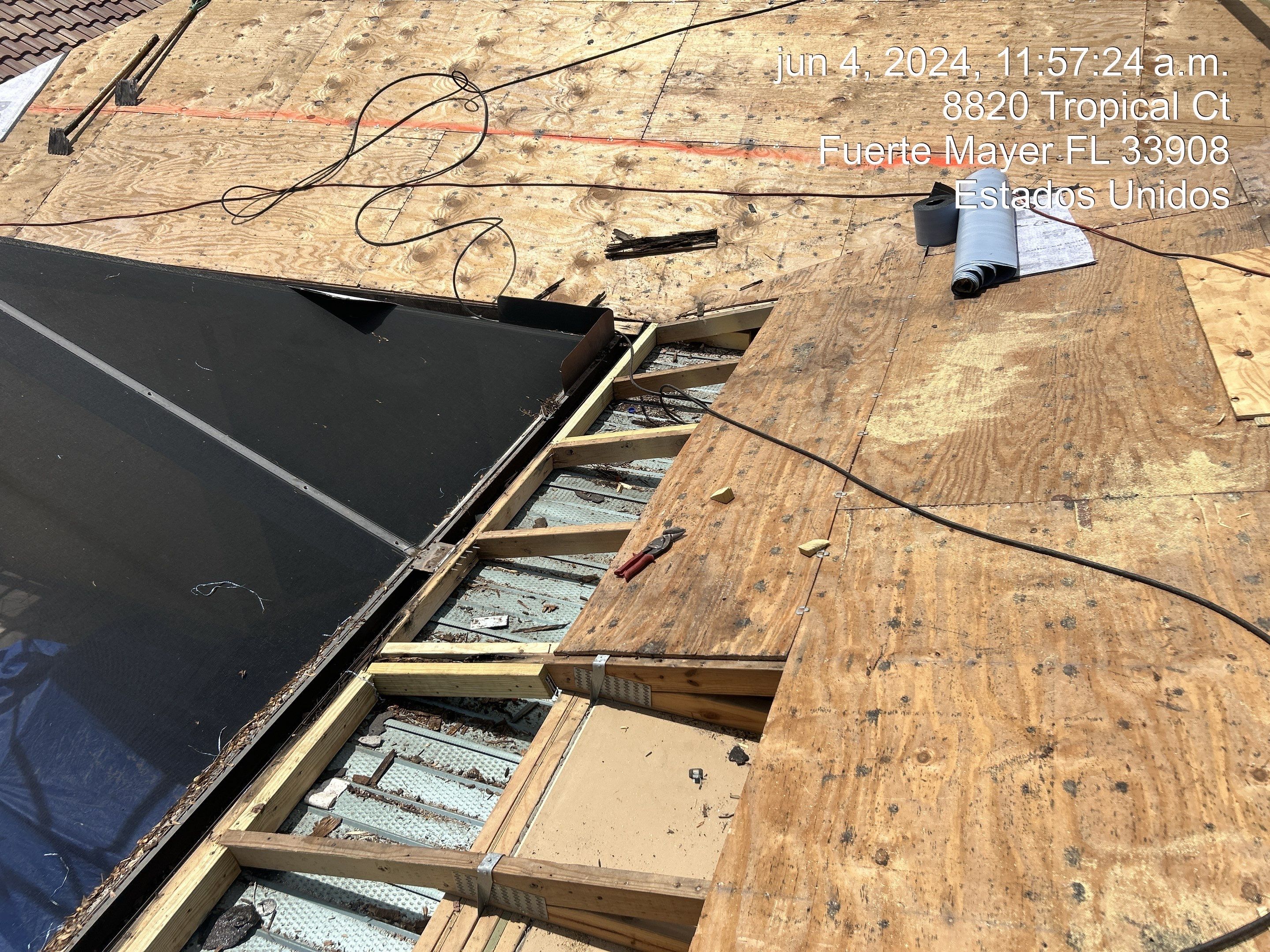
Reference Image 2 immediately captures the precise technical problem mentioned in the client’s brief: “A lot of rotten wood.” This close-up view demonstrates that the most catastrophic damage isn’t the missing tile, but the structural failure of the plywood decking.
The image shows significant decay (OSB board delamination and saturation) specifically at the vulnerable interface with the neighboring pool screened enclosure. This rot wasn’t caused by a new leak; it was caused by years of minor moisture intrusion through failed flashing and UV-degraded underlayment, culminating in severe storm saturation. A lesser contractor would have just “skinned” over this. We did not. Our crews performed extensive substrate evaluation, moisture mapping, and structural substrate replacement before any new material was installed.
This image documents the critical moment our leadership team verified the job scope required significant decking reinforcement. We always replace plywood that FLEXES under pressure or shows moisture readings above roughly 18%.
 Part 2: The Critical Solution: Interlocking Defense and Secondary Water Resistance (SWR)
Once the rotten wood was replaced, we began the installation of the true defense layers. A tile roof in 2026 is an engineered system, not just decorative heavy squares.
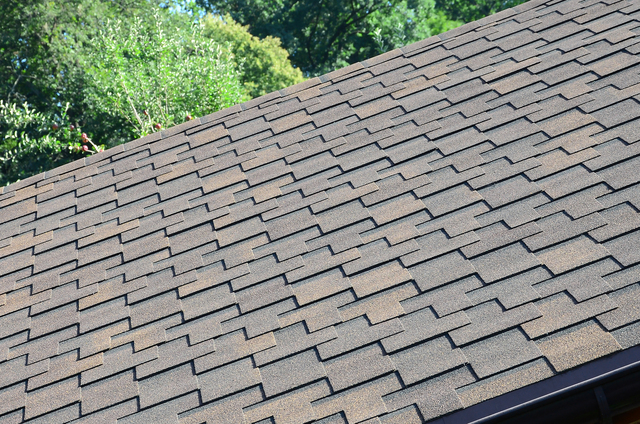
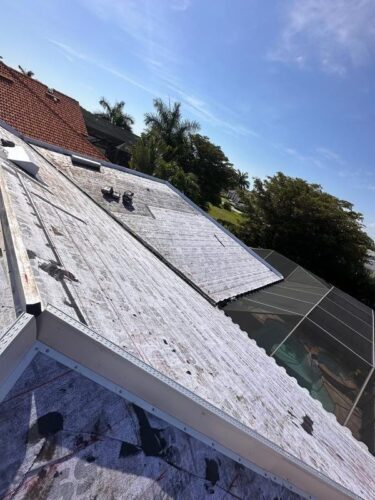
In Image 3, we see the high level of detail applied by PRG Roofing. The core components visible are:
-
Peel & Stick (Self-Adhered) Underlayment: This isn’t just paper. We exclusively use a “self-adhered” high-temperature underlayment, seen here in a monolithic white layer. This forms a true Secondary Water Barrier (SWR). As Randy (PRG owner with 40+ years experience) explains, “Even if a tile cracks during a future storm, this SWR layer keeps the decking bone dry. It’s the ultimate redundancy for insurance Wind Mitigation credits.”
-
Code-Compliant Edge Flashing: Note the clean, new white edge flashing that acts as a reinforced barrier against “Edge-Lift” failure—the #1 cause of post-storm damage. Every fastener head we used was sealed with high-performance polyurethane sealant.
Summary: A Generational Solution for a Hurricane-Active Zone
Over approximately two weeks, the PRG crews executed a precision installation on the mansion. The aerial drone view in Image 1 (After) displays the final, interlocking defense: the vibrant, new concrete tile roof.
By utilizing GAF and Owens Corning architectural concrete tiles, we provided a like-for-like aesthetic upgrade that masks the significant engineering improvements beneath the surface. This stilt home is now structurally fortified with multi-layer redundancy and new flashing, qualifying the homeowner for maximum insurance premium discounts.
Living in a coastal environment like Fort Myers means your roof has more enemies than most. We’ve seen roofs we installed in 2004 come through multiple major hurricanes without damage, because the details were right from day one and maintained properly over time. Don’t wait for the next storm forecast to wonder about your roof’s condition. contact PRG Roofing & Construction for a free, honest, and documented roof assessment. We’ve got you covered.