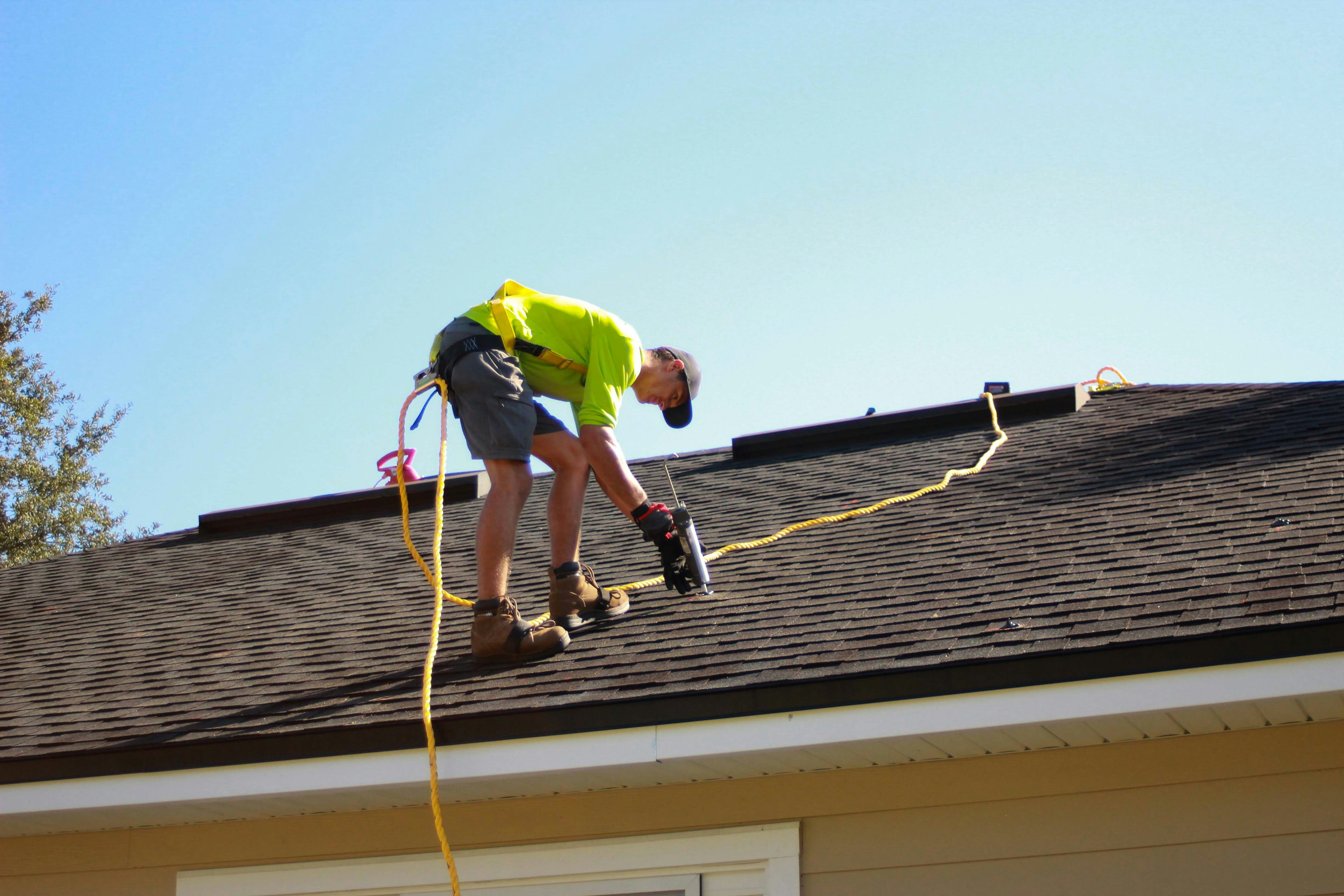
 Pulling a reroofing permit in Fort Myers triggers a chain of building code requirements that most contractors gloss over during the estimate. Florida Statute 553.844 mandates specific wind mitigation upgrades on every residential reroofing project, and these aren't optional add-ons or premium features you can decline. They're written into the permit itself. PRG Roofing & Construction Inc. walks through each of these mandates with you before any material gets ordered, because the code requirements shape the entire scope of work from the deck up.
Think of your roof as a machine with interlocking systems. The shingles or metal panels are the visible surface, the part you see from the driveway. Underneath that surface sits a networkof connections, barriers, and fastener patterns that determine whether your roof holds together or comes apart when wind loads hit during a Fort Myers afternoon thunderstorm. The Florida Building Code treats all of those components as a single assembly, and a reroofing permit activates upgrade requirements across the entire system.
What the Permit Actually Requires
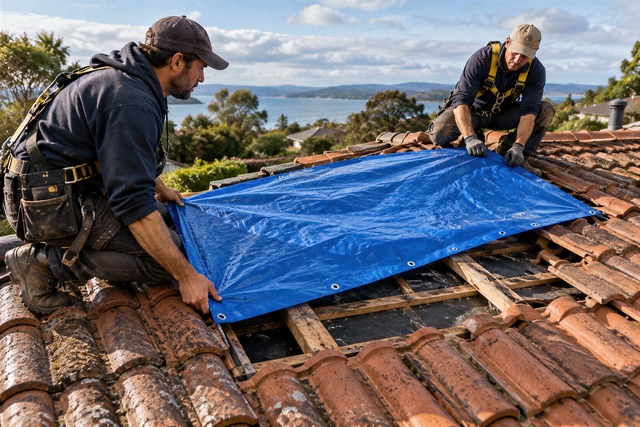
Florida Statute 553.844 spells out four categories of wind mitigation work during reroofing. Your contractor must strengthen roof-decking attachments and fasteners to current code standards. The installation requires a secondary water barrier on the deck itself, which means a self-adhering membrane beneath your shingles that keeps rain water out even if the surface layer lifts during a storm. Roof-to-wall connections need evaluation for possible upgrade with hurricane straps or clips connecting the roof structure to your walls. The code caps these retrofit costs at 15% of the total reroofing expense, so the law limits the financial burden while still requiring the structural upgrade.
Where Insurance and Code Overlap
Here's where it gets interesting for your wallet. Florida Statute 627.7011 allows insurers to non-renew policies on roofs 15 years and older unless an authorized inspector certifies five or more years of useful life remaining. When you reroof to current code with all the 553.844 upgrades completed and documented, that fresh installation resets your roof's age clock with your insurer. A completed wind mitigation inspection after reroofing can also qualify you for insurance premium reductions, because insurers reward the specific features the code now requires. We photograph and document every upgrade so you have the evidence your insurer needs.
The Gulf Factor on Underlayment and Seal Strips
Fort Myers humidity does something to roofing materials that manufacturer ratings don't always account for. Those lab-tested lifespan numbers come from controlled environments, and controlled environments don't include our Southwest Florida 90% humidity pushing moisture into the roof deck for six months straight. Underlayment absorbs that deck moisture and begins breaking down before you'll ever notice a ceiling stain inside your home. Salt air compounds the problem on seal strips, where crystallized salt weakens the adhesive bond holding each shingle tab flat against the one below it. A strip that looks sealed from the ground can lift under the first strong gust of the season.
How a Diagnostic Approach Changes the Outcome
We don't start a reroofing project in Fort Myers by measuring square footage and ordering materials. Our crew tests airflow at the soffit and ridge to determine whether your ventilation meets current code intake requirements. We take fascia moisture readings at rafter tails using pin meters, because 18% moisture content means that fascia board needs replacement before any bracket gets mounted to it. Fastener spacing gets verified against your home's specific wind zone designation, and every stage of the work produces time-stamped photo documentation. You end up with a paper trail that satisfies the building inspector, your insurance company, and the manufacturer warranty requirements all at once.
The Code Requirement You Can't Afford to Skip
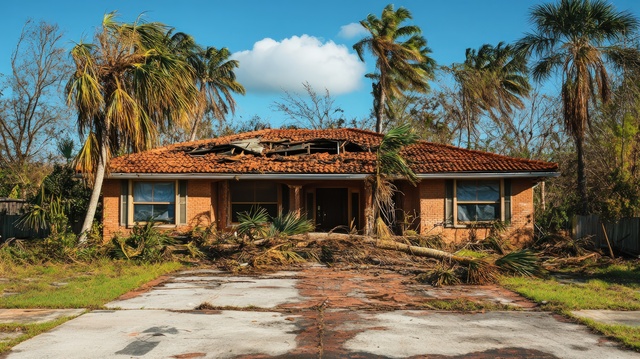
Skipping or shortcutting the 553.844 requirements doesn't just risk a failed inspection. It leaves your home structurally vulnerable during the exact conditions the code was designed to address. A roof installed without proper deck-to-wall connections in Fort Myers is a roof waiting for the right storm to prove what's missing. We verify every connection, photograph every barrier installation, and test every fastener pattern because the code exists for a reason, and that reason arrives every June through November with sustained winds that find every weakness.
Your Roof's Next Permit Starts Here
If your Fort Myers roof is approaching 15 years or showing signs that a reroofing project is on the horizon, the building code requirements will shape every decision from material selection to crew scheduling. Call PRG Roofing & Construction Inc. at (239) 237-2906 for a full code compliance assessment that maps exactly what the permit will require, what your insurance situation demands, and what the Gulf climate is doing to your current system right now.
Pulling a reroofing permit in Fort Myers triggers a chain of building code requirements that most contractors gloss over during the estimate. Florida Statute 553.844 mandates specific wind mitigation upgrades on every residential reroofing project, and these aren't optional add-ons or premium features you can decline. They're written into the permit itself. PRG Roofing & Construction Inc. walks through each of these mandates with you before any material gets ordered, because the code requirements shape the entire scope of work from the deck up.
Think of your roof as a machine with interlocking systems. The shingles or metal panels are the visible surface, the part you see from the driveway. Underneath that surface sits a networkof connections, barriers, and fastener patterns that determine whether your roof holds together or comes apart when wind loads hit during a Fort Myers afternoon thunderstorm. The Florida Building Code treats all of those components as a single assembly, and a reroofing permit activates upgrade requirements across the entire system.
What the Permit Actually Requires
Florida Statute 553.844 spells out four categories of wind mitigation work during reroofing. Your contractor must strengthen roof-decking attachments and fasteners to current code standards. The installation requires a secondary water barrier on the deck itself, which means a self-adhering membrane beneath your shingles that keeps rain water out even if the surface layer lifts during a storm. Roof-to-wall connections need evaluation for possible upgrade with hurricane straps or clips connecting the roof structure to your walls. The code caps these retrofit costs at 15% of the total reroofing expense, so the law limits the financial burden while still requiring the structural upgrade.
Where Insurance and Code Overlap
Here's where it gets interesting for your wallet. Florida Statute 627.7011 allows insurers to non-renew policies on roofs 15 years and older unless an authorized inspector certifies five or more years of useful life remaining. When you reroof to current code with all the 553.844 upgrades completed and documented, that fresh installation resets your roof's age clock with your insurer. A completed wind mitigation inspection after reroofing can also qualify you for insurance premium reductions, because insurers reward the specific features the code now requires. We photograph and document every upgrade so you have the evidence your insurer needs.
The Gulf Factor on Underlayment and Seal Strips
Fort Myers humidity does something to roofing materials that manufacturer ratings don't always account for. Those lab-tested lifespan numbers come from controlled environments, and controlled environments don't include our Southwest Florida 90% humidity pushing moisture into the roof deck for six months straight. Underlayment absorbs that deck moisture and begins breaking down before you'll ever notice a ceiling stain inside your home. Salt air compounds the problem on seal strips, where crystallized salt weakens the adhesive bond holding each shingle tab flat against the one below it. A strip that looks sealed from the ground can lift under the first strong gust of the season.
How a Diagnostic Approach Changes the Outcome
We don't start a reroofing project in Fort Myers by measuring square footage and ordering materials. Our crew tests airflow at the soffit and ridge to determine whether your ventilation meets current code intake requirements. We take fascia moisture readings at rafter tails using pin meters, because 18% moisture content means that fascia board needs replacement before any bracket gets mounted to it. Fastener spacing gets verified against your home's specific wind zone designation, and every stage of the work produces time-stamped photo documentation. You end up with a paper trail that satisfies the building inspector, your insurance company, and the manufacturer warranty requirements all at once.
The Code Requirement You Can't Afford to Skip
Skipping or shortcutting the 553.844 requirements doesn't just risk a failed inspection. It leaves your home structurally vulnerable during the exact conditions the code was designed to address. A roof installed without proper deck-to-wall connections in Fort Myers is a roof waiting for the right storm to prove what's missing. We verify every connection, photograph every barrier installation, and test every fastener pattern because the code exists for a reason, and that reason arrives every June through November with sustained winds that find every weakness.
Your Roof's Next Permit Starts Here
If your Fort Myers roof is approaching 15 years or showing signs that a reroofing project is on the horizon, the building code requirements will shape every decision from material selection to crew scheduling. Call PRG Roofing & Construction Inc. at (239) 237-2906 for a full code compliance assessment that maps exactly what the permit will require, what your insurance situation demands, and what the Gulf climate is doing to your current system right now.
Fort Myers, FL - Florida Building Code 2025 and Residential Roofing Rules
SYNOPSIS: PRG Roofing & Construction serves Fort Myers homeowners with reroofing expertise, meeting Florida Building Code, wind mitigation, and insurance upgrade requirements.
BY: Randy Garand, PRG Roofing & Construction Inc.
Pulling a reroofing permit in Fort Myers triggers a chain of building code requirements that most contractors gloss over during the estimate. Florida Statute 553.844 mandates specific wind mitigation upgrades on every residential reroofing project, and these aren't optional add-ons or premium features you can decline. They're written into the permit itself. PRG Roofing & Construction Inc. walks through each of these mandates with you before any material gets ordered, because the code requirements shape the entire scope of work from the deck up.
Think of your roof as a machine with interlocking systems. The shingles or metal panels are the visible surface, the part you see from the driveway. Underneath that surface sits a networkof connections, barriers, and fastener patterns that determine whether your roof holds together or comes apart when wind loads hit during a Fort Myers afternoon thunderstorm. The Florida Building Code treats all of those components as a single assembly, and a reroofing permit activates upgrade requirements across the entire system.
What the Permit Actually Requires
Florida Statute 553.844 spells out four categories of wind mitigation work during reroofing. Your contractor must strengthen roof-decking attachments and fasteners to current code standards. The installation requires a secondary water barrier on the deck itself, which means a self-adhering membrane beneath your shingles that keeps rain water out even if the surface layer lifts during a storm. Roof-to-wall connections need evaluation for possible upgrade with hurricane straps or clips connecting the roof structure to your walls. The code caps these retrofit costs at 15% of the total reroofing expense, so the law limits the financial burden while still requiring the structural upgrade.
Where Insurance and Code Overlap
Here's where it gets interesting for your wallet. Florida Statute 627.7011 allows insurers to non-renew policies on roofs 15 years and older unless an authorized inspector certifies five or more years of useful life remaining. When you reroof to current code with all the 553.844 upgrades completed and documented, that fresh installation resets your roof's age clock with your insurer. A completed wind mitigation inspection after reroofing can also qualify you for insurance premium reductions, because insurers reward the specific features the code now requires. We photograph and document every upgrade so you have the evidence your insurer needs.
The Gulf Factor on Underlayment and Seal Strips
Fort Myers humidity does something to roofing materials that manufacturer ratings don't always account for. Those lab-tested lifespan numbers come from controlled environments, and controlled environments don't include our Southwest Florida 90% humidity pushing moisture into the roof deck for six months straight. Underlayment absorbs that deck moisture and begins breaking down before you'll ever notice a ceiling stain inside your home. Salt air compounds the problem on seal strips, where crystallized salt weakens the adhesive bond holding each shingle tab flat against the one below it. A strip that looks sealed from the ground can lift under the first strong gust of the season.
How a Diagnostic Approach Changes the Outcome
We don't start a reroofing project in Fort Myers by measuring square footage and ordering materials. Our crew tests airflow at the soffit and ridge to determine whether your ventilation meets current code intake requirements. We take fascia moisture readings at rafter tails using pin meters, because 18% moisture content means that fascia board needs replacement before any bracket gets mounted to it. Fastener spacing gets verified against your home's specific wind zone designation, and every stage of the work produces time-stamped photo documentation. You end up with a paper trail that satisfies the building inspector, your insurance company, and the manufacturer warranty requirements all at once.
The Code Requirement You Can't Afford to Skip
Skipping or shortcutting the 553.844 requirements doesn't just risk a failed inspection. It leaves your home structurally vulnerable during the exact conditions the code was designed to address. A roof installed without proper deck-to-wall connections in Fort Myers is a roof waiting for the right storm to prove what's missing. We verify every connection, photograph every barrier installation, and test every fastener pattern because the code exists for a reason, and that reason arrives every June through November with sustained winds that find every weakness.
Your Roof's Next Permit Starts Here
If your Fort Myers roof is approaching 15 years or showing signs that a reroofing project is on the horizon, the building code requirements will shape every decision from material selection to crew scheduling. Call PRG Roofing & Construction Inc. at (239) 237-2906 for a full code compliance assessment that maps exactly what the permit will require, what your insurance situation demands, and what the Gulf climate is doing to your current system right now.