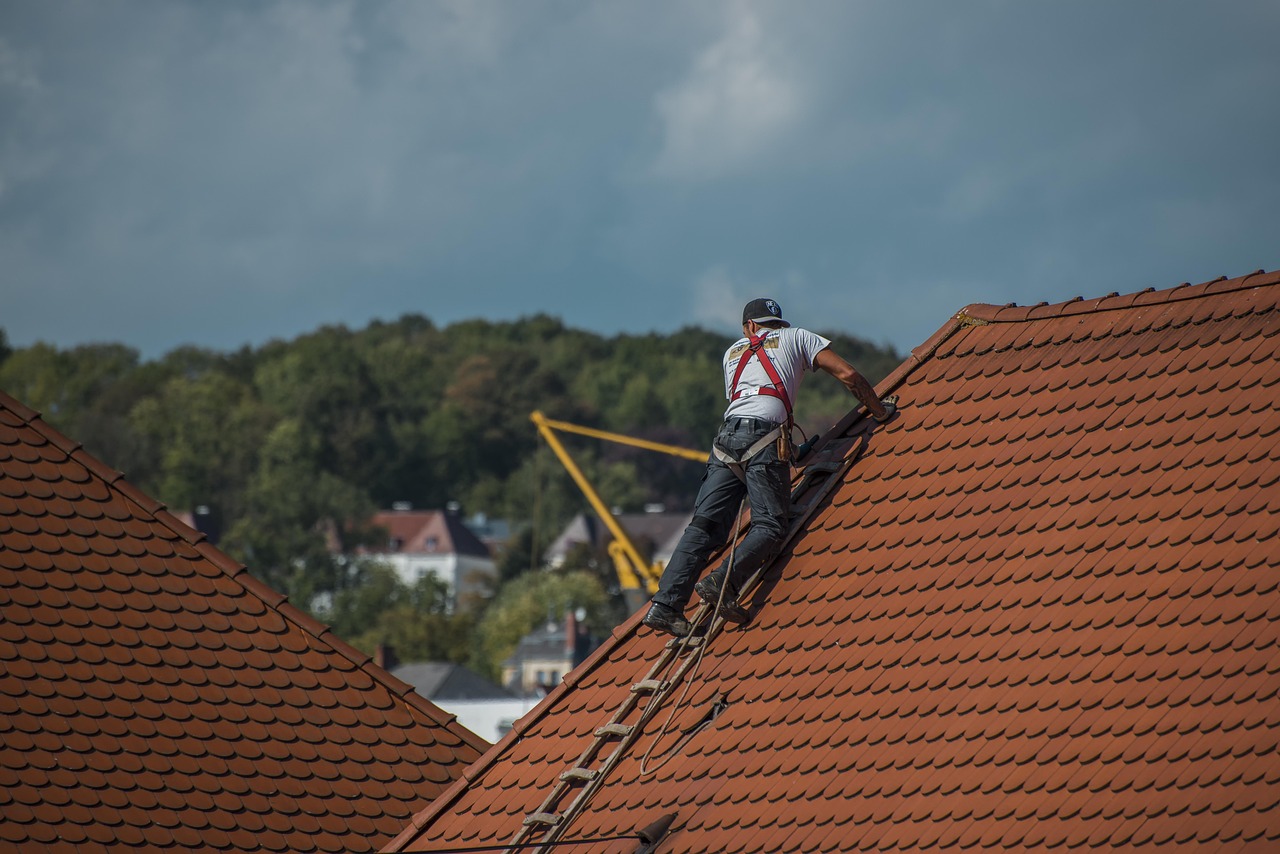
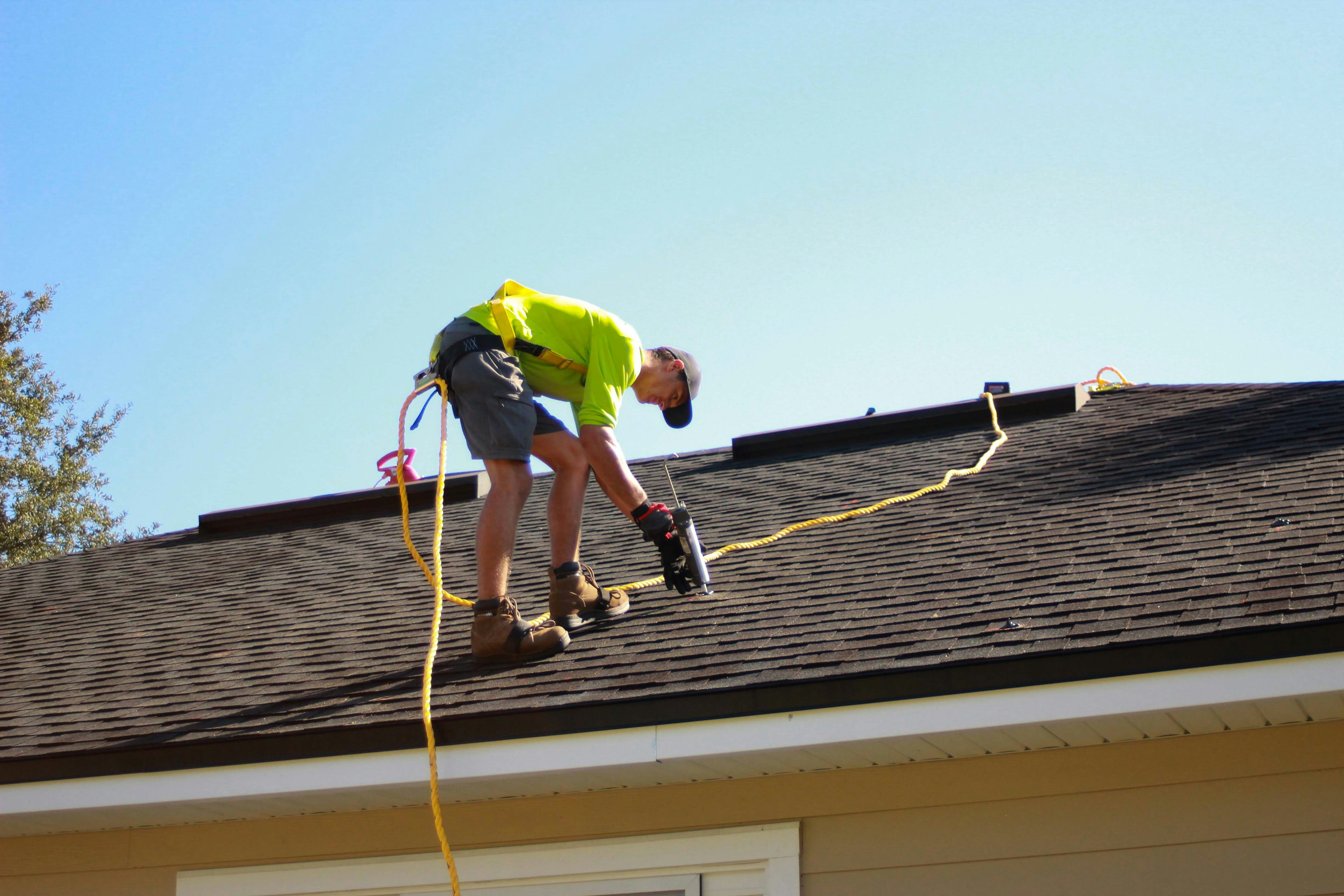
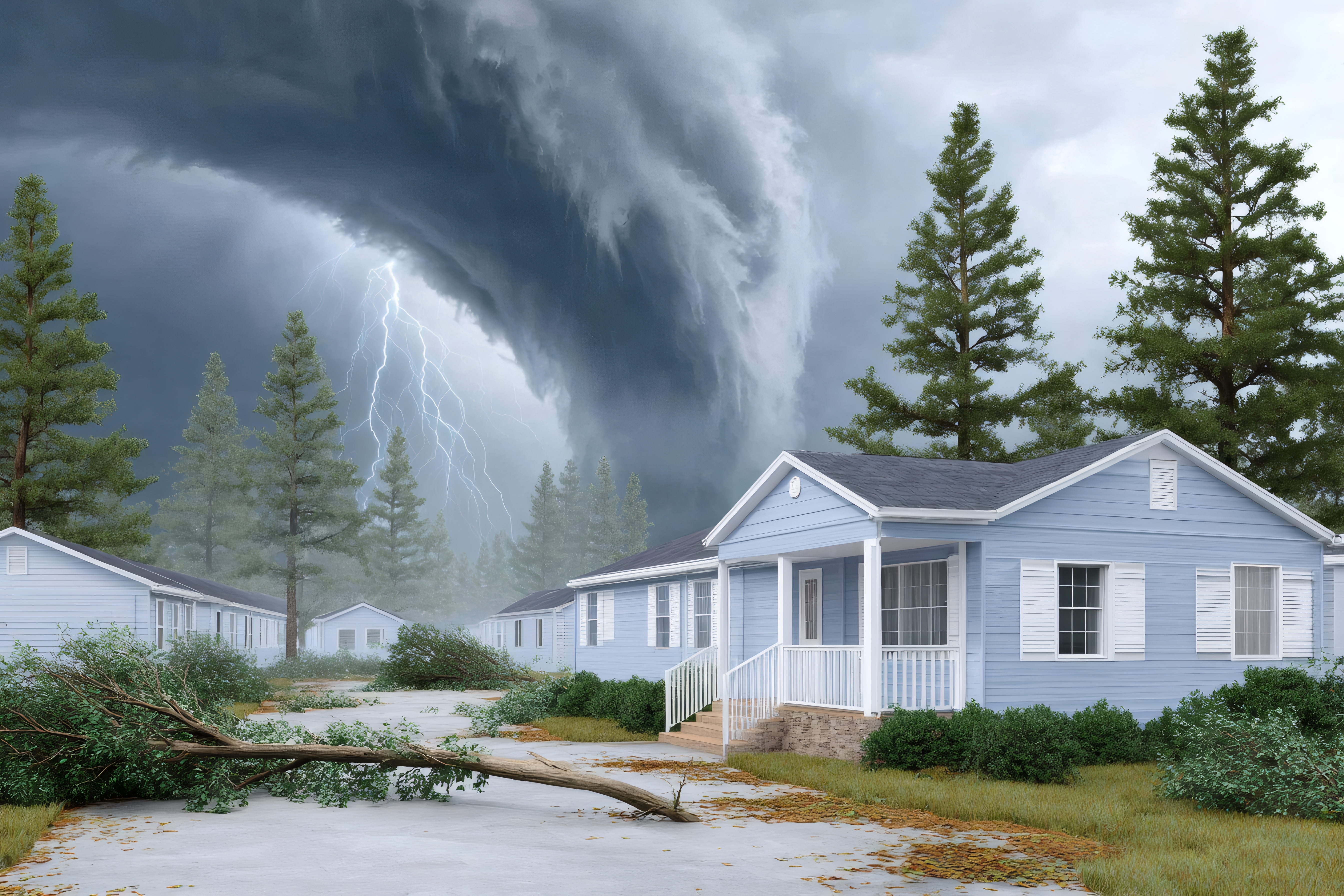
 Hurricane season in Naples runs from June 1 through November 30, but the forces that shorten your roof’s lifespan don’t follow a calendar. Heat, humidity, and wind work against your roofing system every single day, and they don’t take turns. They compound. PRG Roofing & Construction Inc. serves Naples residents who want to understand how these three forces interact, because the damage they cause together is worse than anything one of them could produce alone.
Think of your roof as an engine that never gets to shut off. Every morning, the sun loads thermal stress onto every adhesive bond, seal strip, and fastener point on the surface. By midday, the surface temperature climbs past the threshold where most sealants and adhesive compounds were engineered to perform, and that stress pushes downward into the underlayment and deck beneath it. By early afternoon, the system has been running at peak load for hours with no relief in sight.
What Humidity Does While the Heat Works
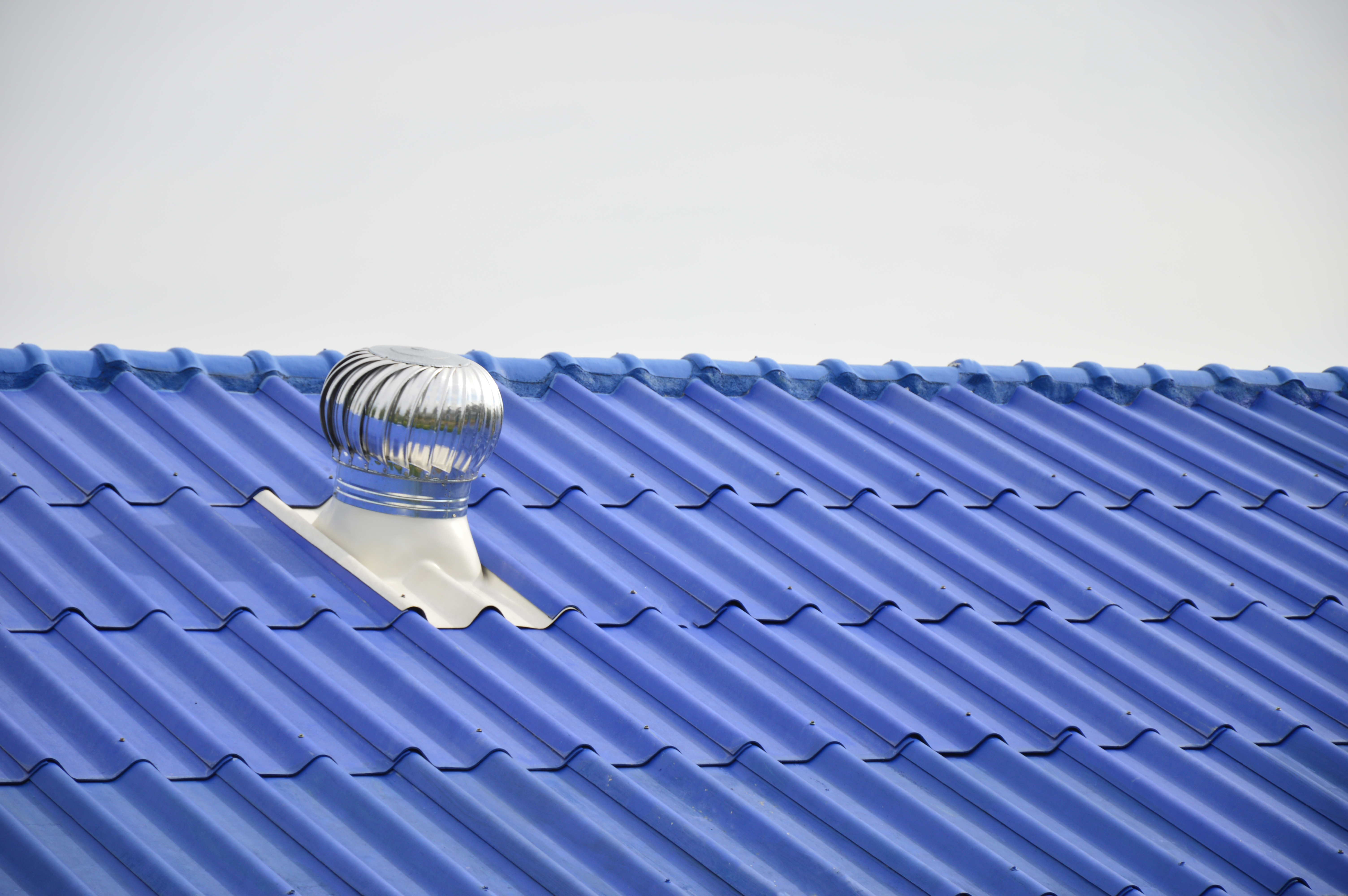
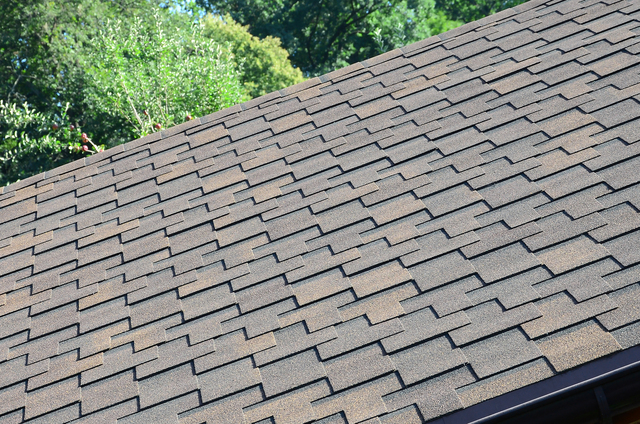
While the sun loads your roof from above, Gulf humidity attacks it from below. If the soffit intake on your home can’t pull fresh air into the attic space and push it out through the ridge vent, that trapped moisture sits against the underside of the deck and bakes there. The shingles above lose granules faster because the substrate beneath them stays damp instead of drying between rain events. Seal strips on asphalt shingles turn brittle when moisture saturates the adhesive layer from underneath, and a brittle seal strip gives up its grip on the first gust that finds it. We test ventilation airflow at the soffit and ridge before recommending any work on a Naples roof, because replacing surface material on a system that can’t breathe is fixing the symptom while the cause keeps running.
The Afternoon Storm Adds Thermal Shock
Naples afternoon thunderstorms arrive like clockwork during the summer months, and they introduce a stress that most roofing conversations leave out. Cool rain water landing on a surface that has absorbed hours of concentrated heat creates a rapid temperature swing across every component at once. That thermal shock flexes joints, works fastener holes slightly wider over time, and accelerates separation at flashing edges where two different materials meet and expand at different rates. After the storm passes, the sun returns and loads the system back up again within the hour.
Where Wind Finds What Heat and Moisture Weakened
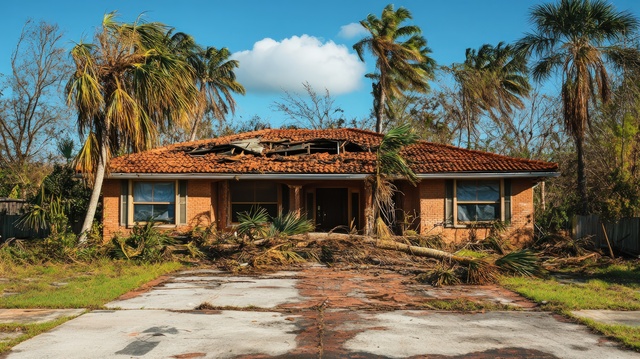
Hurricanes and strong tropical systems don’t create damage on a healthy roof the same way they do on one that’s been heat-stressed and moisture-compromised for years. Wind uplift attacks the edges and perimeter of your roof first, where pressures are highest, and those are the same zones where seal strips tend to fail first and flashings see the most thermal movement. A fastener pattern that held firm five years ago can lose its grip after thousands of thermal cycles widened the penetration holes in the deck. The storm reveals what heat and humidity already broke.
The Weight You Can’t See from the Ground
Mold and algae grow aggressively on shaded, damp roof surfaces in Naples, and they create a problem beyond appearance. That biological growth traps moisture directly against the roofing material and adds load that the structure wasn’t designed to carry long-term. Many residents who moved to Naples from northern states don’t recognize the early stages because these organisms don’t grow on roofs in colder climates.
Before the Next Cycle Finds the Weak Spot
How many storm seasons will your Naples roof absorb before the compounding wear from heat, humidity, and wind reaches the tipping point you can’t patch over? Call PRG Roofing & Construction Inc. at (239) 237-2906 for a diagnostic inspection that measures ventilation airflow, tests seal strip adhesion, checks fastener integrity at the edges, and gives you documented evidence of where your roof stands before the next cycle adds another layer of stress to what’s already there.