 You’ve watched water pool on your flat roof after every Fort Myers afternoon storm. Maybe you’ve had someone out to fix it once or twice already. It keeps coming back. Flat roofs fail in specific places for specific reasons, and once you understand the pattern, you can stop chasing the same problems year after year. Most of what we see comes down to five issues. When weigure out which one you’re dealing with and we’re halfway to solving it.
That Puddle That Won’t Drain
Water sitting 48 hours after rain isn’t a leak yet, but it’s working on becoming one. Standing water accelerates membrane breakdown and adds serious weight to your structure. A quarter inch across 1,000 square feet puts over 1,500 pounds on framing that wasn’t designed for it. Algae and biological growth start eating roofing material from the surface down.
The cause is almost always slope failure. Your roof needs a quarter inch of fall for every 10 feet of run to move water toward drains or scuppers. Settlement creates low spots over time. Crushed insulation sags in spots. Debris piles up and dams water in areas that used to drain fine. We check slopes with laser levels because the problems are invisible to the naked eye, and finding the exact low points means we can fix those sections instead of tearing off a whole system that’s fine everywhere else.
Cracks Running Along the Seams
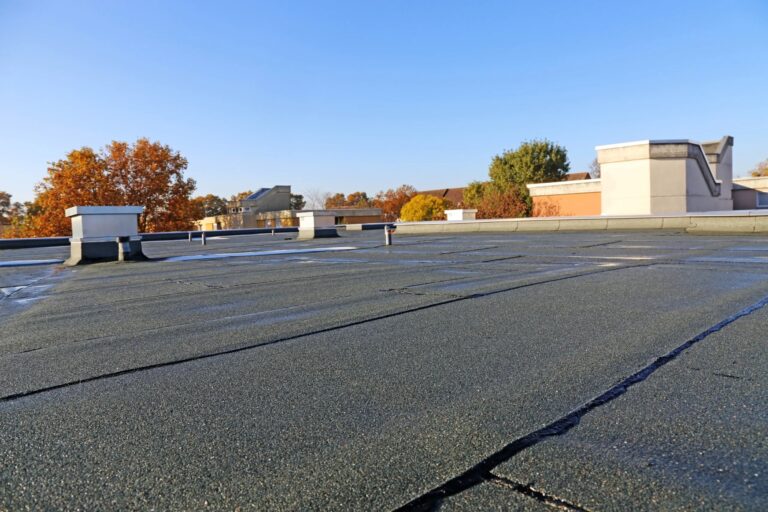
Membrane seams are where flat roofs live or die. The sheets overlap and depend on heat welding or adhesive to create waterproof continuity. Fort Myers temperature swings stress these joints constantly, expanding and contracting the material day after day.
Here’s what goes wrong. Under-welded seams don’t fuse deep enough, so they pull apart at connection points over the years. Over-welded seams get too thin at the joint, stretching until they split. Both look fine from 20 feet away. We probe-test welds to check fusion depth because that’s the only way to know whether a seam will hold or fail in three years. If you’ve had leak repairs that didn’t last, bad seam work is a likely reason.
The Pipe Boot Pulling Away From the Vent
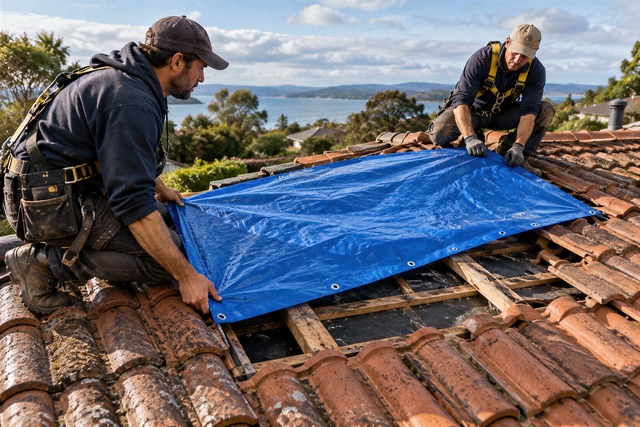
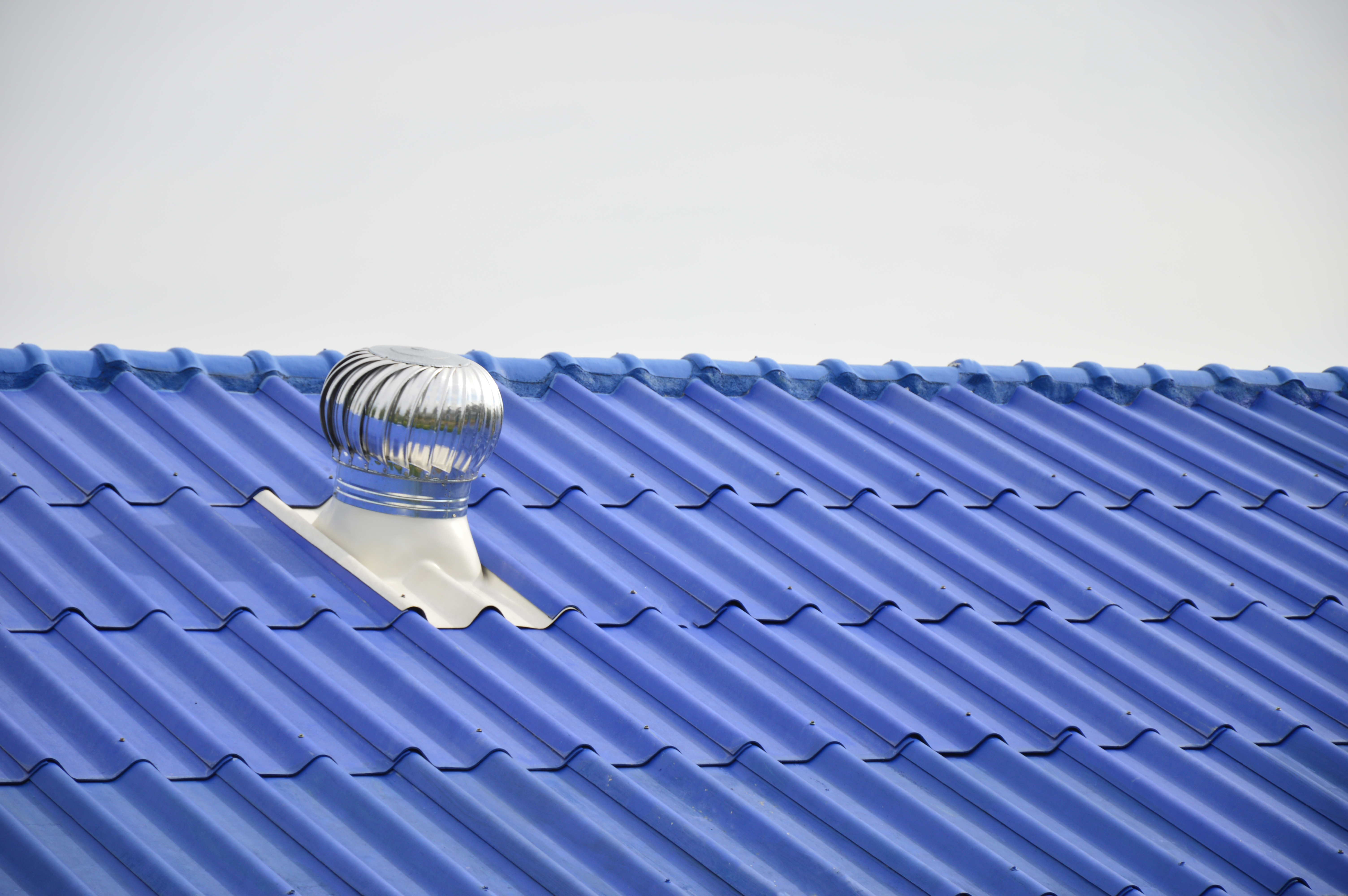
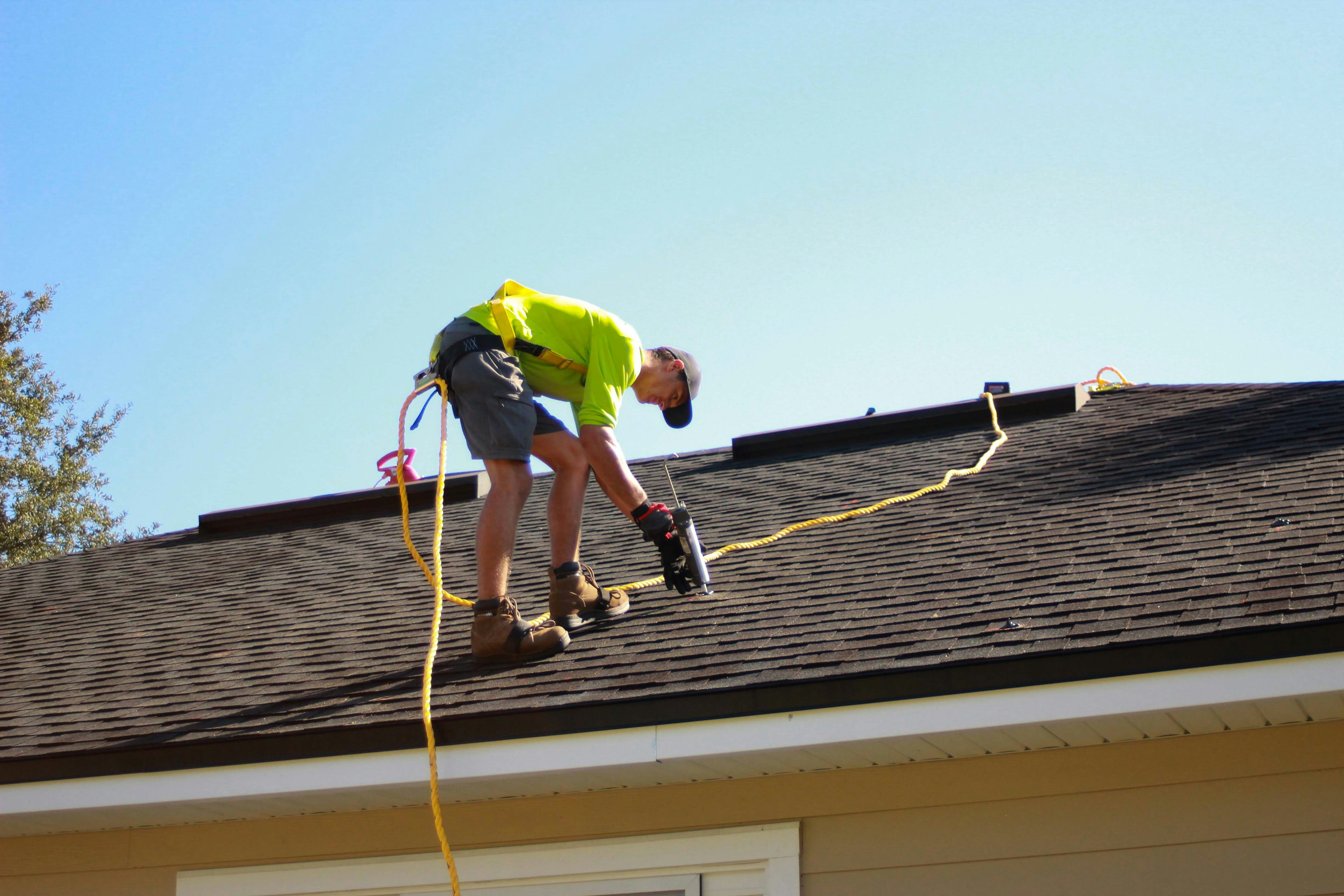
HVAC curbs, plumbing vents, electrical conduits; every penetration interrupts membrane continuity and creates leak potential. Prefab boots are designed for standard dimensions that rarely match what’s actually coming through your roof. The gap between boot and pipe gets filled with sealant that cracks and separates within a few years.
The Membrane Feels Chalky or Brittle
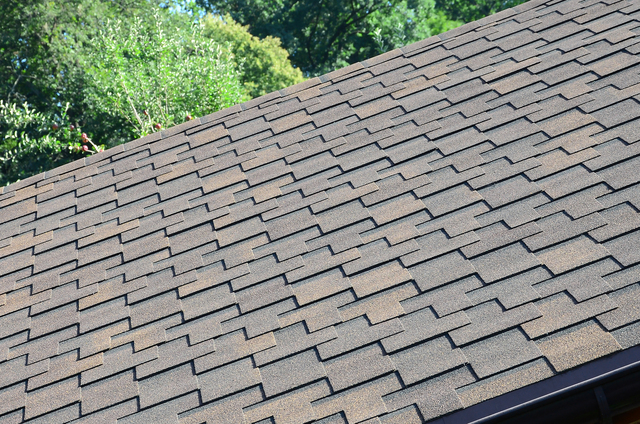
UV breaks down roofing material over time, and you can often feel it before you see obvious damage. Membrane that’s gone chalky or lost its flexibility is losing its waterproofing ability. The question is whether there’s enough life underneath to restore or whether you’re past the point of return.
Reflective coatings can add five to 10 years when the underlying material is still bonded to substrate. Surface application costs a fraction of tear-off replacement. But coating over membrane that’s already delaminating wastes money. We test adhesion and measure remaining thickness before recommending anything, because the honest answer isn’t always the one you want to hear.
Drains That Back Up During Heavy Rain
Quarterly maintenance catches blockages before they turn into emergencies. Debris accumulates in drain sumps. Sealant fails at penetration points. Small problems compound into big ones between inspection visits. We clear sumps, check every sealant joint, photograph conditions, and build records that track deterioration over time. That documentation matters for warranty claims and for deciding when repair stops making sense and replacement becomes the smarter investment.
Stop Throwing Money at Temporary Fixes
Pooling, seam failure, penetration leaks, UV damage, drainage problems; they don’t fix themselves, and they don’t stay small. Fort Myers summer storms test flat roofs almost daily. Every week you wait lets damage spread where you can’t see it, and repair costs climb. Call PRG Roofing & Construction Inc. at (239) 237-2906 for an evaluation that identifies exactly what your flat roof needs to stop the leak cycle for good.