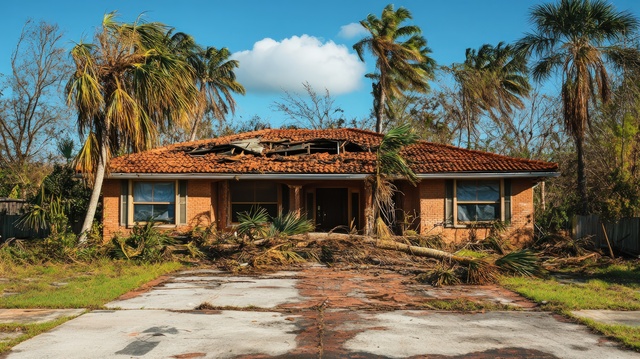
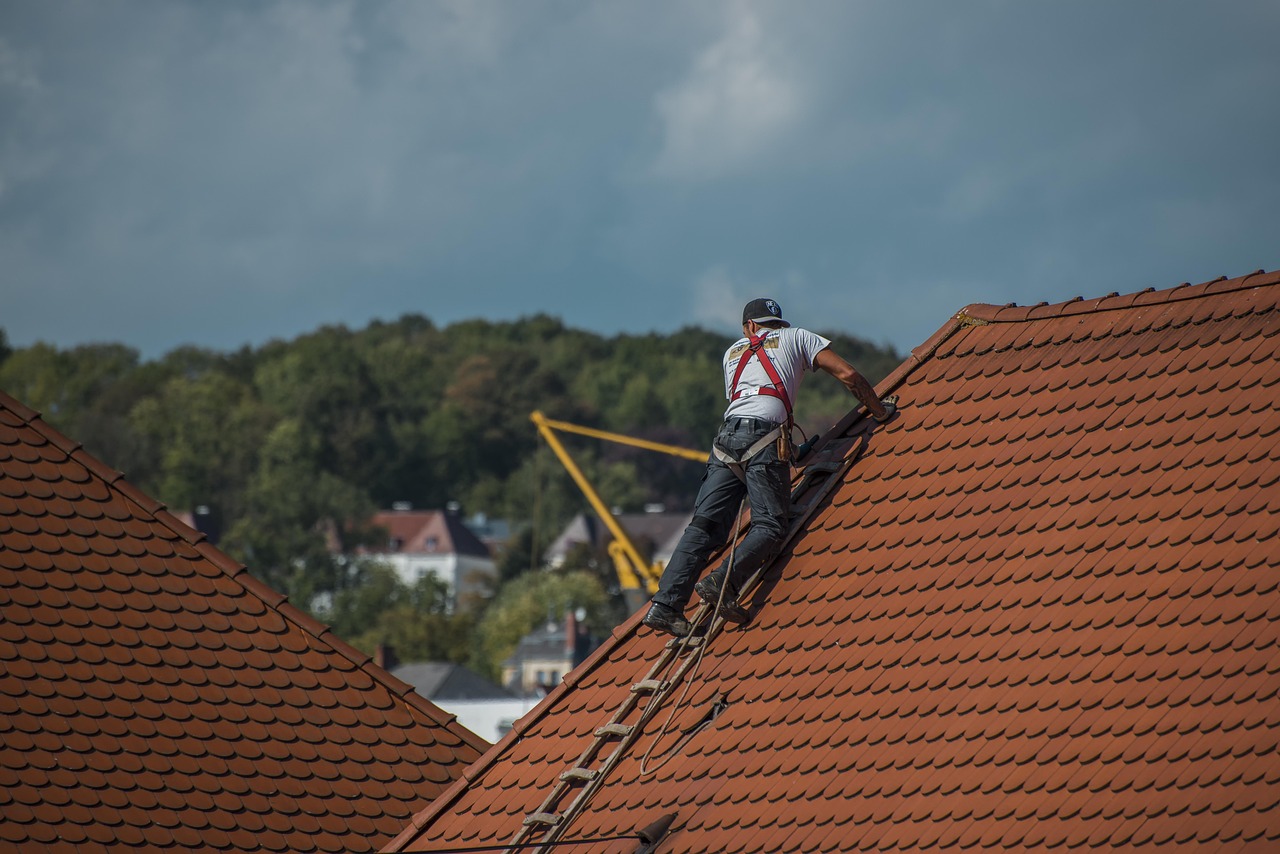
 Port Charlotte sits where Charlotte Harbor opens to the Gulf. That geography punishes roofs in ways inland homes never experience. Salt particles ride onshore breezes every single day and deposit on roofing surfaces. The accumulation eats through inadequate coatings and exposed metal within years. Wind off the harbor hits roof edges with sustained loads that loosen connections designed for calmer locations. Coastal metal roofing works when it’s built for coastal punishment. Most of what gets sold here isn’t.
Salt Corrosion by Roof Section
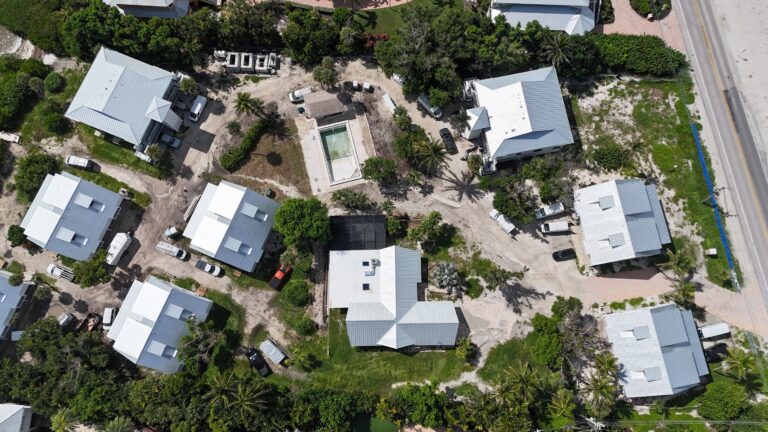
We evaluate every coastal installation based on distance from water, prevailing wind direction, and what each roof section actually receives. North-facing slopes often show less damage than south faces where afternoon sun speeds up chemical reactions. Architectural features create sheltered pockets while adjacent areas take direct assault. Homes within 1,500 feet of salt water need aluminum panels or marine-grade coatings. Standard galvalume fails in those zones within predictable timeframes, and we won’t install it knowing what’s coming.
Wind Uplift From Harbor Exposure
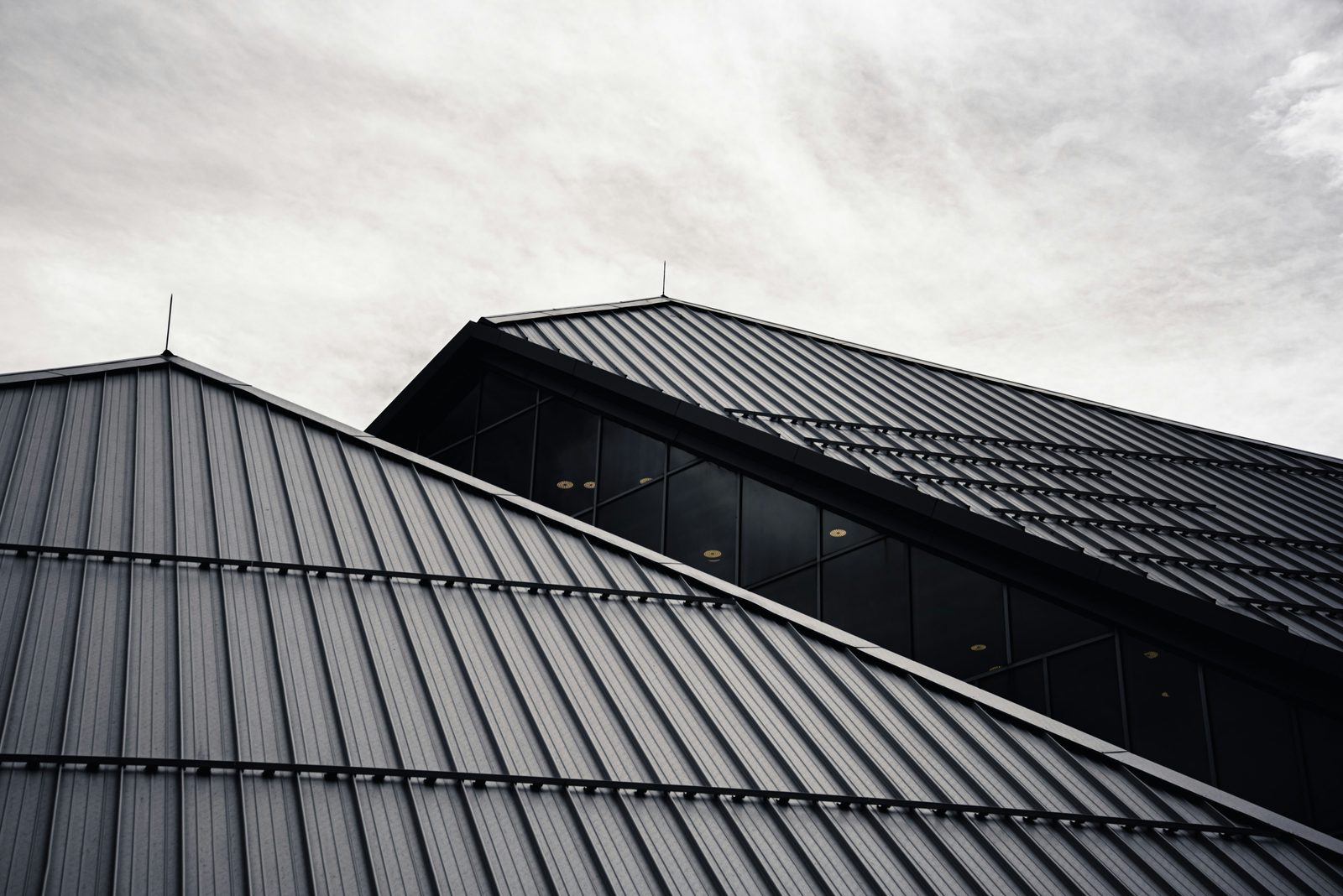
Exposed fastener systems face trouble from two directions near the water. Salt attacks screw heads while repeated gusts stress gasket seals until they give. Standing seam panels with concealed clips eliminate both problems by hiding connections beneath interlocking ribs. Port Charlotte’s hurricane exposure demands uplift ratings matching Miami-Dade High Velocity Zone requirements, even when local codes don’t require them. We install to the higher standard because your roof doesn’t care what the minimum permit threshold says when 120 mile per hour gusts arrive.
Condensation Under Metal Panels
Temperature differences between coastal air and conditioned space create moisture beneath panels. Felt paper absorbs that condensation and turns to pulp. Synthetic underlayment resists absorption. High-temperature rated products handle heat buildup without breaking down. Self-adhering membrane at eaves, valleys, and penetrations adds backup when primary seals fail during major weather. We layer these materials because coastal storms test every component, and single failure points mean interior damage.
Edge Terminations Fail First
Roof edges catch concentrated salt spray and wind pressure on every Port Charlotte home near the harbor. Standard drip flashings corrode faster than field panels because exposure intensifies at termination points. We fabricate edge components from identical materials as primary panels, keeping corrosion resistance uniform across the whole system. Cutting costs on trim invites failures that spread to surrounding areas. What seems like small savings becomes an expensive tear-off job within a few years.
Coastal Maintenance Requirements
Salt deposits need periodic freshwater rinsing before they work through coating surfaces. Annual inspections catch scratches, sealant failures, and fastener issues while solutions stay simple. Touch up coating damage right away because oxidation establishes beneath the surface and spreads where you can’t see it. We provide exposure-specific maintenance schedules and follow-up inspections catching problems early.
Build for Where You Live
Coastal weather hits year-round, and the next storm season tests everything above your walls. Metal roofing built for Port Charlotte conditions protects homes for decades. Inland specs installed near the harbor fail within years and leave structures exposed when it matters most. Call PRG Roofing & Construction Inc. at (239) 237-2906 to discuss solutions matching your home’s actual exposure.