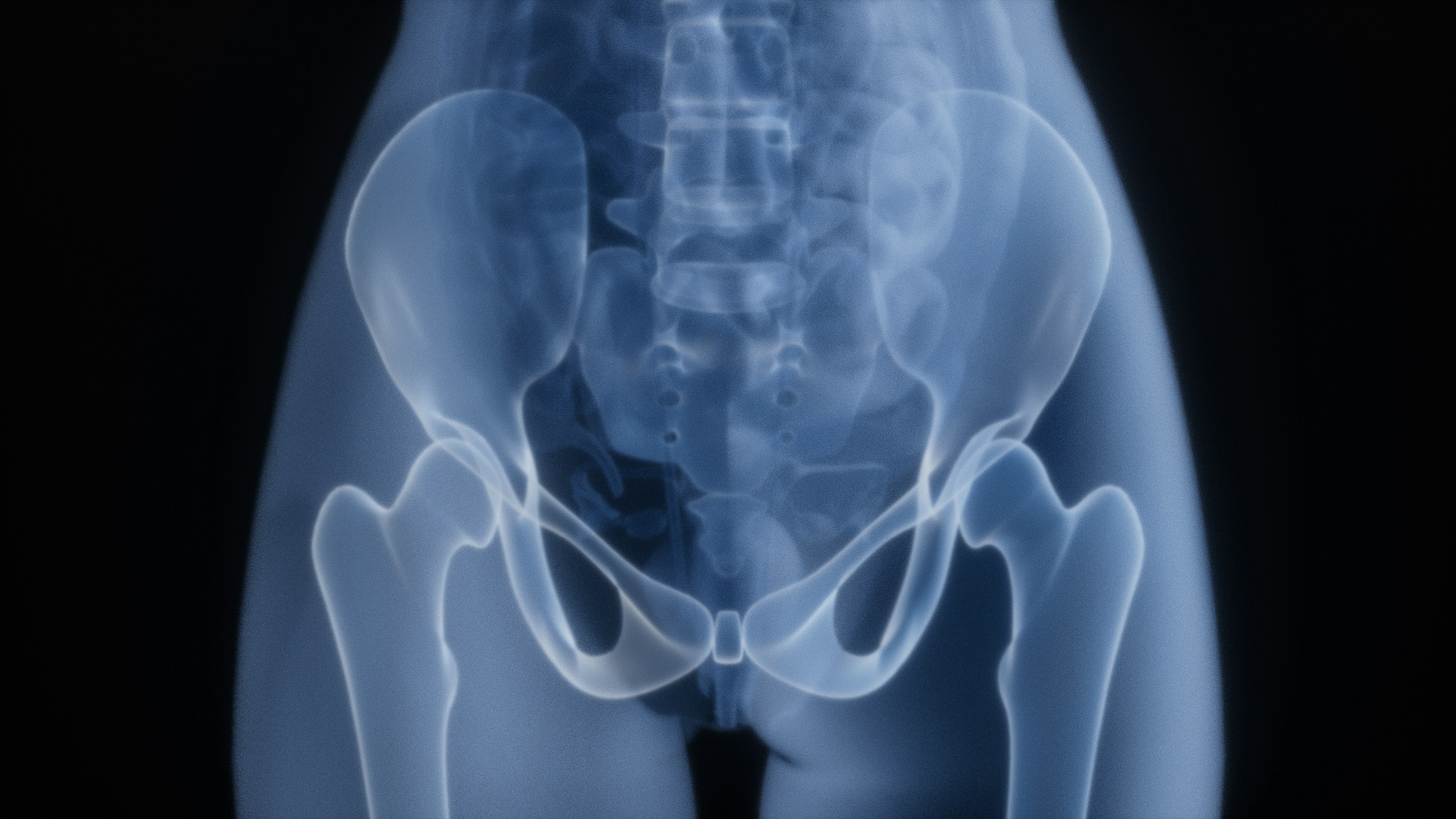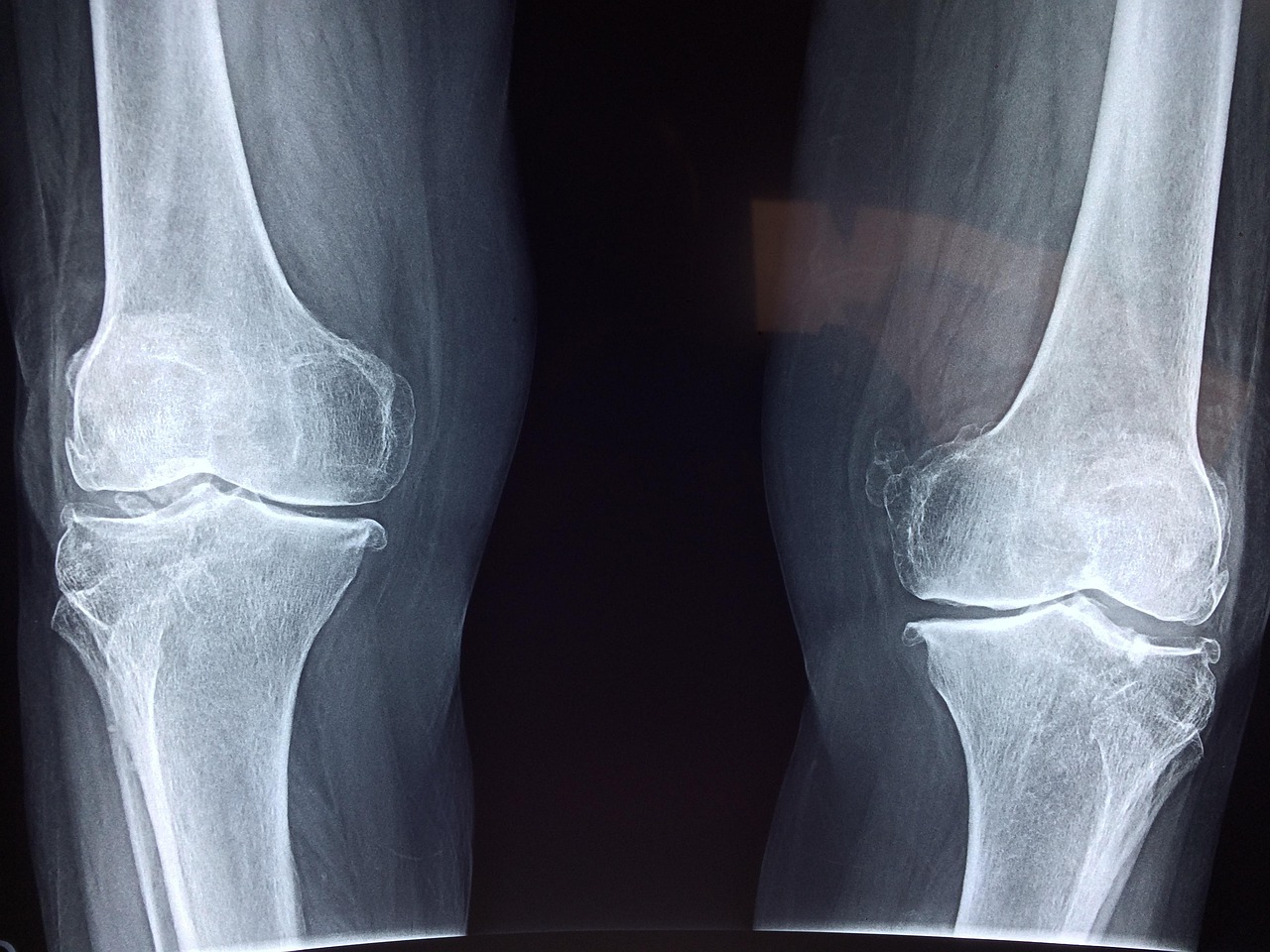
For some people it’s one bad moment. You lunge for a dink shot at the courts, your foot stays put, your body turns, and something in the knee goes pop. For others there’s no story at all. You kneel by the planter to pull a few weeds, get back up, and the knee grabs. The next morning it’s swollen on one side and won’t quite bend. Either way, it’s often the meniscus. Plenty of people around Sun Lakes figure that means surgery, and a lot of the time it doesn’t.
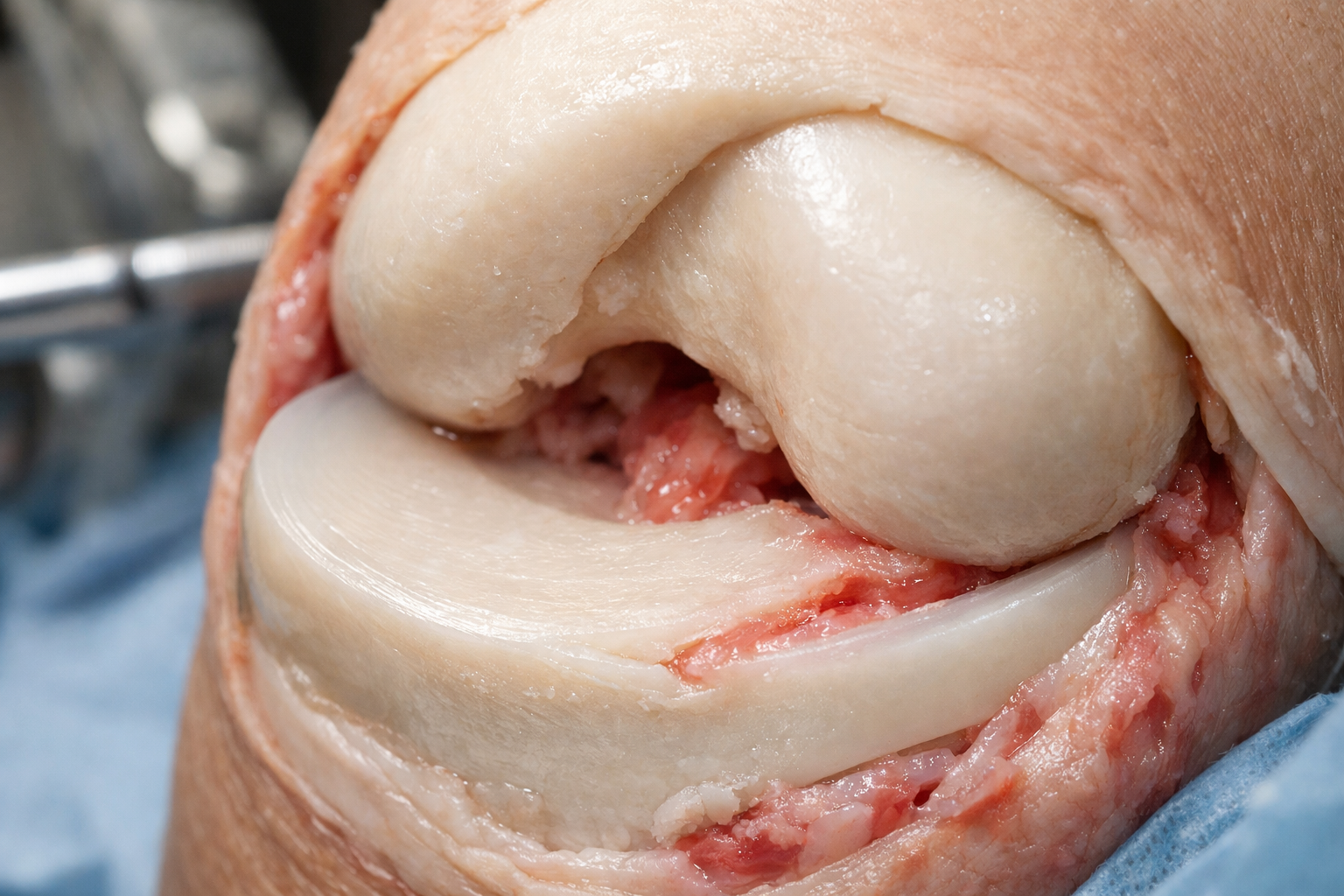
You’ve got two of them in each knee. They’re tough, rubbery wedges of cartilage, curved like a C, tucked between your thigh bone and your shin on the inner and outer sides. Every step you take, they squish a little and take some of the pounding, and they keep the joint snug. At twenty, you usually need a hard twist to tear one. At seventy, they’re drier and more brittle, and getting up from a squat in the garden can do it.
Signs of a Meniscus Tear
A sore knee could be lots of things. Here’s what makes us think meniscus:
- It hurts right on the joint line. You can put a finger on it, inside or outside.
- The knee puffed up a day or so after it happened, not right away.
- When you straighten the leg, it hangs up for a split second or makes a little click.
- You’ve quit squatting down to reach the pots in the bottom cabinet.
- Going downstairs, it feels like it could give out.
If it locks bent and you can’t straighten it at all, call us that day. A flap of torn cartilage can get stuck in the joint.
Why Physical Therapy Helps
For the wear-and-tear tears that are most common after fifty, PT often works about as well as an operation. The first goal is getting the puffiness down. Next we get the knee bending and going straight again. Then we build up your thigh and hip so they carry more of your weight and the cushion carries less. Day one, we measure the knee, bend it as far as it’ll go, and have you balance on each foot. An MRI comes up only if something about the exam bugs us.
What Treatment Looks Like
The first few weeks are about calming it down. You’ll ice it, prop it up, slide your heel along the bed, and squeeze your thigh muscle to get the knee flat again. Once that’s going, we build strength. You’ll do straight leg raises and mini squats holding the kitchen counter. There’s a step-up onto a little wooden box, and side-lying leg lifts for the hips that burn more than you’d expect. Then comes balance. Our favorite assignment is standing on one foot while you brush your teeth.
The last stretch is all about your life. Golfers chip and putt in the gym. Pickleball players shuffle side to side, and walkers walk. Until then, skip deep squats, and don’t twist on a foot that’s stuck to the ground. Give it six to eight weeks and most knees feel noticeably better. If yours still locks up or stalls out, we’ll tell you straight that a surgeon should see it.
Has your knee been puffy and catchy since a twist or a squat? Call Modern Medicine of Sun Lakes, AZ, and let our physical therapists take a look.