At first, hardly anyone thinks “arthritis.” Your groin aches after nine holes, but you figure it’s a pulled muscle. Then putting on your shoes starts to feel like a stretch you have to brace for, and getting out of a golf cart takes a little more effort than it used to. Out here in Sun Lakes, a lot of people play pickleball before it gets hot and take a lap around the lake after dinner, so when the hip starts complaining, you notice it every single day. Plenty of people with hip arthritis go years without surgery, and some never need it at all.
What’s Happening Inside the Joint
The top of your thigh bone is round, and it fits into a cup in your pelvis. Both of those are coated in a slick layer of cartilage that lets them glide. With enough years and enough miles, that layer gets thin and patchy, so the joint starts to grind a little, loses some room inside, and can even grow small bony bumps along the rim. That’s why the hip stiffens up and loses some of its range. It’s also why the pain can come and go, with good weeks and bad weeks depending on how much you’ve been on your feet.
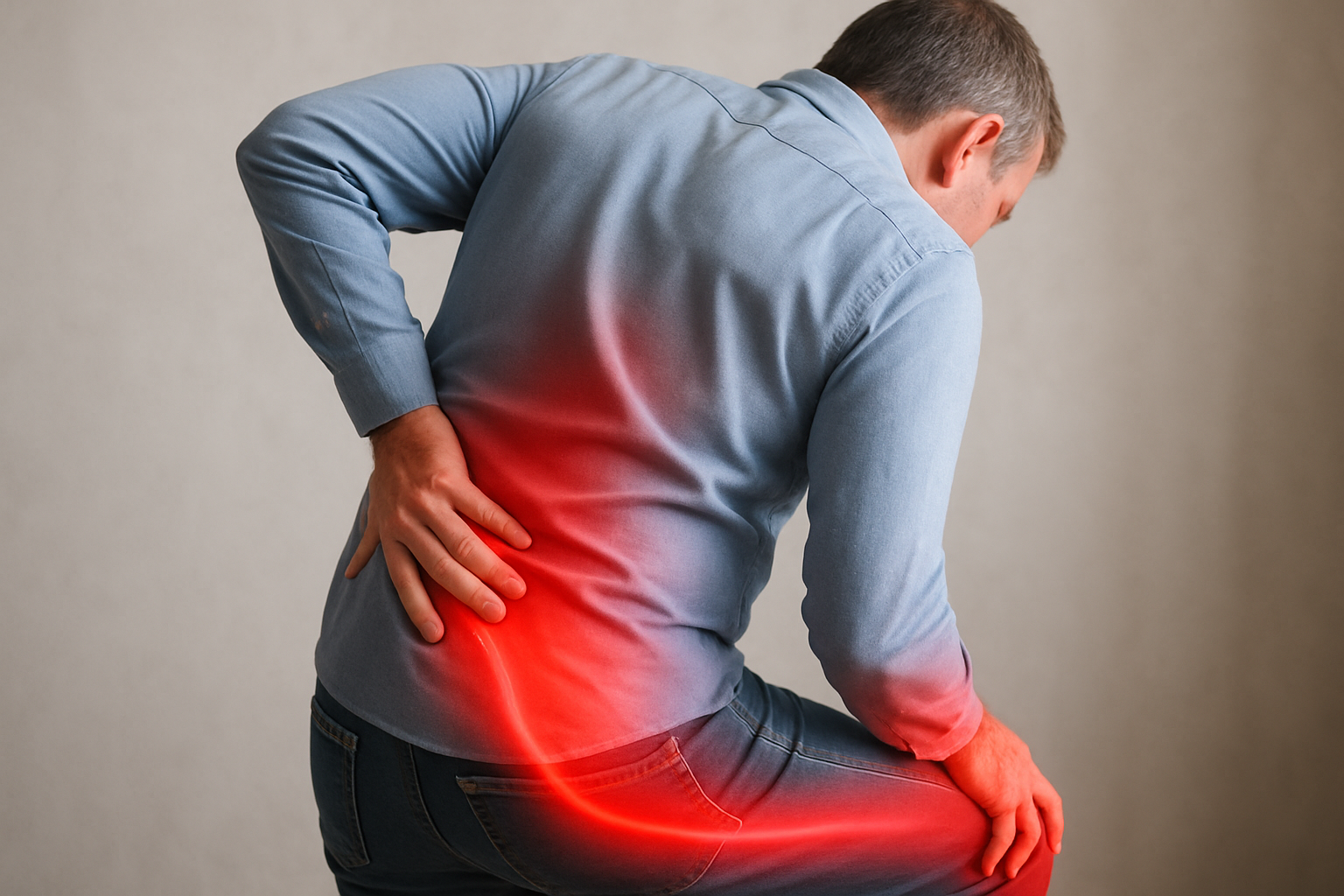
How It Usually Feels
Hip arthritis has a pretty recognizable pattern. People tend to describe some mix of these:
- Pain deep in the groin that sometimes slides down the front of the thigh, and now and then all the way to the knee
- A hip that feels rusty when you get out of bed, or when you stand up after a two-hour movie
- Trouble crossing your legs, bending to trim your toenails, or pulling on socks
- A limp that shows up near the end of a long walk
- Pain that flares after a busy day and settles down with rest
What Non-Surgical Care Looks Like
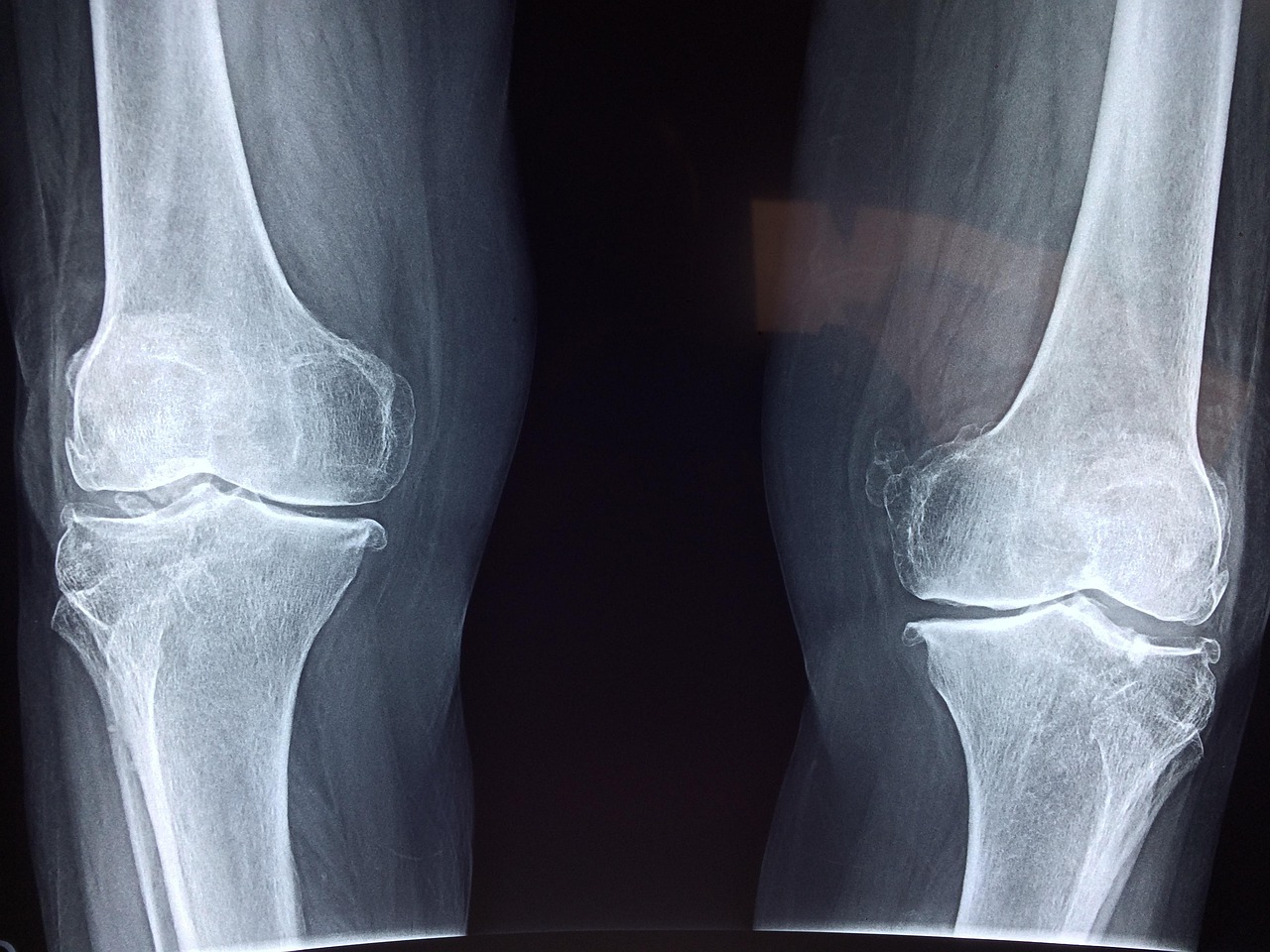
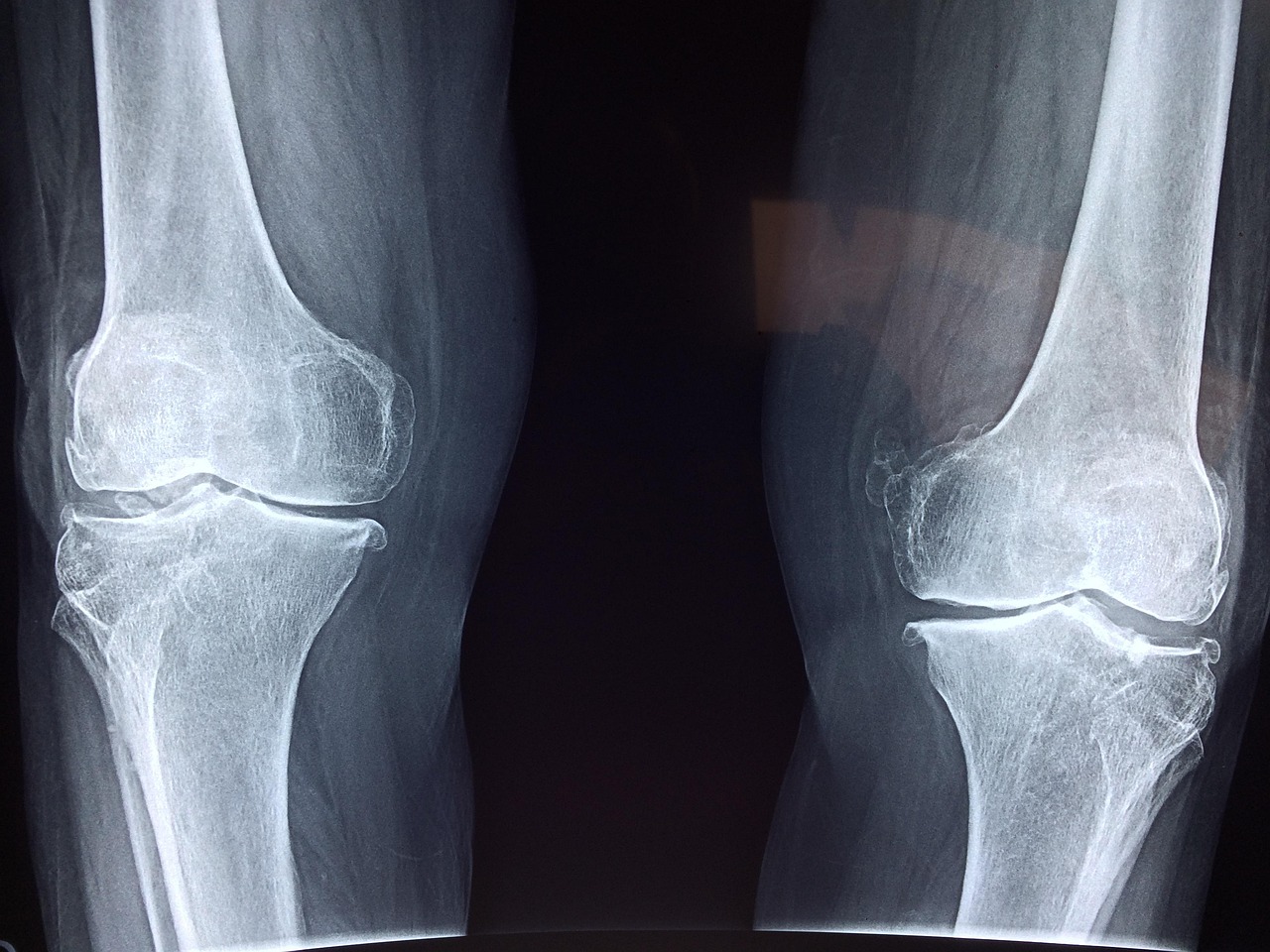
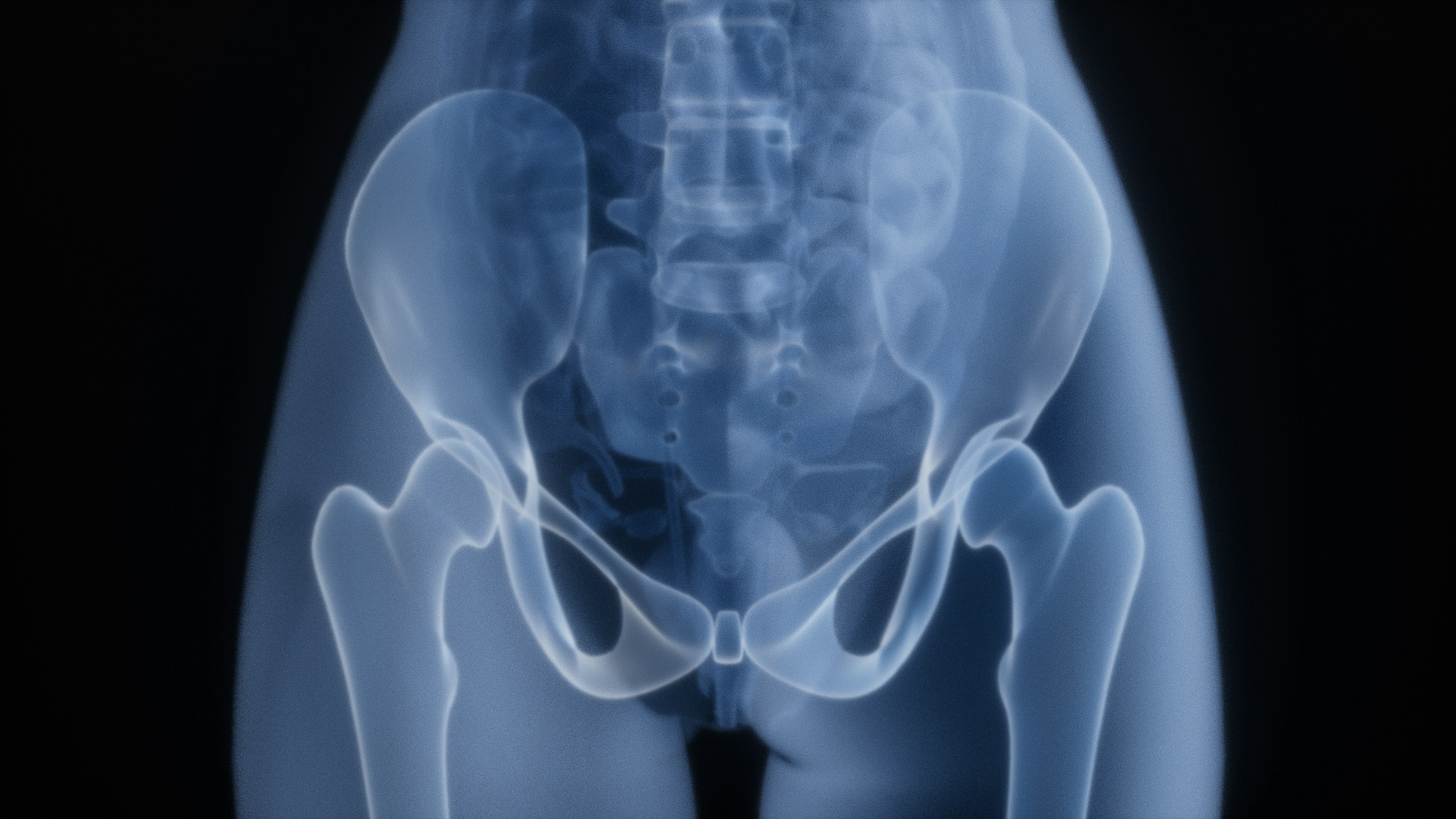
We’ll start by watching you walk and getting you up and down from a chair. Then we’ll move the hip through its range to see where it gets tight. An X-ray helps us see how much the joint has changed, though the picture doesn’t always match how you feel. Some people with a rough-looking X-ray do surprisingly well.
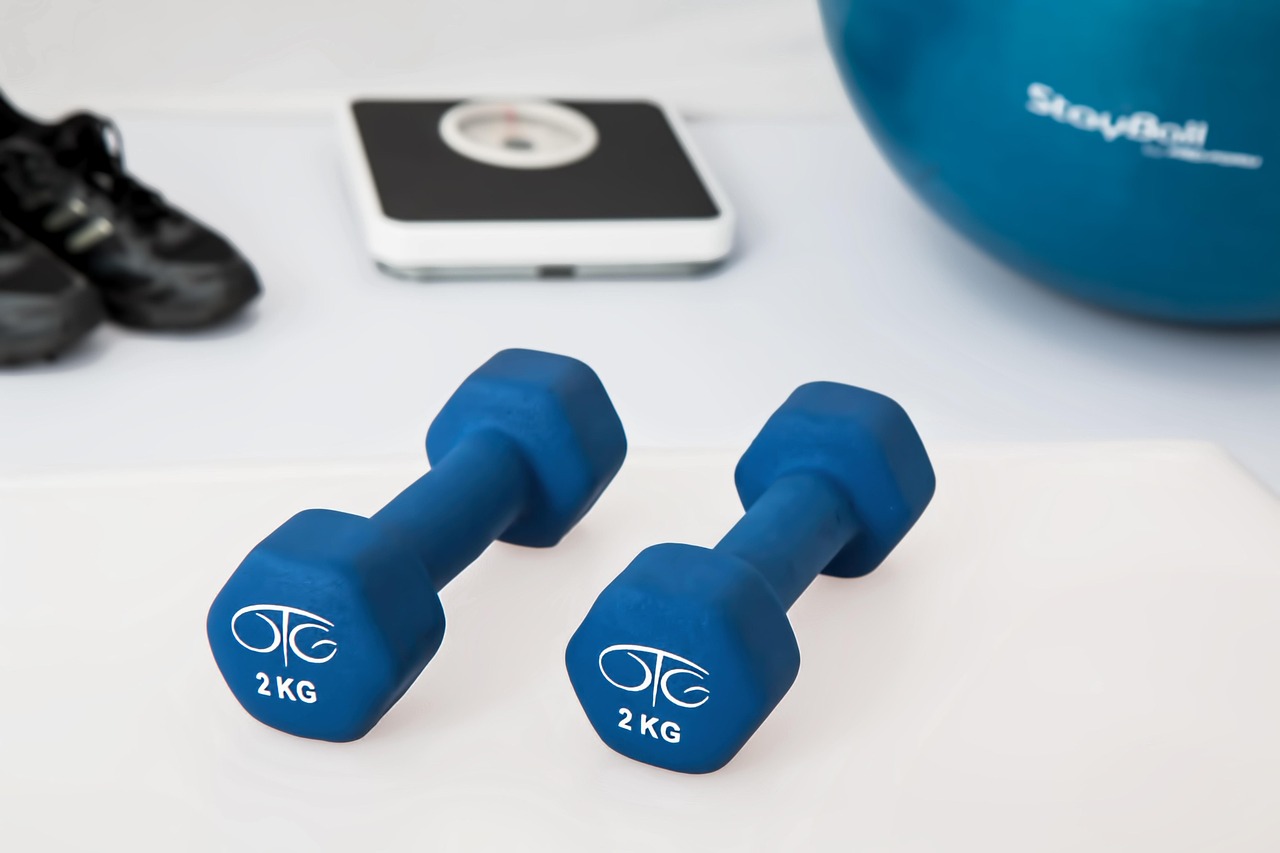
Strength is a big part of the plan. When the glutes and thigh muscles get stronger, they take some of the load off the joint itself. You’ll probably do bridges, side-lying leg lifts, and sit-to-stands, and we’ll add gentle stretches to get back some of the motion you’ve lost. Low-impact activity helps too. A stationary bike or the community pool can keep the hip moving without pounding on it.
Some people also benefit from a cortisone injection when a flare won’t calm down, or from a cane on the bad days, held in the hand opposite the sore hip. We’ll talk through shoes, chair height, and small changes around the house that make daily life easier. If the joint gets to the point where surgery makes more sense, we’ll tell you honestly.
If your hip has been slowing you down, schedule a visit with Modern Medicine of Sun Lakes, AZ. We’ll help you find a plan that keeps you active.