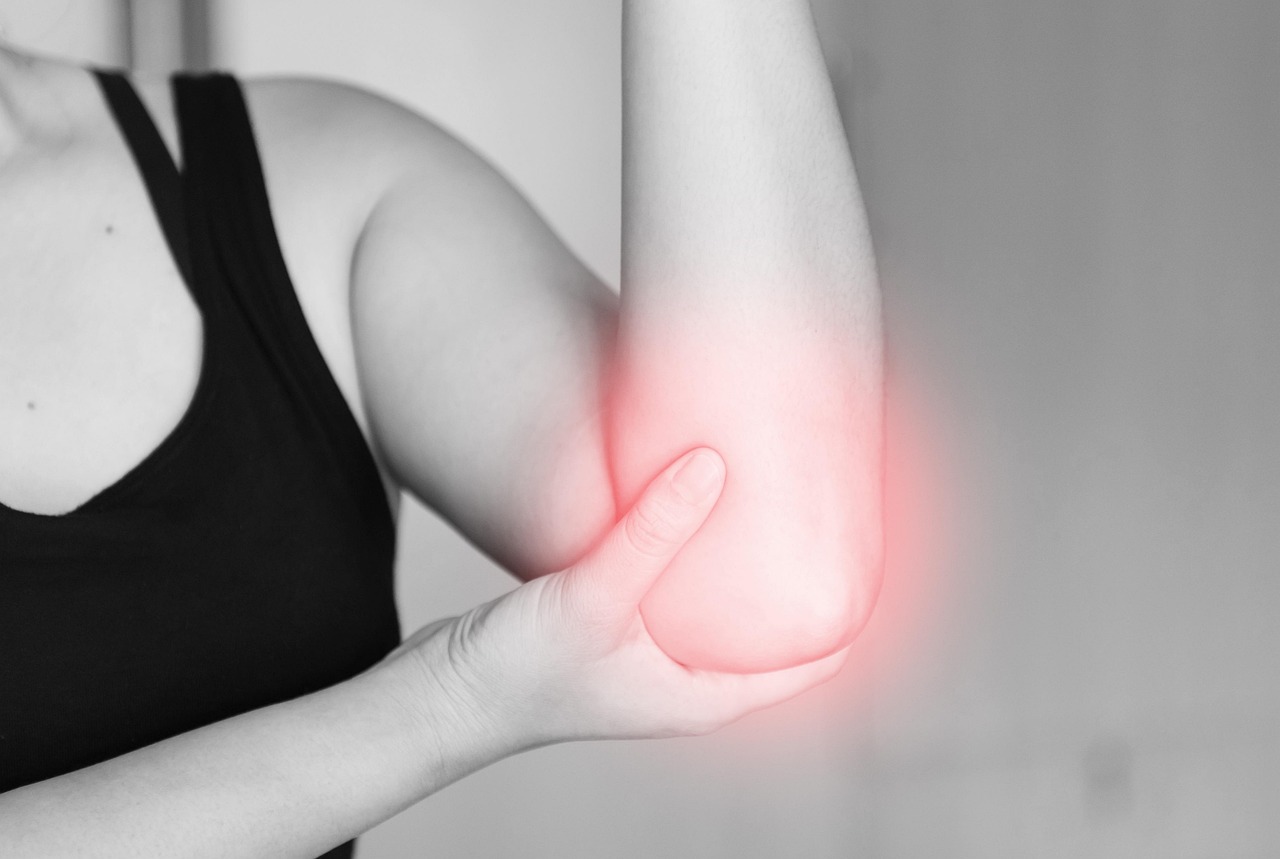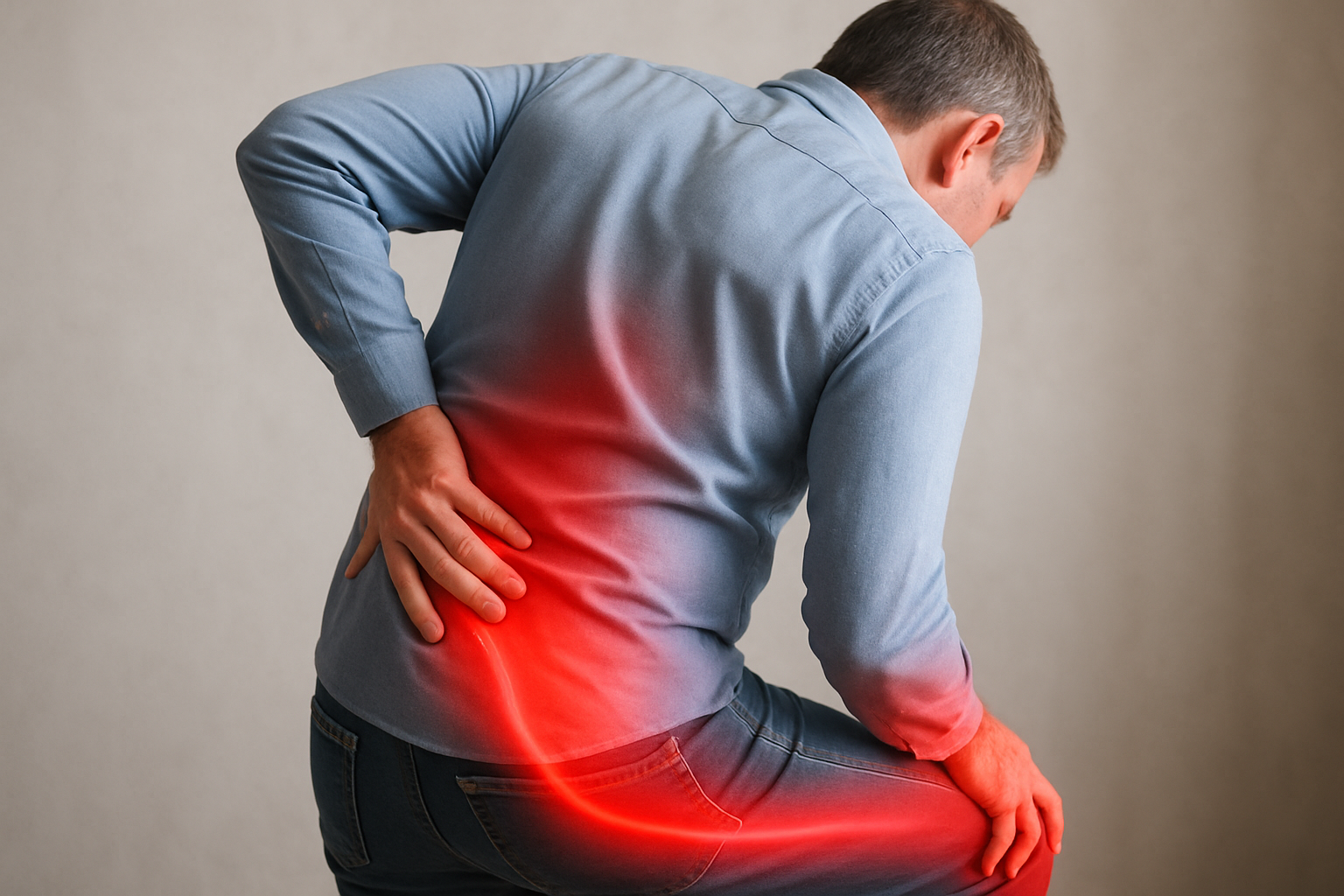
It’s not an emergency. Nobody’s calling 911 over a cranky knee. It just hangs around. You feel it the second you climb out of the car. Reach back for the seatbelt and the shoulder grabs. The salsa jar goes to your husband now, every time. You’ve iced it, worn the drugstore brace, and given it two weeks off, twice. Now it’s November and the same joint is still talking to you. That’s the stuff we see most at our clinic.
A stubbed toe heals. A rolled ankle mostly heals. Joint pain that’s dragged on since spring usually has more than one thing going on. Maybe there’s a little arthritis in there. Or a tendon next to it is worn out. Then there’s the part nobody mentions. While you were babying that knee or shoulder, the muscles around it shrank, and now the joint is doing its job too. Fix one of those and the other two keep the ache going.
Joints We See Every Week
We’ll look at pretty much anything that bends. These are the regulars:
- Knees top the list, and stairs are the giveaway, especially going down.
- Shoulders, the kind that make you lie on the other side at night.
- Hips that ache in the groin or along the outside of the thigh.
- Thumbs and fingers bother gardeners and golfers alike.
- That ankle you sprained in high school, which now complains every time it’s about to rain.
How We Sort It Out
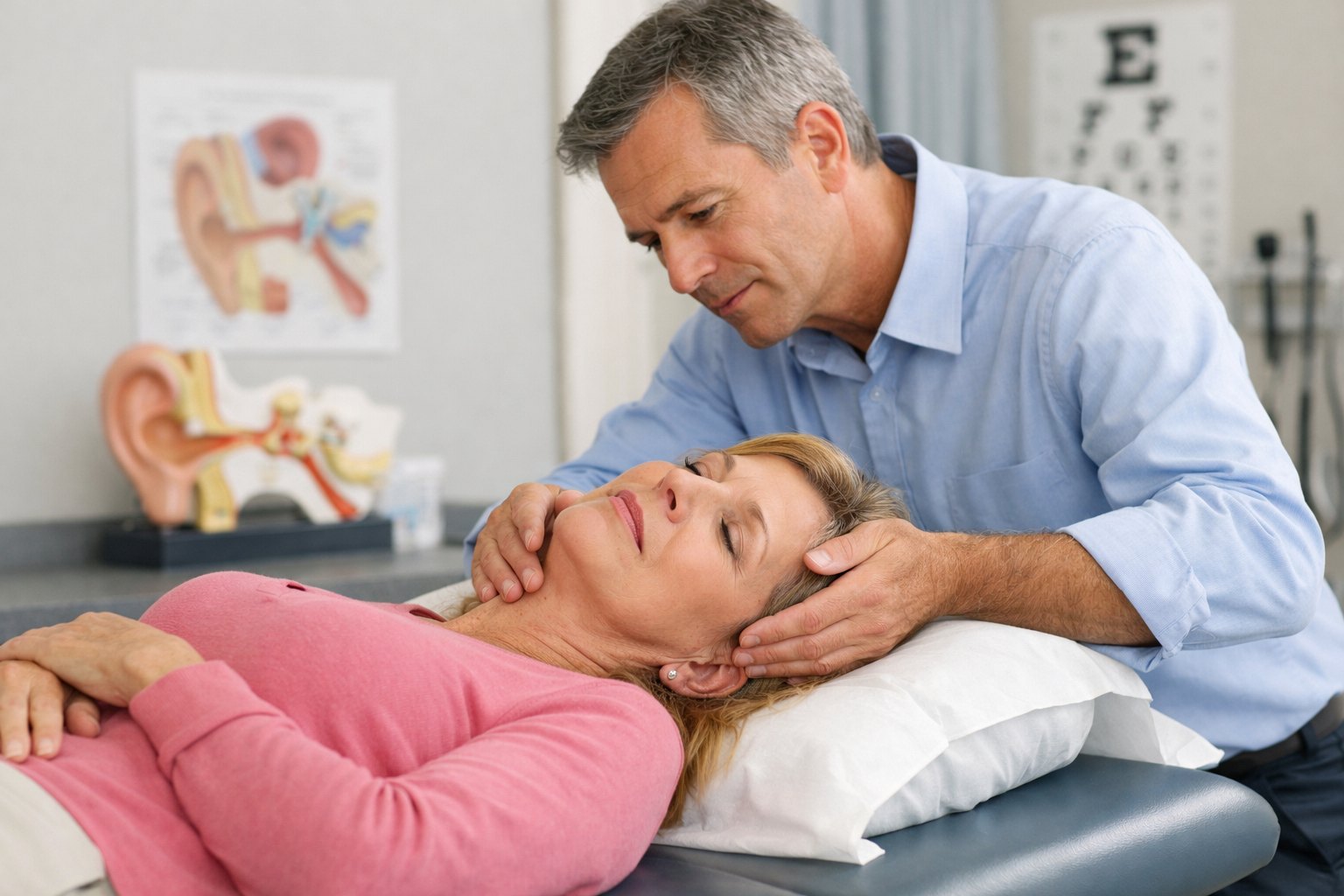
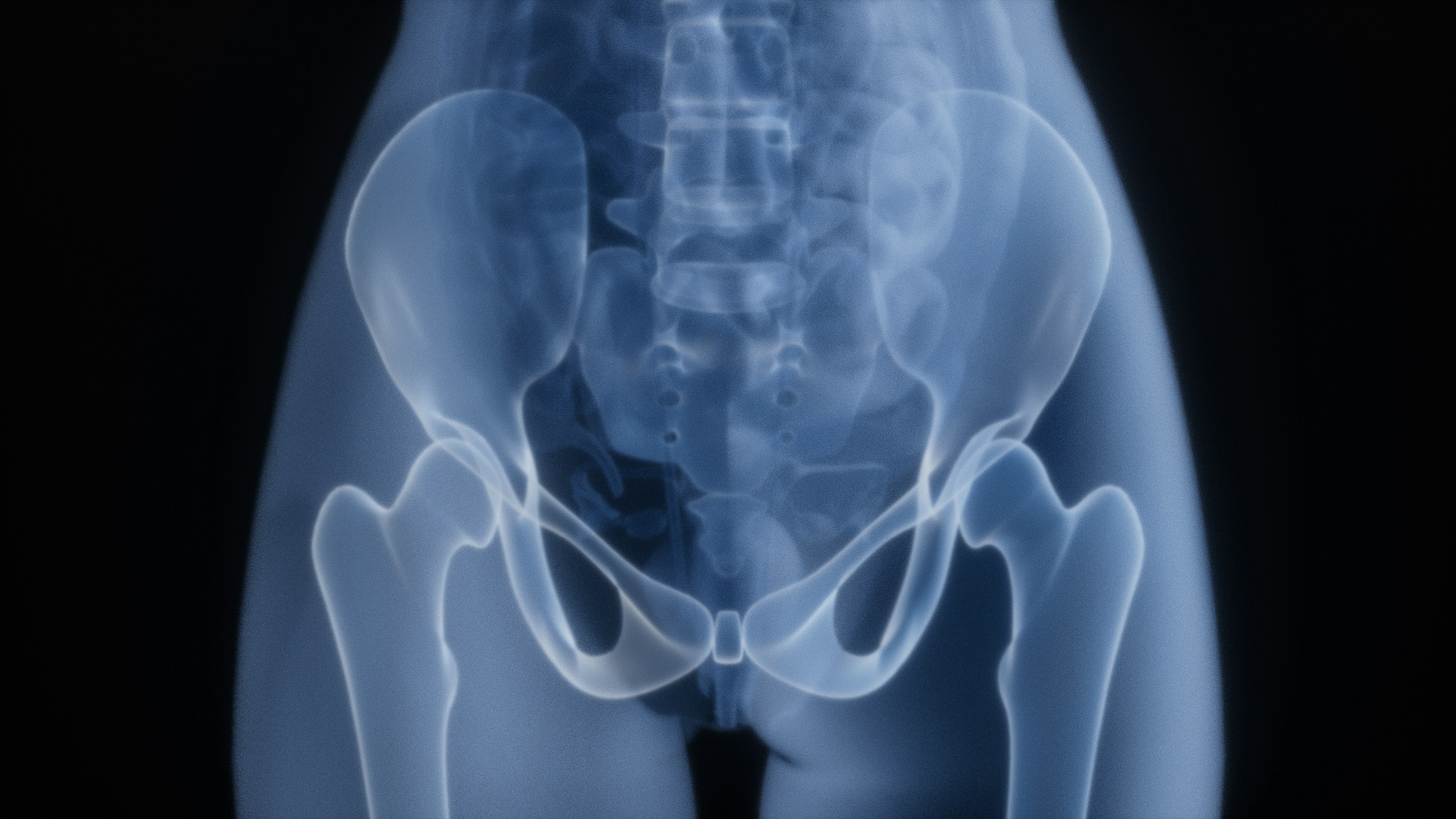
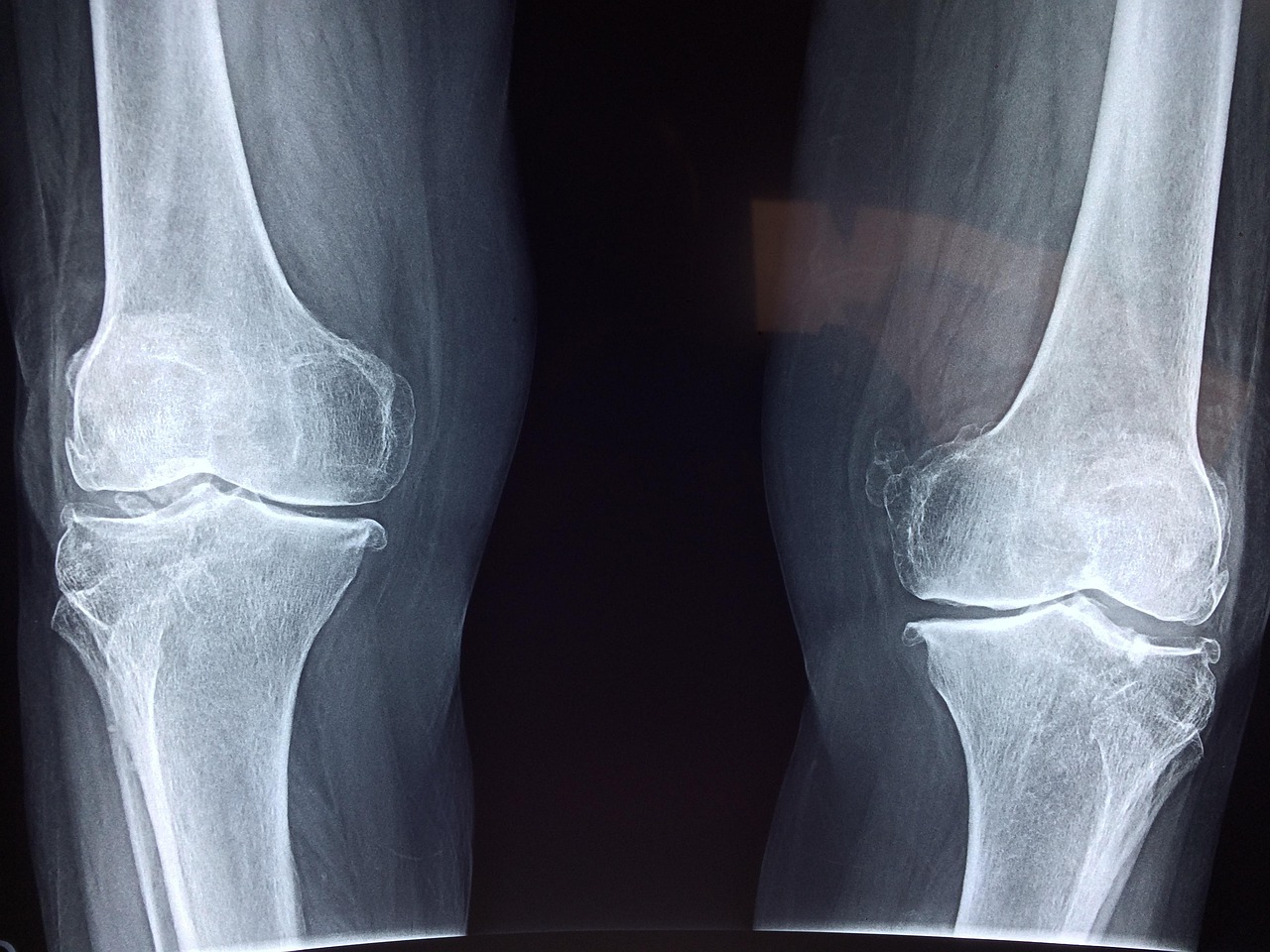
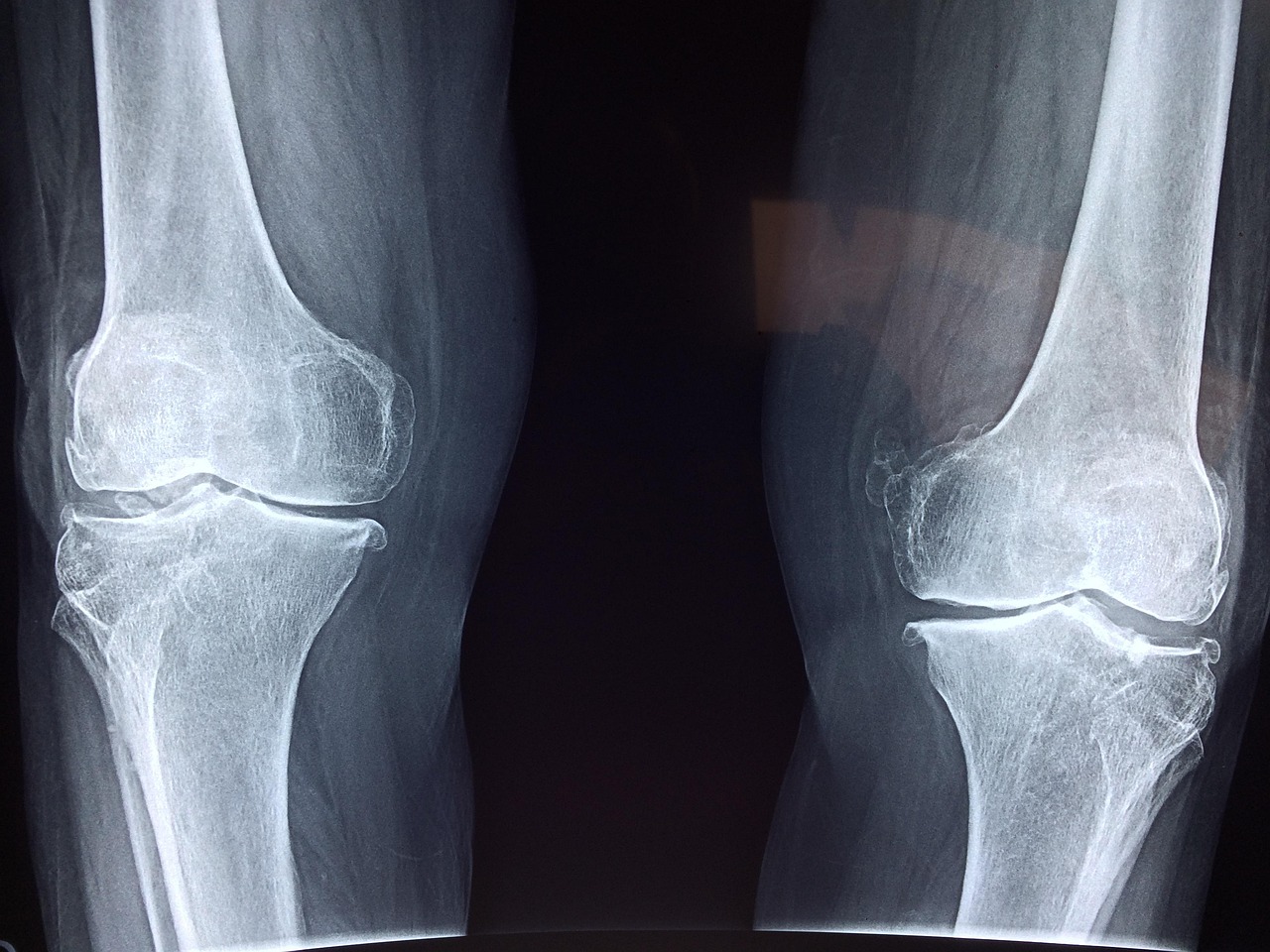
You talk, we listen for a good while. It helps to bring a list of what you’ve tried already, even the creams and gadgets that did nothing, and any old X-ray reports you’ve got lying around. Then we get hands-on. We’ll press around until you flinch, have you push against us, measure how far the joint bends, and watch you walk, squat, or reach overhead. If something doesn’t add up, an X-ray or ultrasound gets ordered.
The Plan
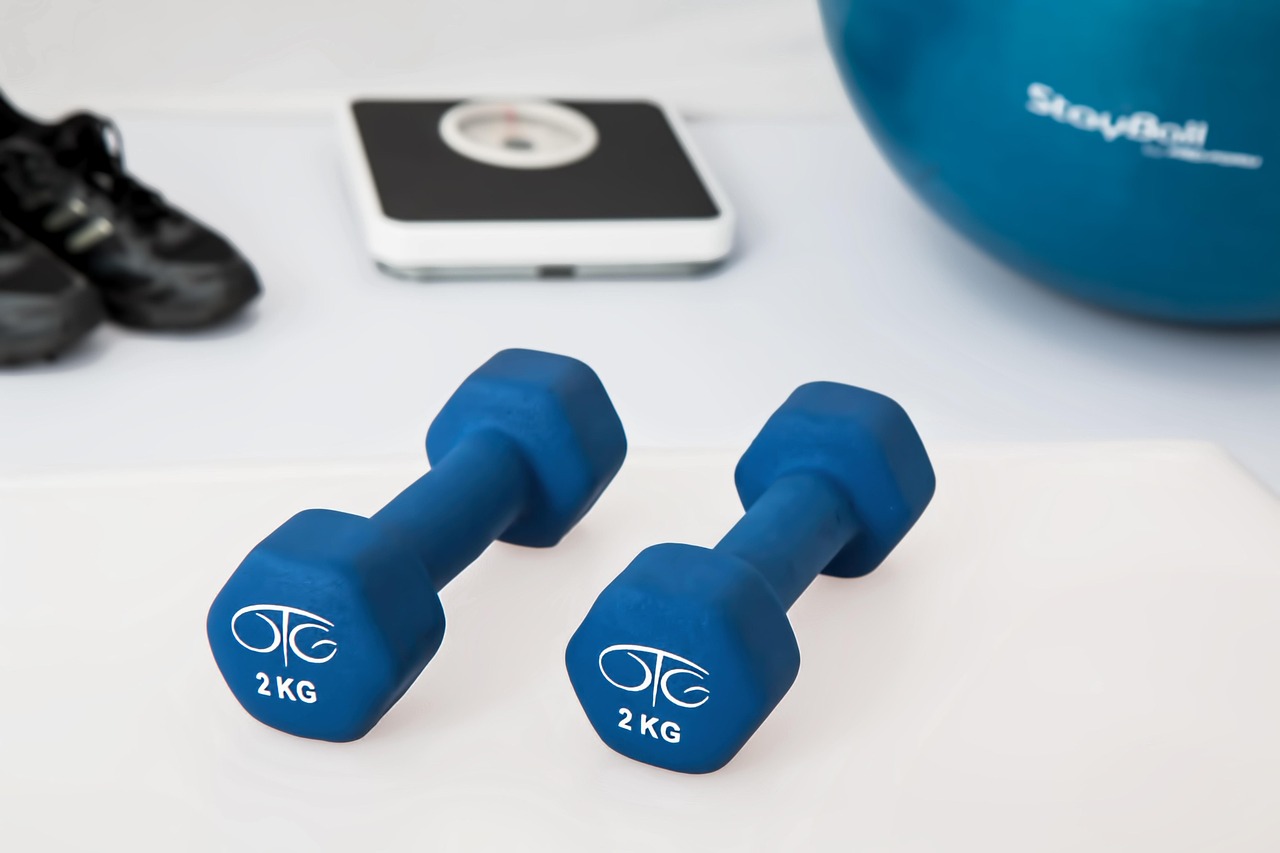
PT is the biggest piece. We strengthen the muscles that hold the joint steady and win back whatever motion it lost. Sometimes we work the joint by hand to loosen it. A brace might come out for yard work or a round of golf. Expect nosy questions about your recliner, your mattress, and your golf swing.
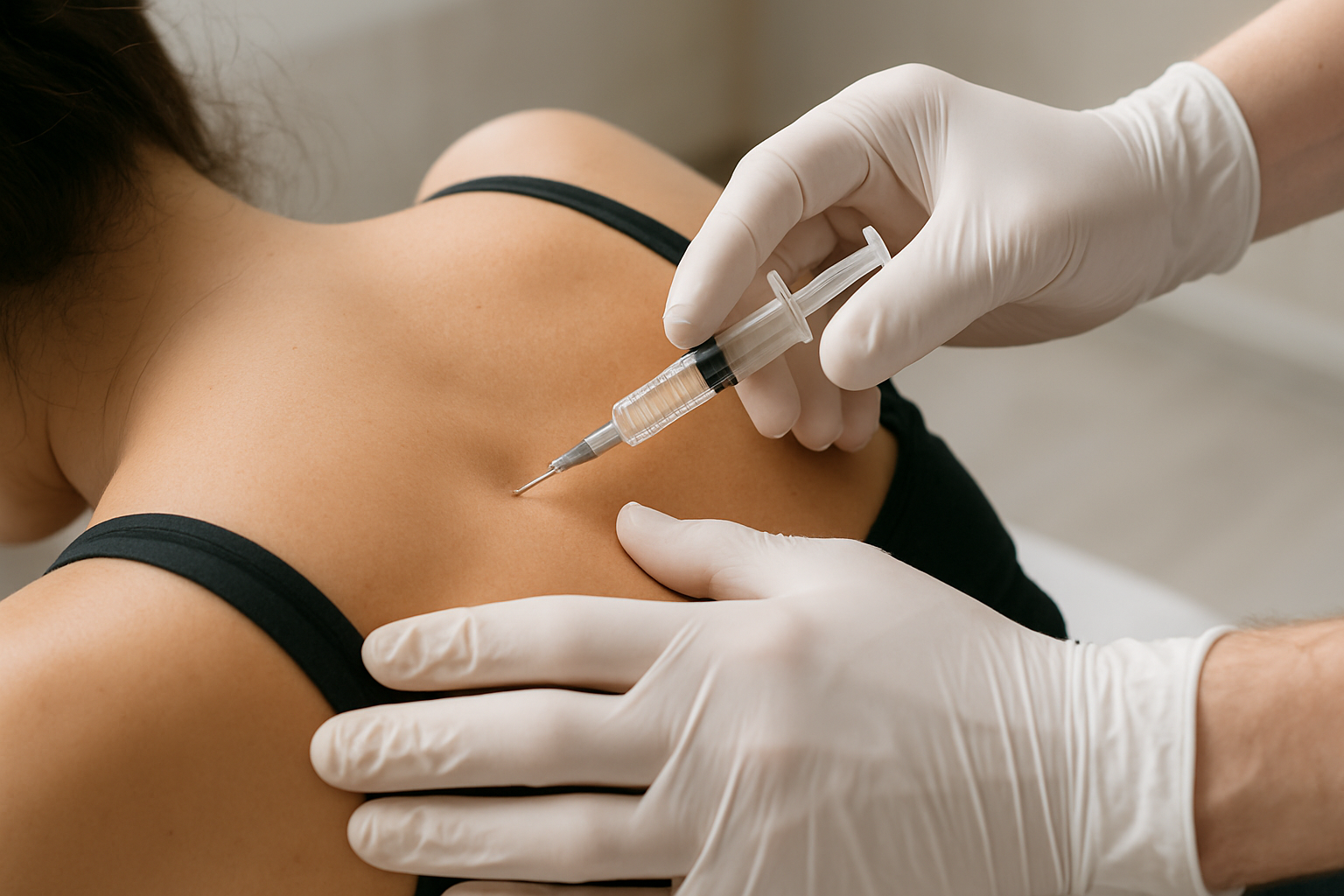
Sometimes it hurts too much to do the exercises. That’s when a cortisone shot comes up. Knees with arthritis might get gel shots instead, and a tendon that won’t heal could be a candidate for PRP. We’ll lay out the pros, cons, and price of each.
Four to eight weeks is a typical window to feel a real change, as long as you do the homework. It’s ten minutes or so, and you can knock it out during the evening news. People who stick with it tend to keep their progress, and people who don’t usually end up calling us again by summer.
If a joint has been nagging you for too long, call Modern Medicine of Sun Lakes, AZ, and let’s take a closer look.