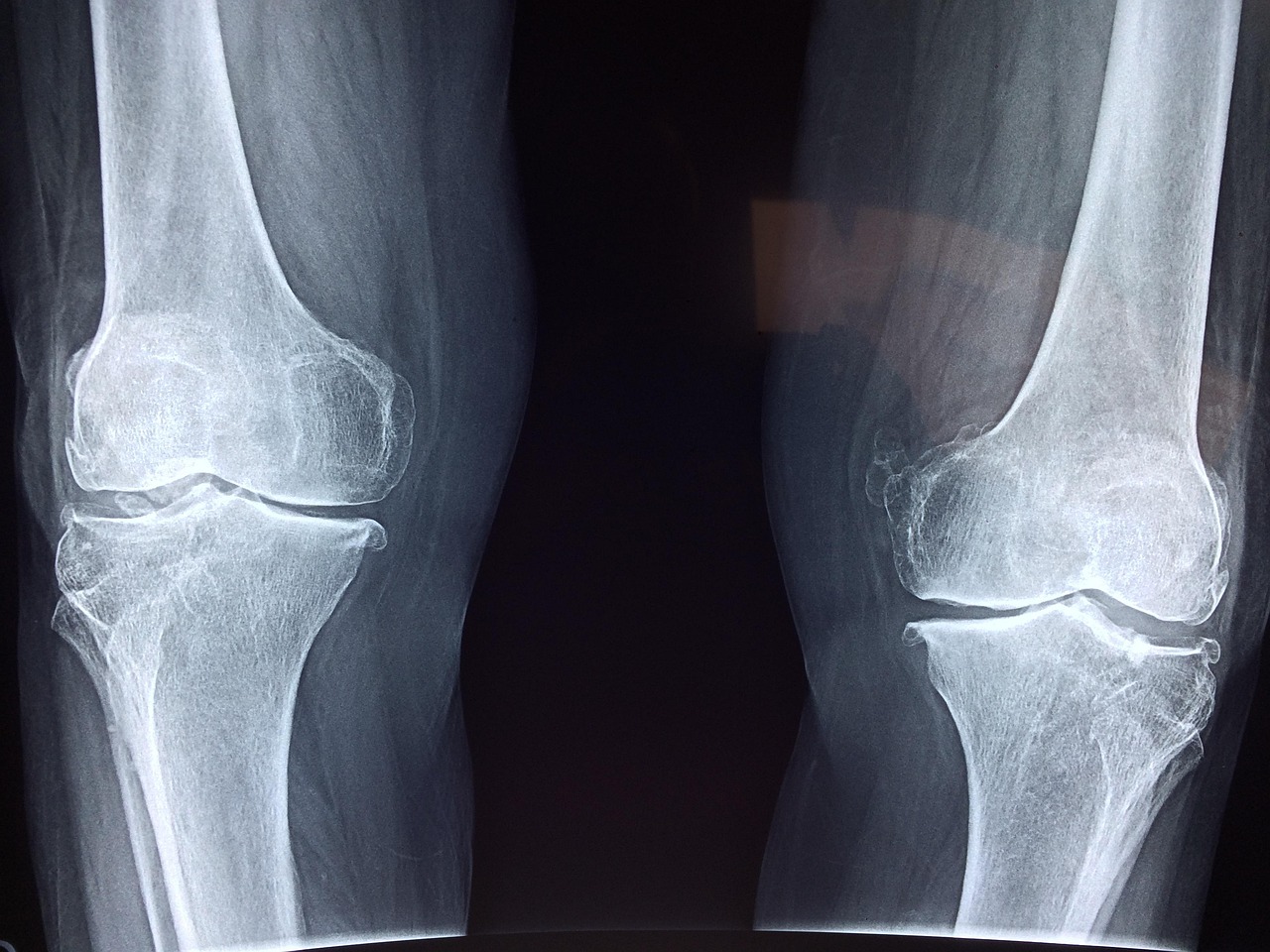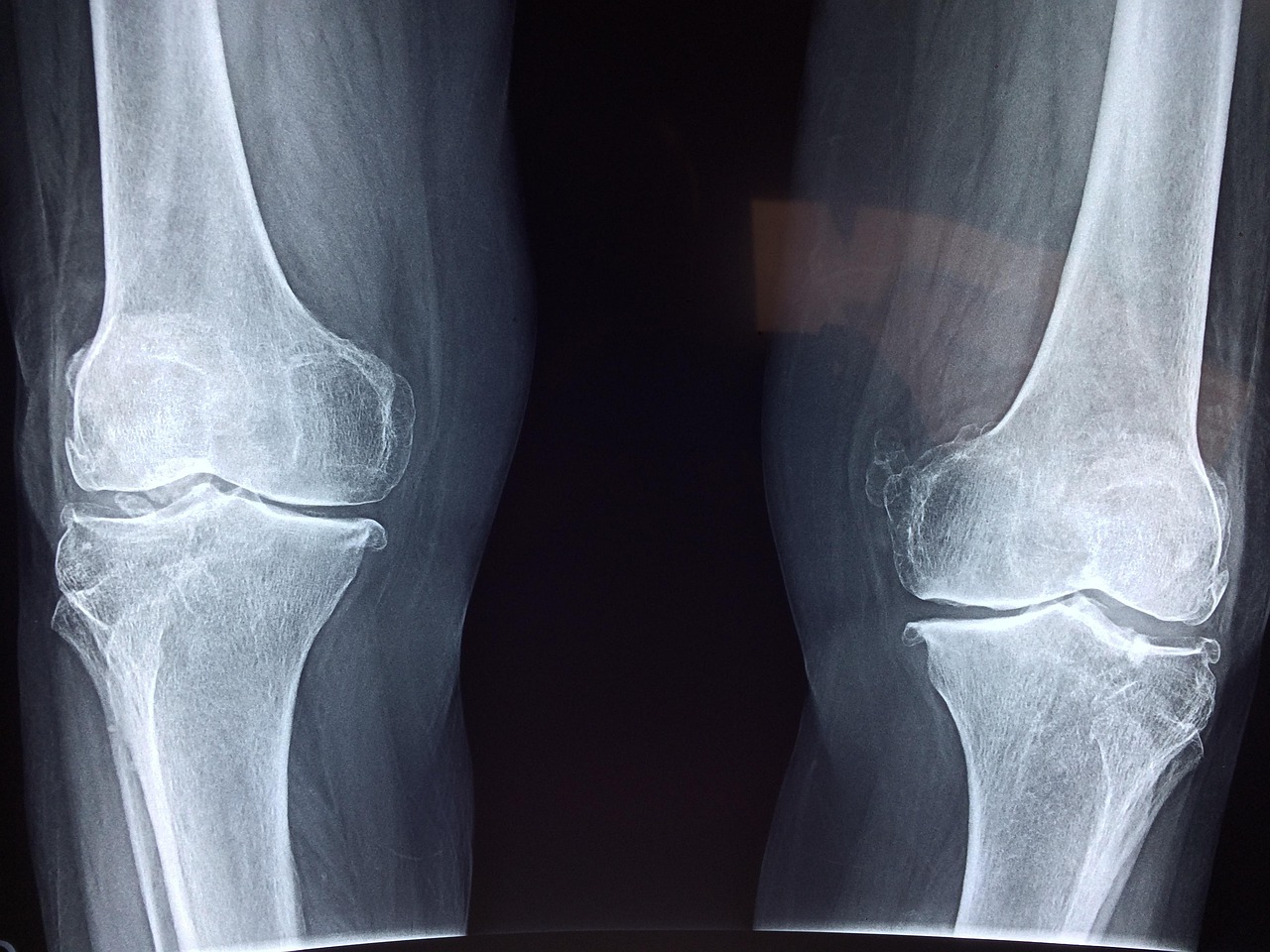
An X-ray shows you bone. An MRI shows you tissue structure. Neither one shows you how your back actually moves, which is often the thing that matters most in chronic pain.
That gap is what manual therapy addresses, starting with the assessment before any treatment begins.
What Hands Find
A therapist assessing your back does something imaging can't. They move individual segments of your spine and feel how each one responds.
Some segments move freely. Others are stiff and resist. Some are tender to pressure while their neighbors aren't. Muscles in certain areas are guarded and contracted while others are normal.
That map of how your back is behaving guides treatment in a way a picture can't.
Why Chronic Backs Go Stiff
Long-standing pain changes the area. Muscles tighten protectively around a spot that hurts. Individual segments stop contributing their share of motion. Tissue becomes restricted. Over months, the region starts moving as one rigid unit rather than a series of parts each doing a little.
That stiffness didn't cause the original problem, but it perpetuates the current one, and it's what a lot of treatment never reaches.
- Mobilizes segments that have stopped moving properly
- Releases muscles locked in protective guarding
- Frees restricted tissue limiting how you move
- Reduces pain enough that active work becomes worthwhile
That last point is the real function. A back that hurts and moves poorly is difficult to strengthen effectively, because you compensate and the exercises stop targeting what they should.
Why It Isn't The Whole Treatment
Let's be honest about this. Hands-on work alone gives improvement that fades across the following weeks. You've restored motion without changing why the area stiffened in the first place.
So it pairs with strengthening for the core and hips, retraining how you move, and adjusting the daily habits loading your spine. Neither half works well without the other.
The Sequence Matters
Here's the practical logic. Loosening things first makes the exercise work productive. Trying to strengthen a rigid, guarded back usually means doing the movements poorly and getting limited return.
Manual therapy opens the door, exercise walks through it, and the daily changes keep the door from closing again.
Realistic Expectations
Weeks of consistent work, not one session that fixes everything. Chronic back pain involves stiffness, weakness, adapted movement patterns, and sometimes heightened sensitivity. That combination needs sustained attention.
Dealing with back pain that exercises alone haven't helped improve? Modern Medicine of Sun Lakes, AZ can help you find relief. You can reach us by phone or by completing our online booking form on the website.