Your back has a way of picking bad timing. You haul the cooler out of the trunk after Saturday at the lake and feel a twinge. Or you crash on your brother-in-law’s lumpy couch and wake up crooked. Usually a heating pad and a few slow laps around the cul-de-sac take care of it by Thursday, and you forget it ever happened. The trouble is the back pain that just doesn’t follow that pattern. Six weeks later it’s still there, or it’s on its third flare-up since summer, and each one seems to hang on a little longer.
So When Should You Come In?
Honestly, you should come in sooner than most people do. We’d rather see you at week five than month five. Any of these is a good reason to call:
- Summer turned into fall, and your back still hurts about the same.
- Every time you think you’re over it, you bend for the newspaper and it’s back.
- Sleep is a mess, with a pillow under the knees, then between them, then you give up and try the recliner.
- You’ve quietly stopped golfing, or walking the loop at Pacana Park, or lifting your grandkid.
- There’s pain, pins and needles, or numbness traveling down a leg or into a hand.
- Ibuprofen buys you an afternoon and that’s about it.
When It’s an ER Problem, Not a Clinic Problem
A few things can’t wait for an appointment. Losing control of your bladder or bowels along with back pain is a 911 call, no question. So is going numb where you’d sit on a bike seat, or legs that feel weaker this afternoon than they did this morning. If you got hurt in a bad fall or a car crash, get checked at the ER first. A high fever plus a terrible backache is another one you shouldn’t sit on.
Your First Appointment
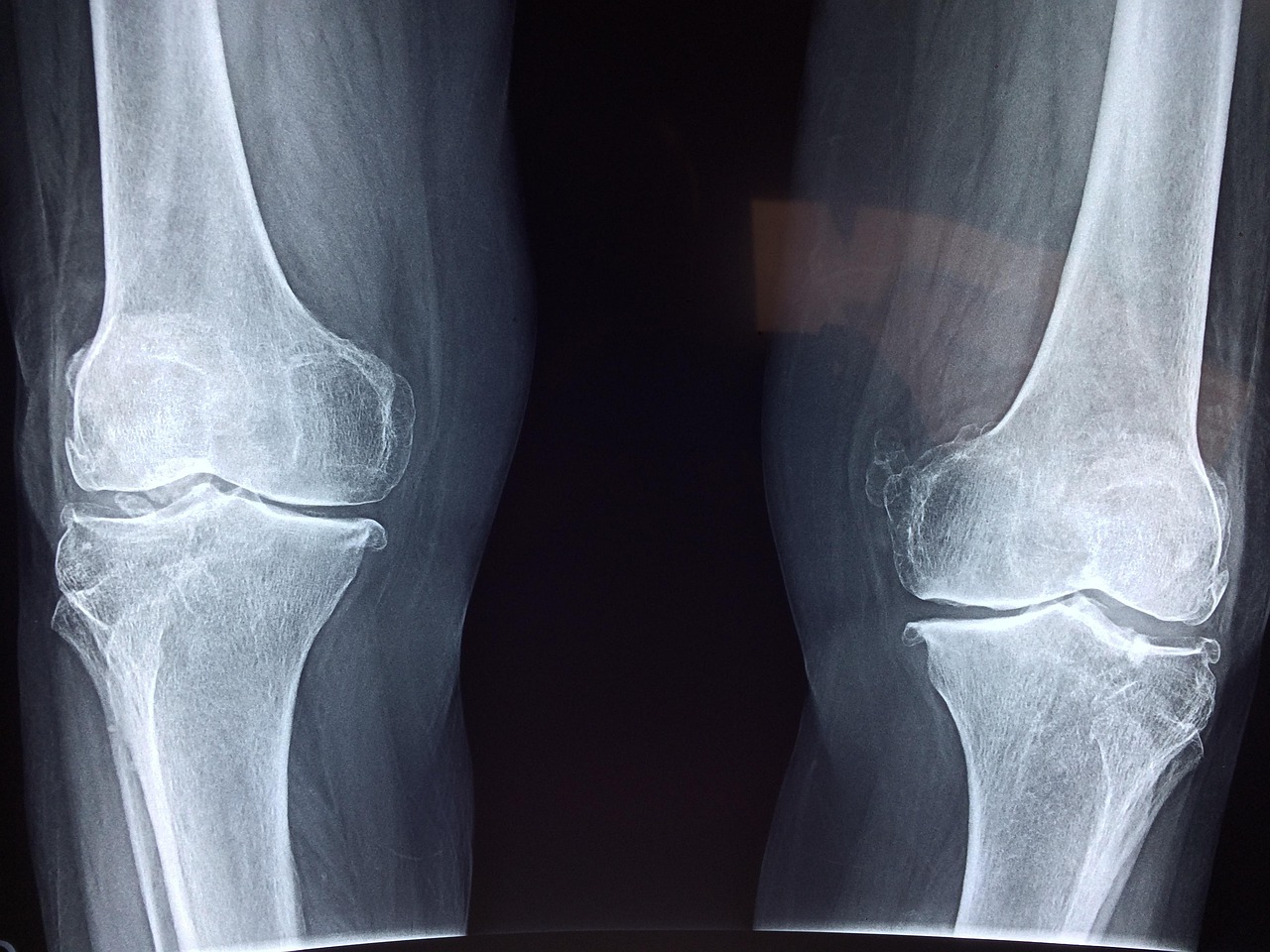
Tell us everything, even the chiropractor visit and the back brace you bought online that’s now in the closet. Next you’ll touch your toes, arch your back, and twist. A little rubber hammer comes out for your knees and ankles, and we’ll have you push against our hands. An MRI on the first day is pretty rare. It’s on the table if your foot is going numb or a leg feels weak. Any old scans you’ve had are worth bringing along.
Going Slow on Purpose
Week one might be nothing more than walking and a couple of gentle stretches on the floor. That’s on purpose. Then come bridges, bird dogs, and hip work, because your glutes and belly muscles are what keep the spine from taking every bump. Stiff spots get loosened by hand. You’ll also get grilled about your recliner and how you lift the forty-pound bag of dog food. A pinched nerve that’s really fired up sometimes needs a shot to settle it. Surgery is way down the list, and by six to eight weeks most backs feel noticeably better.
If back or neck pain has hung around too long, call Modern Medicine of Sun Lakes, AZ. We’ll help you sort out the next step.