 When Rest Stops Being the Answer
Most joint pain gets self-managed first. Ice, ibuprofen, and a few days off whatever aggravated it. For minor irritation, that works fine.
It stops working when the pain keeps coming back after activity resumes, is worse than it was three weeks ago, or has started limiting things that were never a problem before. At that point, rest is not a treatment but a delay.
Pain That Changes How You Move
Favoring one side on the stairs. Shortening the stride on a painful hip. Avoiding overhead reach because the shoulder has a range that ends too early. These feel like reasonable adjustments. They are also quietly loading other structures unevenly and setting up problems nobody sees coming until they arrive.
By the time compensation patterns are noticeable, the original problem has usually been present long enough that it will not be resolved without a real plan behind it.
Recurring Pain After Activity
The knee that swells after every long walk. The shoulder that aches for two days after anything overhead. The hip that tightens on a hike and needs a full day to recover.
These are not random flare-ups. They are a pattern. The joint is signaling that the load being placed on it exceeds what it can handle and recover from right now. That gap does not close on its own.
What the Evaluation is Looking For
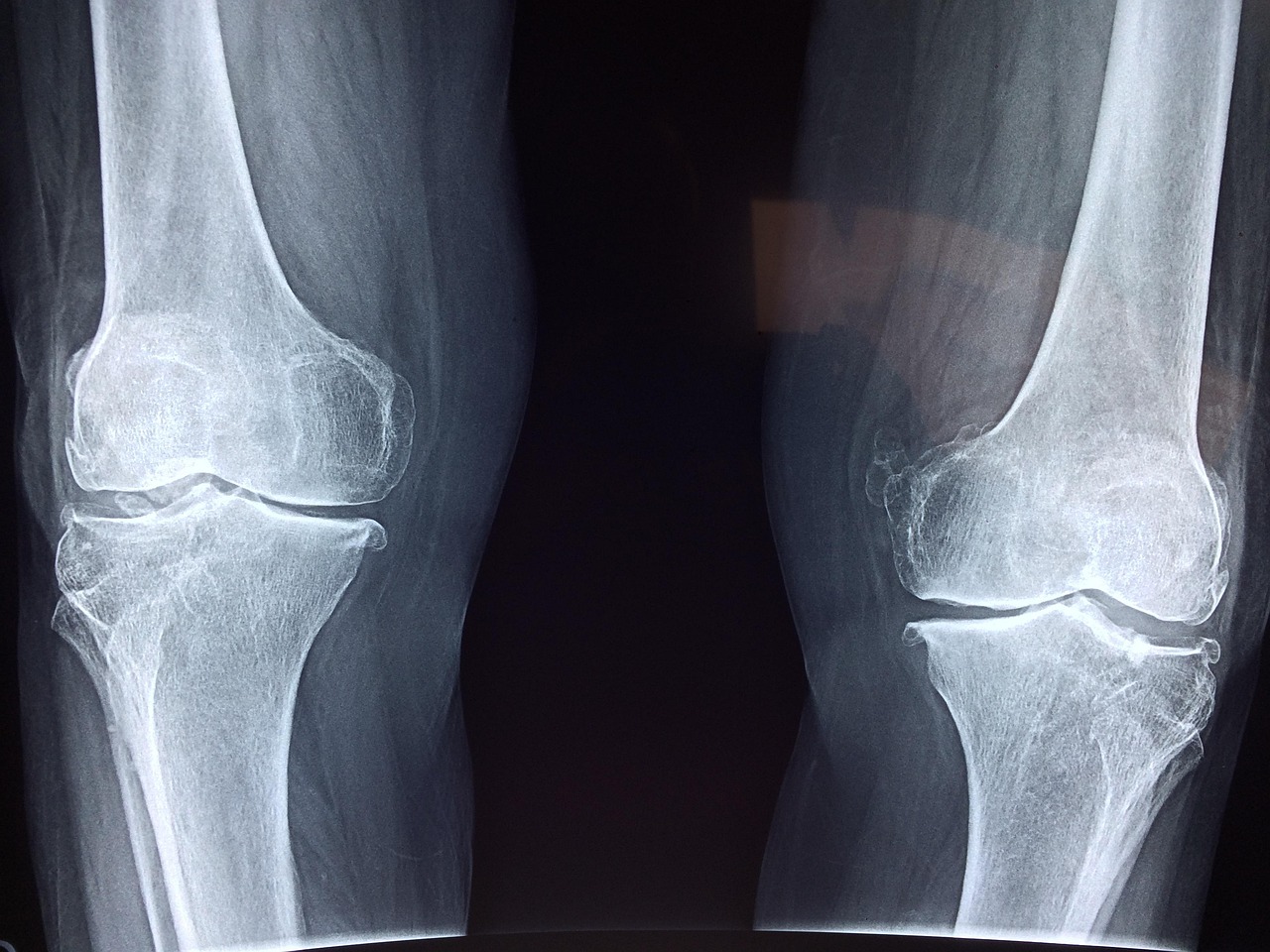
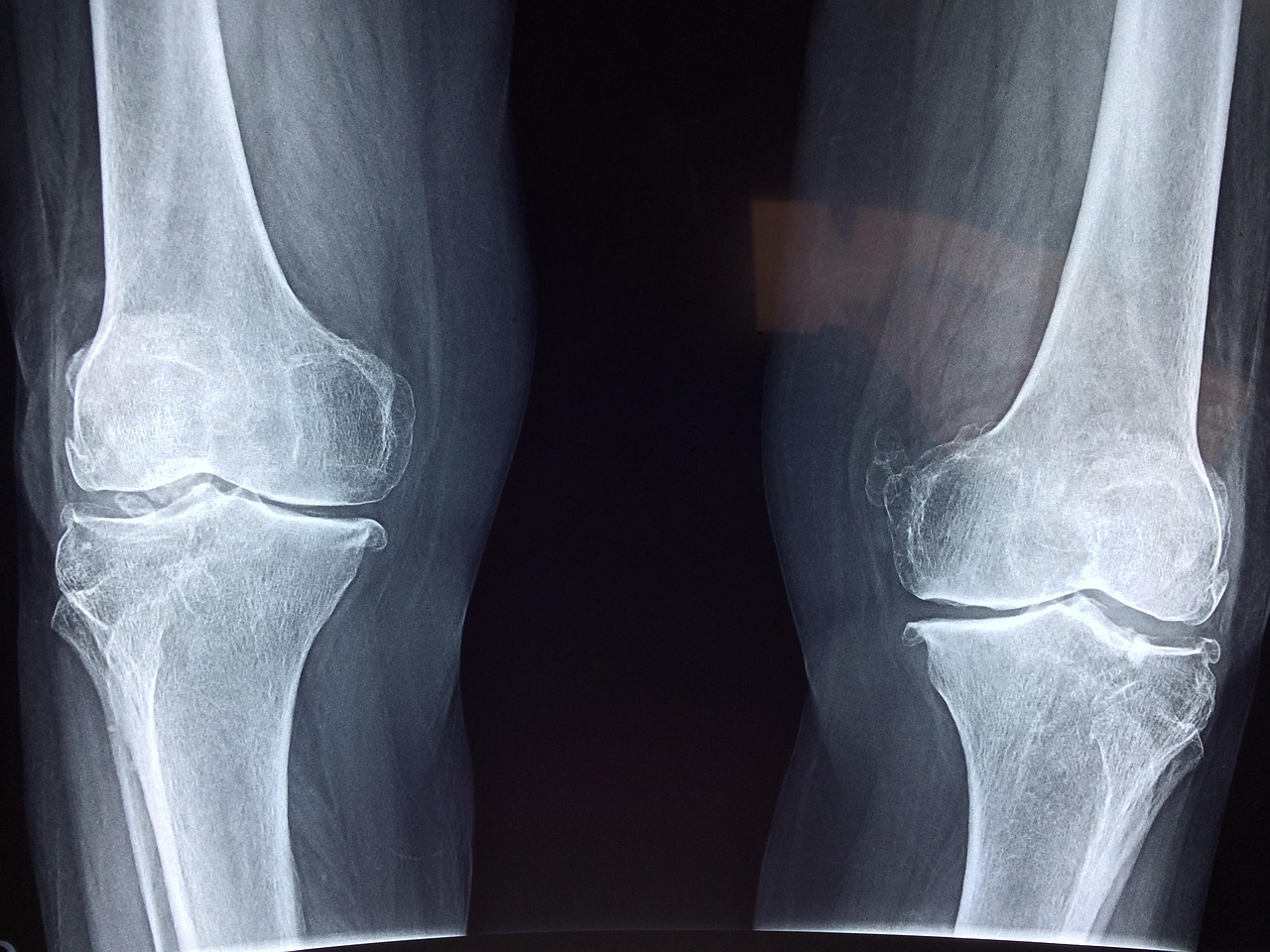
Range of motion, strength testing, movement analysis, and a detailed history of how the pain behaves day to day. Imaging gets added when it would change the plan.
Two patients with the same diagnosis can be in completely different functional situations. One is managing with modifications. The other cannot get through a workday. The evaluation separates those pictures and builds a plan around what is actually going on rather than what the label on the diagnosis suggests.
What Treatment Can Look Like
Non-surgical orthopedic care covers a lot of ground depending on what the evaluation finds:
- Physical therapy to address muscle weakness and movement faults, loading the joint unevenly
- Manual therapy to restore mobility lost to stiffness or tissue restriction
- Corticosteroid injections when inflammation is the primary barrier to progress
- Hyaluronic acid injections when joint lubrication is the bigger issue
- PRP for conditions where tissue repair is the goal rather than symptom management
- A structured home program keeps progress moving between appointments
Waiting Usually Makes It Harder
Early joint problems have more options than those left alone for a year or two. Compensation patterns get more entrenched. Muscle weakness compounds. The window for non-surgical care narrows.
Joint pain that has been limiting daily life deserves more than another round of rest and ibuprofen. Reach out to Modern Medicine of Southeast Tucson, AZ, to get an orthopedic evaluation on the calendar.