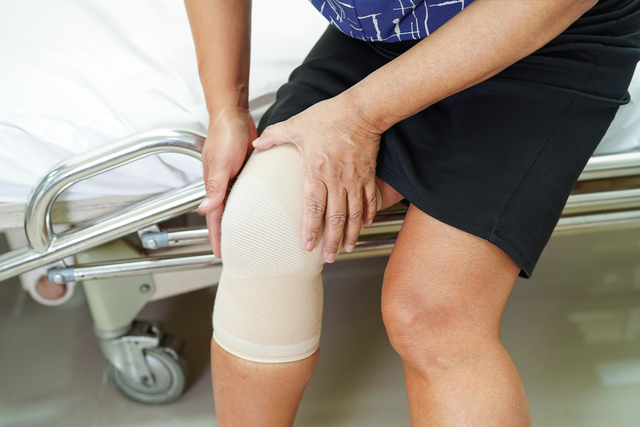
 The Injury That Keeps Coming Back
Most recurring injuries are not bad luck. The hamstring that pulls every few months. The ankle that rolls on anything other than flat ground. The knee flares up every time training load increases. These are patterns. And patterns have reasons.
Something was not addressed the first time. The tissue healed, but the weakness that was caused by loading it incorrectly is still there. The movement fault that caused the original injury is still running on every rep. The proprioceptive deficit left behind by the first ankle sprain is still making the joint unreliable on uneven ground.
Recurring injuries are almost always incomplete recoveries from a previous one.
What Sports Medicine Looks For
A sports medicine provider does not just treat the current injury. A proper evaluation looks at what is setting it up.
Strength deficits that leave a joint without adequate support during activity. Movement patterns that load specific structures unevenly across hundreds of repetitions. Old injuries that left behind muscle inhibition, reduced joint awareness, or altered mechanics that nobody addressed because the pain went away.
For active patients in Tucson, whether that means hiking the Rincon Mountain trails, playing recreational sports, or a physical job that demands consistent output, the gap between what the body is being asked to do and what it is actually capable of handling is where setbacks live.
What Usually Gets Missed
A grade two ankle sprain gets rested until pain-free. The proprioceptive deficit, the joint's reduced ability to sense position accurately, never gets addressed. The ankle rolls again three months later, doing something it should have handled easily.
A hamstring strain settles down after two weeks of rest. Eccentric strength through the full range never gets restored. The scar tissue that formed during healing is stiffer than the original fiber. The next hard sprint tears it again at the same spot.
A shoulder impingement gets treated with an injection and some rotator cuff exercises. The scapular control problem driving the mechanics that caused the impingement stays in place. Six months later, the same shoulder is back to the same pain.
What Prevention Involves
Identifying specific deficits and correcting them before they lead to the next injury.
That means:
- Strength testing to find the muscle groups that are insufficient for the activity demand
- Movement screening to identify the patterns putting structures under repeated uneven load
- Proprioceptive and neuromuscular assessment for joints that have a history of injury
- Load management guidance that matches training demand to what the tissue can actually handle and recover from
This is a specific response to what the assessment finds in that patient for that activity.
When to Come In
Before the third time the same thing happens is the obvious answer. But earlier is better.
After a first significant injury, once the acute phase has settled, a sports medicine evaluation identifies what the injury left behind and what needs to happen before full return to activity. That single step prevents a large percentage of recurring injuries.
Active patients in Tucson who have noticed a pattern, the same spot, the same situation, the same few weeks of limitation followed by returning to normal, are describing something that has an addressable cause.
If an injury keeps coming back, please contact Modern Medicine of Southeast Tucson, AZ, to schedule a sports medicine evaluation and let us help you move forward with fewer issues.