 What Gets in the Way of Normal Movement
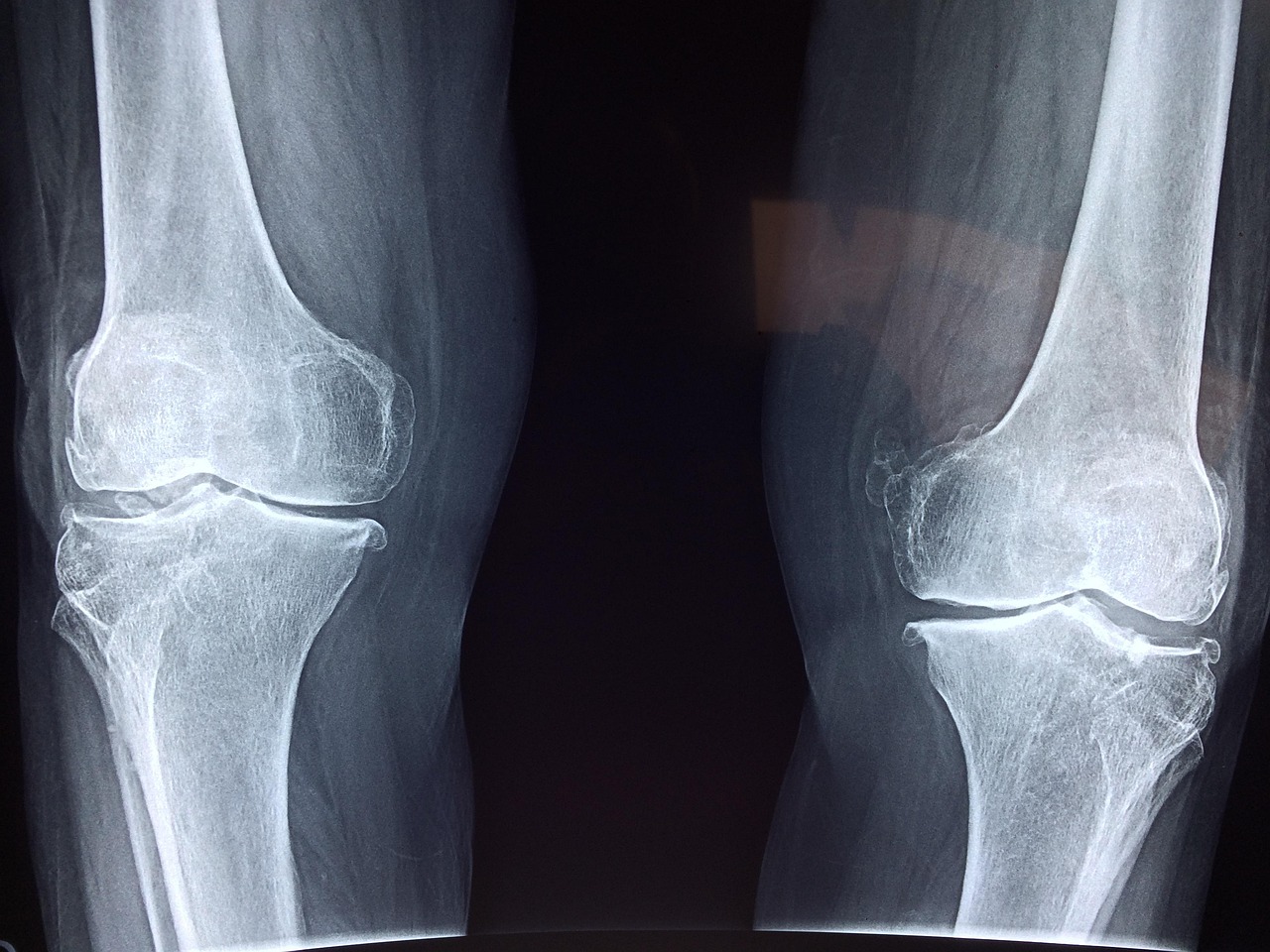
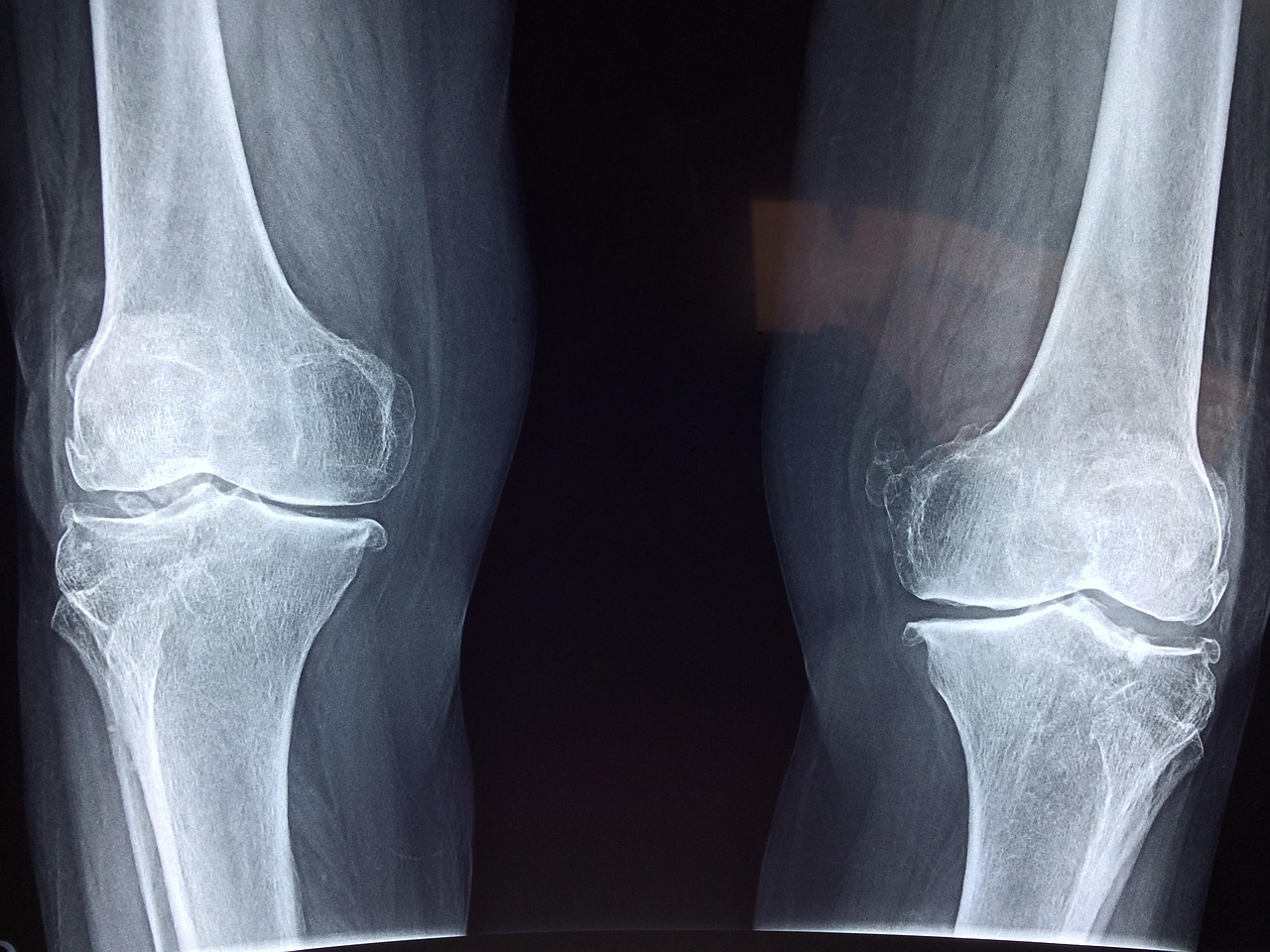
Mobility problems rarely have one cause. A hip that lost range after months of desk work. A shoulder that stiffened after an injury that nobody properly treated. A knee that has been moving around with pain for so long, the compensated pattern stuck around after the pain left.
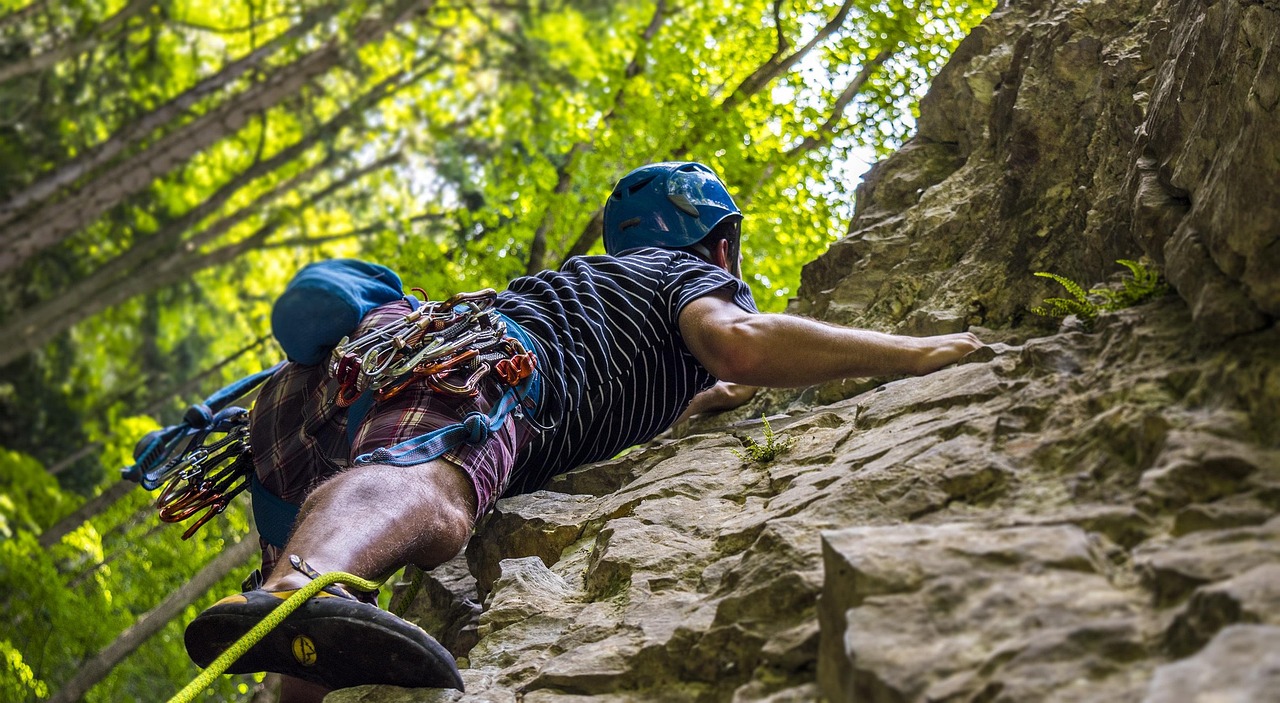
Most people adjust around these things without realizing how much ground they have given up. They stop reaching that high. They take the elevator. They get out of the car more carefully than they used to. The adjustments pile up quietly.
Manual Therapy
Joints that have stiffened from disuse, injury, or capsular tightening do not always respond to stretching and exercise alone.
Manual therapy works directly on the joint and surrounding tissue. Mobilization restores movement at the joint level. Soft tissue work addresses the muscle and fascial restrictions limiting range and altering how the joint loads. For patients dealing with stiff hips, restricted shoulder movement, or a knee that will not fully bend, manual therapy tends to produce faster early progress and makes the exercise work that follows more effective.
Therapeutic Exercise
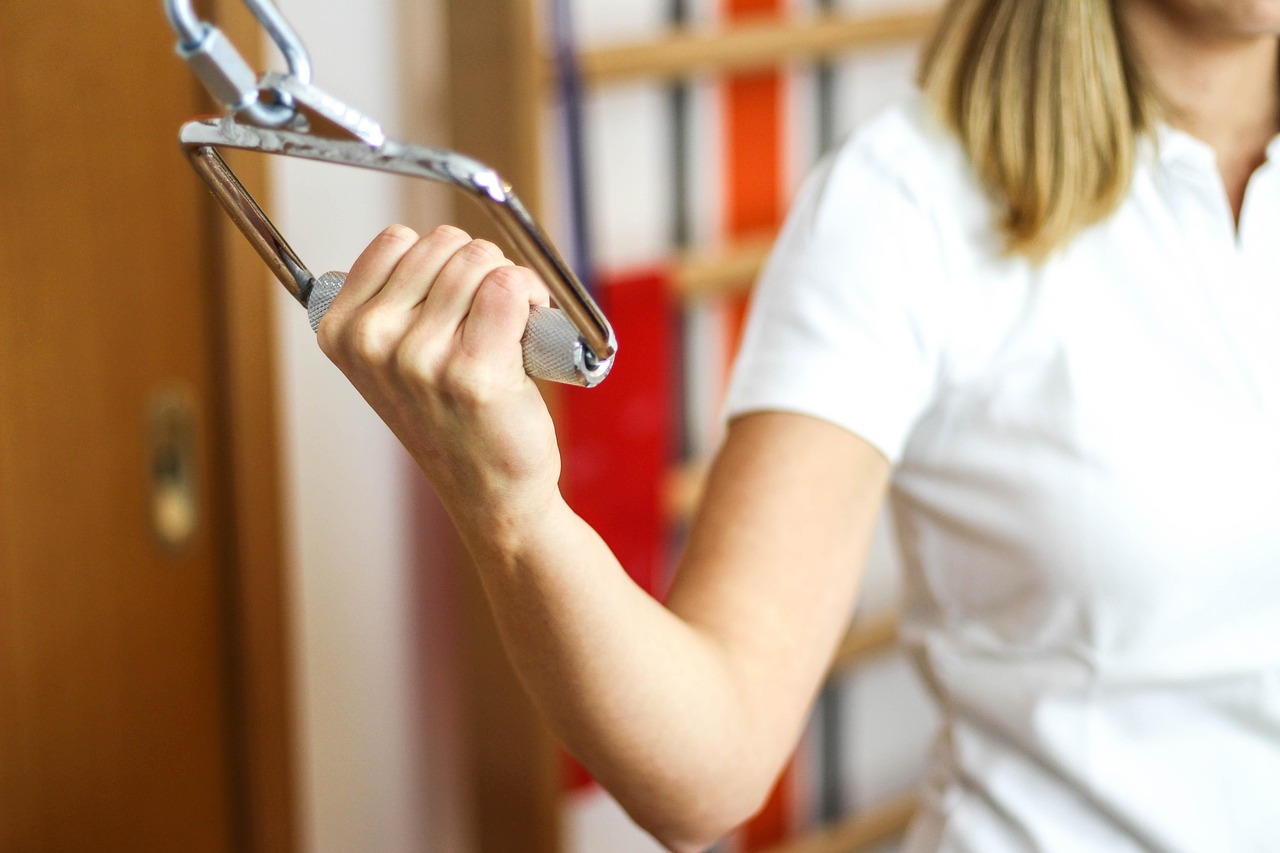
Targeted exercise works on the specific muscles that are weak, inhibited, or firing at the wrong time. Hip and glute work for patients whose mobility is limited by muscle imbalance rather than joint stiffness. Rotator cuff and scapular work for shoulders that have lost overhead range. Progressive loading through the full available range drives the nervous system to accept and maintain that range between sessions.
Dry Needling
Muscle tension that contributes to restricted mobility does not always respond to surface work.
Dry needling reaches trigger points and areas of deep tension that limit range and alter movement patterns. For patients with chronic muscle guarding around a stiff or painful joint, it reduces that tension and allows more movement in the sessions that follow. Particularly useful when mobility has been limited long enough that secondary muscle tightness has built up around the original problem.
Gait and Movement Retraining
How the body uses mobility during walking and daily tasks matters as much as how far the joint moves in isolation.
Compensation patterns that developed around an old injury tend to persist long after the injury resolves. A limp that became a habit. A stair pattern avoiding a full knee bend. A walking pattern that rotates the pelvis to get around a stiff hip. Gait retraining addresses these directly and improves mobility in functional terms rather than just on a treatment table measurement.
Vestibular Rehabilitation
For patients whose mobility is restricted by dizziness or balance problems, vestibular rehab addresses the inner ear and processing components affecting how freely and confidently they move.
Dizziness that limits head movement, vertigo that makes certain positions difficult, and balance problems that cause patients to restrict their activity all respond to specific vestibular protocols. Restoring that system opens up movement that fear and instability had been quietly limiting.
Getting the Right Services in Tucson
If movement has been getting harder or more restricted, reach out to our team at Modern Medicine of Southeast Tucson, AZ, to schedule a physical therapy evaluation and learn more about how we can help.
What Gets in the Way of Normal Movement
Mobility problems rarely have one cause. A hip that lost range after months of desk work. A shoulder that stiffened after an injury that nobody properly treated. A knee that has been moving around with pain for so long, the compensated pattern stuck around after the pain left.
Most people adjust around these things without realizing how much ground they have given up. They stop reaching that high. They take the elevator. They get out of the car more carefully than they used to. The adjustments pile up quietly.
Manual Therapy
Joints that have stiffened from disuse, injury, or capsular tightening do not always respond to stretching and exercise alone.
Manual therapy works directly on the joint and surrounding tissue. Mobilization restores movement at the joint level. Soft tissue work addresses the muscle and fascial restrictions limiting range and altering how the joint loads. For patients dealing with stiff hips, restricted shoulder movement, or a knee that will not fully bend, manual therapy tends to produce faster early progress and makes the exercise work that follows more effective.
Therapeutic Exercise
Targeted exercise works on the specific muscles that are weak, inhibited, or firing at the wrong time. Hip and glute work for patients whose mobility is limited by muscle imbalance rather than joint stiffness. Rotator cuff and scapular work for shoulders that have lost overhead range. Progressive loading through the full available range drives the nervous system to accept and maintain that range between sessions.
Dry Needling
Muscle tension that contributes to restricted mobility does not always respond to surface work.
Dry needling reaches trigger points and areas of deep tension that limit range and alter movement patterns. For patients with chronic muscle guarding around a stiff or painful joint, it reduces that tension and allows more movement in the sessions that follow. Particularly useful when mobility has been limited long enough that secondary muscle tightness has built up around the original problem.
Gait and Movement Retraining
How the body uses mobility during walking and daily tasks matters as much as how far the joint moves in isolation.
Compensation patterns that developed around an old injury tend to persist long after the injury resolves. A limp that became a habit. A stair pattern avoiding a full knee bend. A walking pattern that rotates the pelvis to get around a stiff hip. Gait retraining addresses these directly and improves mobility in functional terms rather than just on a treatment table measurement.
Vestibular Rehabilitation
For patients whose mobility is restricted by dizziness or balance problems, vestibular rehab addresses the inner ear and processing components affecting how freely and confidently they move.
Dizziness that limits head movement, vertigo that makes certain positions difficult, and balance problems that cause patients to restrict their activity all respond to specific vestibular protocols. Restoring that system opens up movement that fear and instability had been quietly limiting.
Getting the Right Services in Tucson
If movement has been getting harder or more restricted, reach out to our team at Modern Medicine of Southeast Tucson, AZ, to schedule a physical therapy evaluation and learn more about how we can help.
Tucson, AZ - What Local Physical Therapy Services Can Improve Daily Mobility
SYNOPSIS: This article covers physical therapy services for daily mobility, including what limits movement, which treatments address it, and how to move better through everyday life.
PT Services That Restore and Increase Daily Mobility
BY: Josh Adams, Modern Medicine of South East Tucson, AZ
What Gets in the Way of Normal Movement
Mobility problems rarely have one cause. A hip that lost range after months of desk work. A shoulder that stiffened after an injury that nobody properly treated. A knee that has been moving around with pain for so long, the compensated pattern stuck around after the pain left.
Most people adjust around these things without realizing how much ground they have given up. They stop reaching that high. They take the elevator. They get out of the car more carefully than they used to. The adjustments pile up quietly.
Manual Therapy
Joints that have stiffened from disuse, injury, or capsular tightening do not always respond to stretching and exercise alone.
Manual therapy works directly on the joint and surrounding tissue. Mobilization restores movement at the joint level. Soft tissue work addresses the muscle and fascial restrictions limiting range and altering how the joint loads. For patients dealing with stiff hips, restricted shoulder movement, or a knee that will not fully bend, manual therapy tends to produce faster early progress and makes the exercise work that follows more effective.
Therapeutic Exercise
Targeted exercise works on the specific muscles that are weak, inhibited, or firing at the wrong time. Hip and glute work for patients whose mobility is limited by muscle imbalance rather than joint stiffness. Rotator cuff and scapular work for shoulders that have lost overhead range. Progressive loading through the full available range drives the nervous system to accept and maintain that range between sessions.
Dry Needling
Muscle tension that contributes to restricted mobility does not always respond to surface work.
Dry needling reaches trigger points and areas of deep tension that limit range and alter movement patterns. For patients with chronic muscle guarding around a stiff or painful joint, it reduces that tension and allows more movement in the sessions that follow. Particularly useful when mobility has been limited long enough that secondary muscle tightness has built up around the original problem.
Gait and Movement Retraining
How the body uses mobility during walking and daily tasks matters as much as how far the joint moves in isolation.
Compensation patterns that developed around an old injury tend to persist long after the injury resolves. A limp that became a habit. A stair pattern avoiding a full knee bend. A walking pattern that rotates the pelvis to get around a stiff hip. Gait retraining addresses these directly and improves mobility in functional terms rather than just on a treatment table measurement.
Vestibular Rehabilitation
For patients whose mobility is restricted by dizziness or balance problems, vestibular rehab addresses the inner ear and processing components affecting how freely and confidently they move.
Dizziness that limits head movement, vertigo that makes certain positions difficult, and balance problems that cause patients to restrict their activity all respond to specific vestibular protocols. Restoring that system opens up movement that fear and instability had been quietly limiting.
Getting the Right Services in Tucson
If movement has been getting harder or more restricted, reach out to our team at Modern Medicine of Southeast Tucson, AZ, to schedule a physical therapy evaluation and learn more about how we can help.