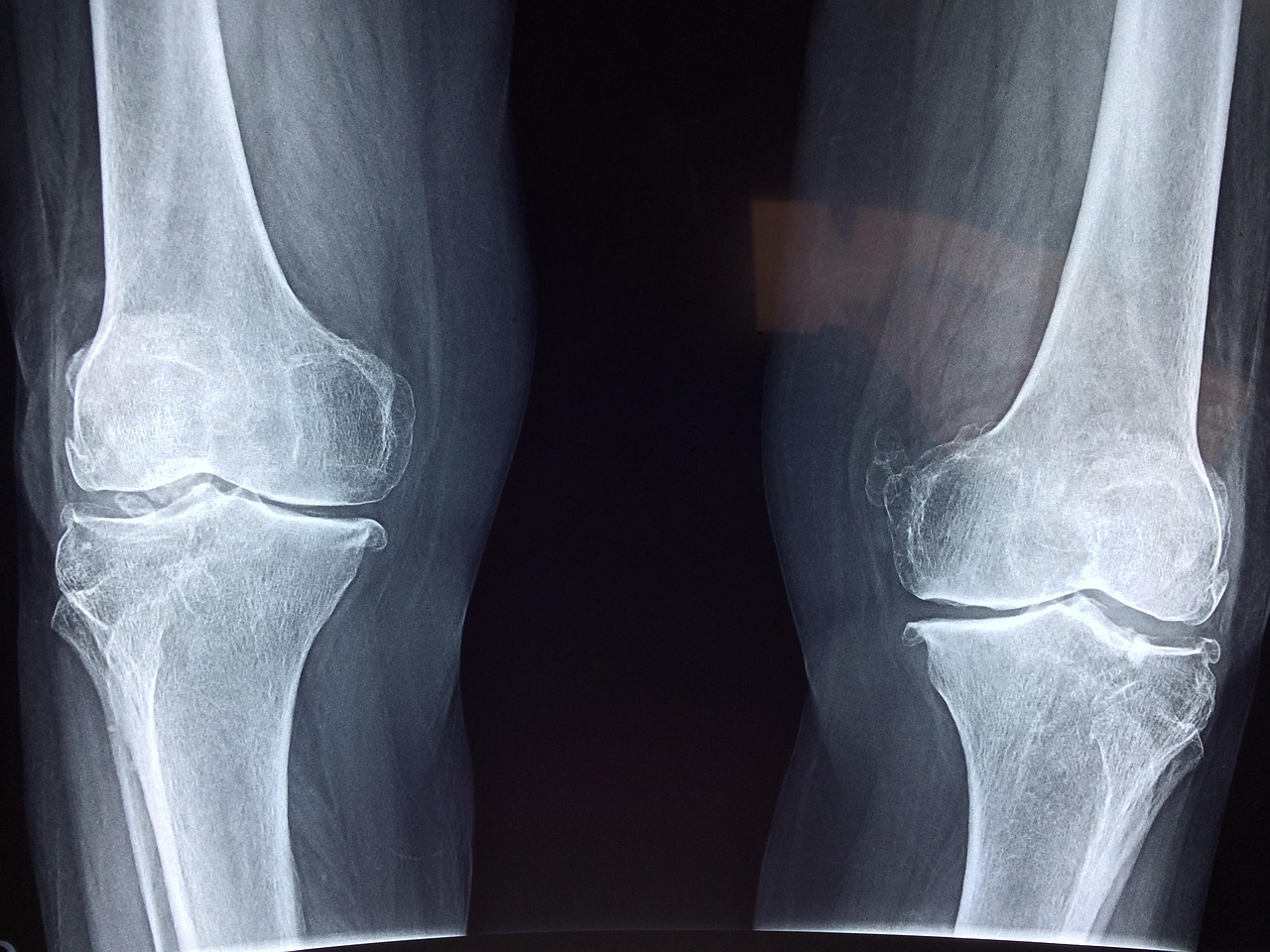
 What Ligaments And Tendons Do InThe Knee
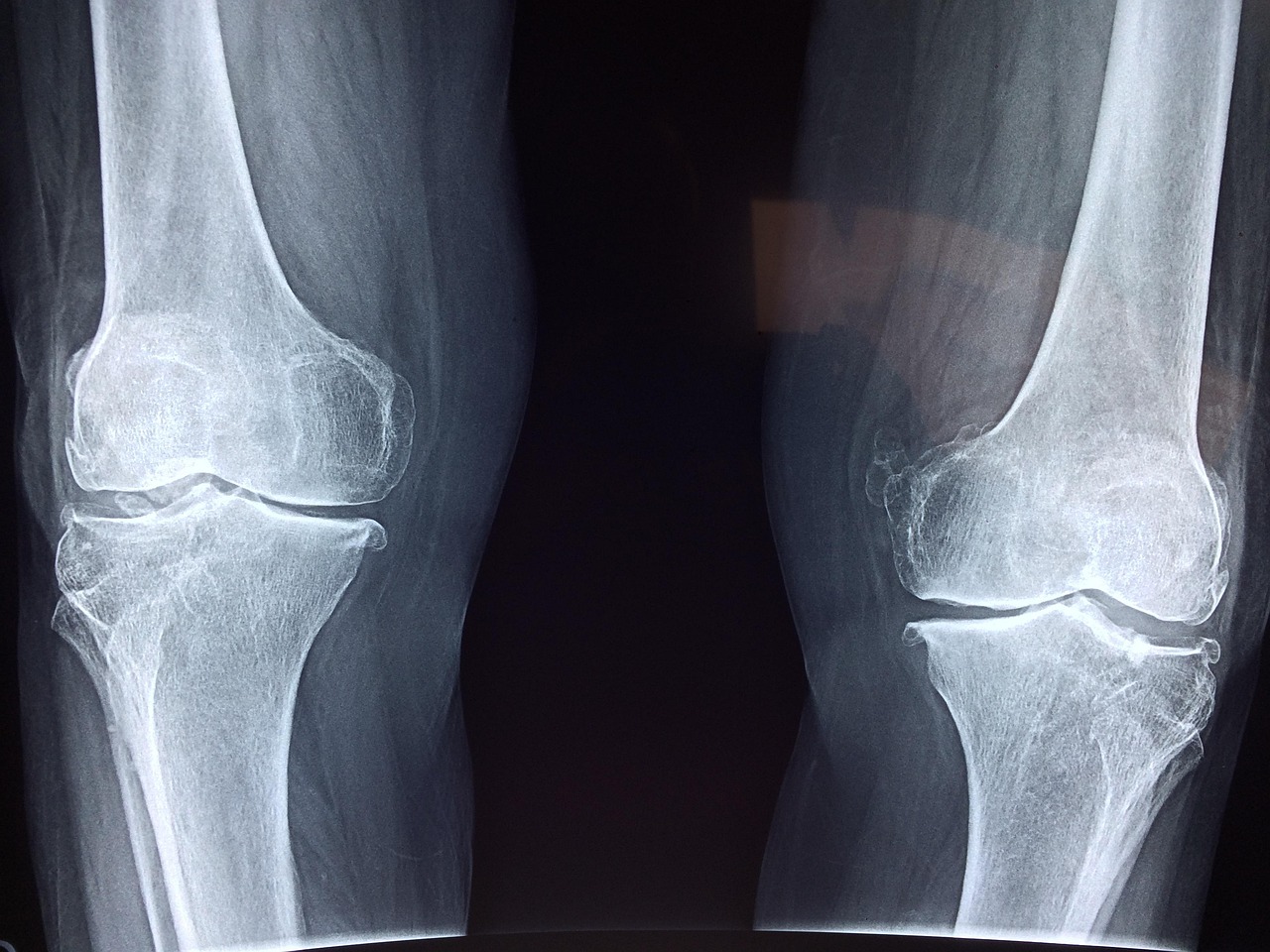
Ligaments connect bone to bone and keep the knee steady. Tendons connect muscles to bones and drive movement. A ligament problem often feels like the knee shifts or gives way. A tendon problem often feels sharp with stairs or sore after activity. Pain may sit below the kneecap, along the outer knee, or near the hamstring side. Swelling can show up the same day, then stiffness follows the next morning.
How These Problems Start In Real Life
Many cases start after a load change. A person adds two extra walking days per week. A quick twist during a curb step can strain a ligament. A long drive with the knee bent can flare a tendon, then the first steps feel rough. Work changes matter too. More ladder use, more stair trips, or longer standing can push the knee past its current capacity.
How Knee Pain Changes Daily Routines
Knee issues change small decisions all day. You avoid stairs and look for ramps. You brace on the steering wheel while getting out of the car. You shift weight to the other leg while doing dishes. You skip floor time with kids or pets. Sleep can get choppy after a day with many steps. These changes add strain to the hips and lower back over time.
Signs You Should Book PT Soon
Book a visit once the knee repeats the same pattern for more than 7 to 10 days. Seek care once the knee limits normal tasks, even on quiet days.
- Pain returns during stairs, hills, or downhill walks
- The knee feels unstable during turns or quick stops
- Swelling shows up after errands or yard work
- Sitting for 30 to 60 minutes triggers stiffness
- Squats, kneeling, or getting off the floor feel risky
- One leg feels weaker during step-ups or standing
What PT Does During Treatment
Your therapist starts with a hands-on exam and movement testing. They check swelling, range of motion, strength, and balance. They watch how the hip and ankle guide the knee. They test tasks like step downs, sit-to-stand, and single-leg balance. Treatment targets the driver, not the pain spot alone. Tendon care uses paced loading that builds tissue tolerance over weeks. Ligament-related care builds control and confidence with balance drills and direction changes.
Urgent Red Flags That Need Medical Care
Some knee symptoms need urgent evaluation. Seek urgent care right away when the knee fails basic safety checks. These signs point to a problem that needs imaging or a medical exam first.
- You cannot bear weight after an injury
- Swelling grows fast within 2 to 6 hours
- The knee locks and will not straighten
- You have a fever with knee warmth and redness
- New numbness spreads down the leg
Modern Physical Therapy & Sports Medicine of South East Tucson, AZ can evaluate your knee, test strength and control, and map a step-by-step plan for you. Call the clinic today and ask for an orthopedic evaluation for knee ligament or tendon pain.