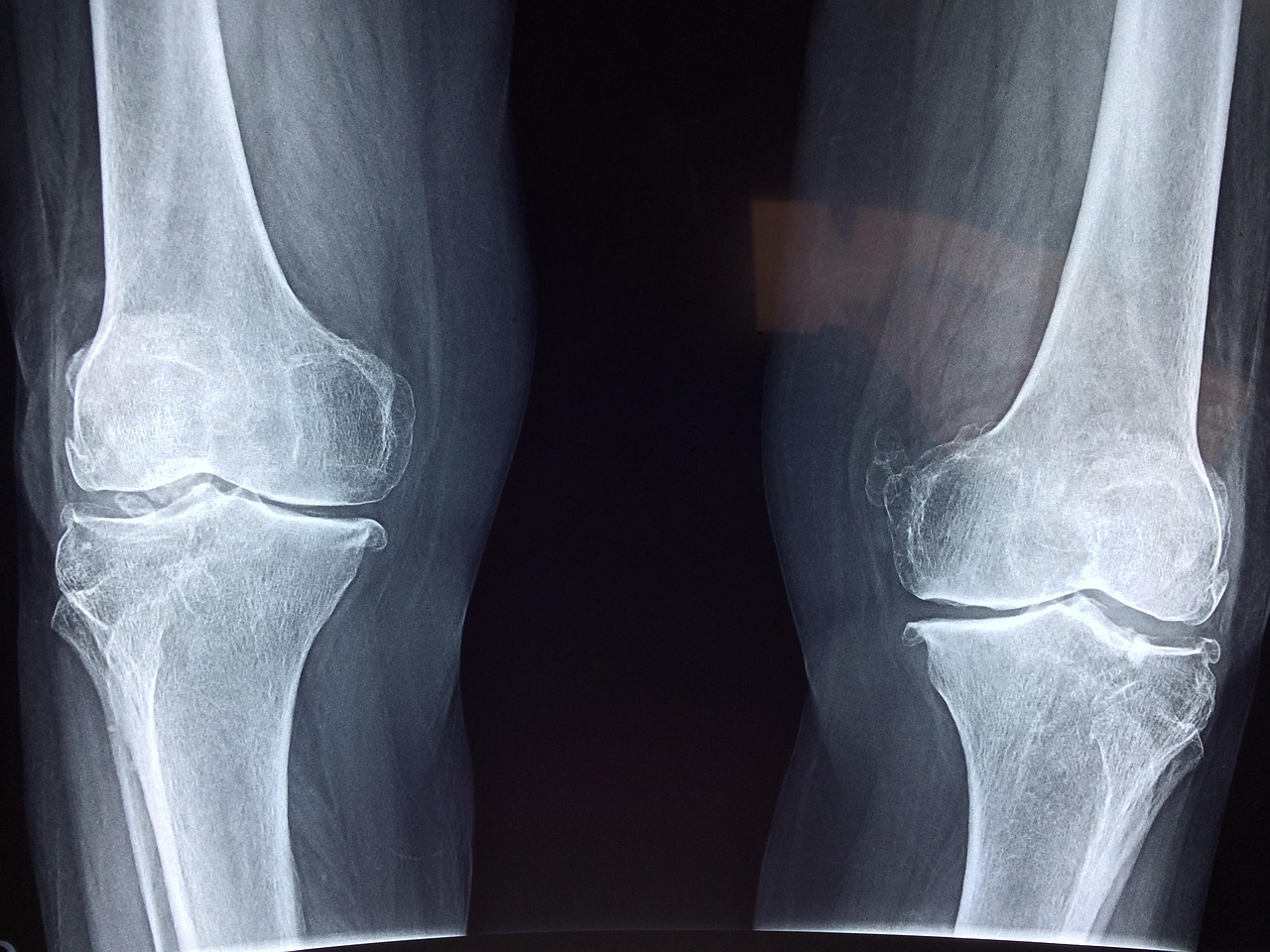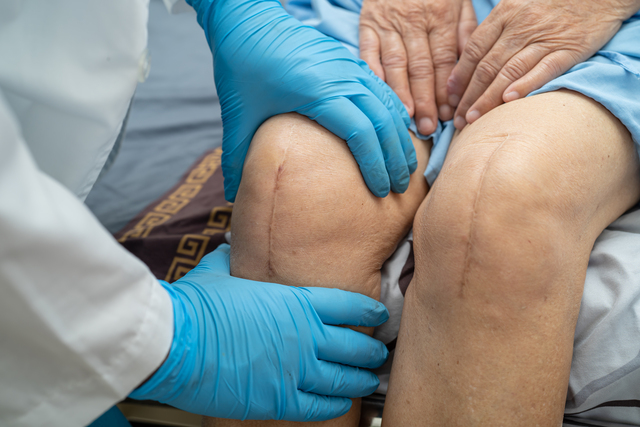
Joint replacement often brings relief, yet the early phase can feel unsettling. The joint feels new, swollen, and stiff. Sleep can get choppy. Getting up from a chair takes planning. Many people feel sore in places they did not expect, like the opposite hip or low back. Your body is learning a new pattern, and swelling changes the way everything moves.
What “Normal” Looks Like Early On
Early recovery often comes in short wins. You walk a little farther. You sit with less strain. Then you have a day that feels slower. That up-and-down pattern is common. Pain can fade faster than stiffness. Energy can drop fast after a short outing. That does not mean something went wrong. It means your system is still healing and adapting.
What Rehab Focuses On In Weeks One Through Three
The early phase centers on swelling control, safe motion, and basic strength. It also centers on habits. Many people guard without noticing. They hold their breath when they stand. They shift the weight off the surgical side. Those habits can slow progress and irritate other joints. Rehab helps you move with better support so you do not build a limp that sticks.
What Your Therapy Visits Usually Include
Your therapist checks how you walk, how you stand up, and how the joint moves today. Treatment then matches that day. Sessions often include hands-on work, guided motion, and strength that stays within your surgeon’s precautions.
- Swelling and stiffness strategies you can repeat at home
- Range of motion work tied to safe joint positions
- Strength training for the hips, thighs, and core
- Gait training so you walk without a long-term limp
- Practice with stairs, curbs, and getting in and out of a car
- A short home plan that feels doable
What You Should Do Between Visits
Recovery happens at home, not just in the clinic. Small choices add up. A short walk at the right time often beats one big push. Sitting too long can stiffen the joint. Doing too much on a good day can spike swelling the next day. Your home plan gives structure, and your therapist adjusts it based on what your body does after real life, like errands, chores, and work demands.
Why Some People Put it Off
Stalls usually come from a few common problems. A limp that never gets corrected. Skipping strength work and only stretching. Doing a lot on good days, then resting hard after flare-ups. Poor sleep can also slow recovery. Rehab gives you feedback and changes the plan, so you keep moving forward.
- Pain drops, but strength stays behind
- Walking stays uneven after fatigue sets in
- Range of motion work gets skipped on busy days
- Swelling stays high after long outings
- Balance stays shaky during turns or stairs
Schedule Post-Surgical Rehab Today
For clear guidance and steady progress after joint replacement, consider scheduling a visit with Modern Physical Therapy & Sports Medicine of South East Tucson, AZ.