 The Core Is Not Just Abs
In PT, “core” means the muscles that keep your trunk and pelvis steady while your legs move. It’s what helps you stay upright when you carry groceries, step into a car, or turn to reach a shelf. A lot of people have strength but don’t have control. They can do one good rep, then lose it when they repeat the movement or add a second task. Balance depends on that control. It also depends on ankle motion, hip strength, vision, and how your head moves. It’s a team effort.
The Common Trouble Spots People Mention First
These are the situations patients bring up again and again, even when they have different ages and different stories:
- Stairs feel harder, especially going down
- Curbs and uneven sidewalks need extra focus
- Turning quickly makes you pause or grab something
- Getting up from a chair feels slow or shaky
- Walking on grass or gravel feels risky
- Carrying something while walking throws you off
What We Look At in a Balance Visit
A good evaluation is practical. We watch you walk, turn, and change direction. We look at how you step and how you recover when you shift your weight. We check hip strength, ankle mobility, and foot stability because those pieces often drive the “wobble.” We also pay attention to how you breathe and brace. People who hold their breath during movement often feel more unstable. If you’ve had a fall, we talk through the details, like where it happened, what you were doing, and what made it hard to recover.
How PT Builds Balance, Core Strength, and Mobility Together
Balance training works better when it matches real life. If your ankles are stiff, we open up that motion so your steps stop feeling short and careful. If your hips are weak, we build strength so your legs support you instead of your back taking over. If your trunk control is late, we train it during standing tasks, not only on a mat. We also practice the things you avoid, like turning, stepping over objects, and walking while carrying weight. The point is steady exposure, not “testing” you. You should feel challenged, but not rattled.
What Your PT Plan May Include
Your plan depends on what we find, but these are common building blocks that help people get steadier:
- Hip and ankle mobility work to improve step quality
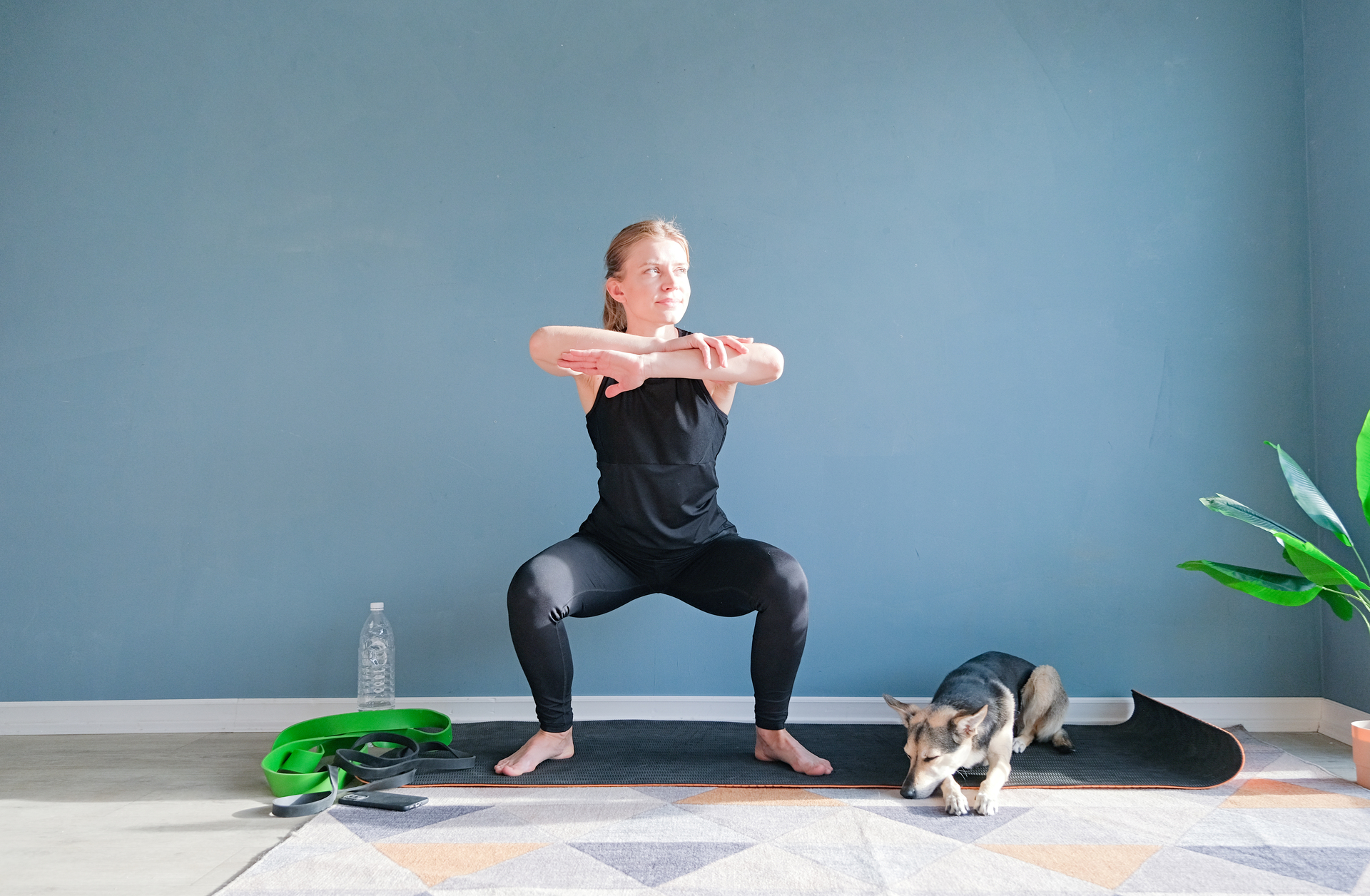
- Core control drills during standing, reaching, and walking
- Leg strengthening for stairs, curbs, and longer walks
- Balance progressions from stable surfaces to uneven ones
- Gait work to improve step length and pace
- Simple home practice that fits your week
What Progress Usually Feels Like
Progress shows up in small moments. You turn in the kitchen and don’t reach for the counter. You step off a curb and feel solid. You get up from a chair without the extra pause. You walk farther before fatigue changes your form. Some days still feel off, especially if you slept poorly or sat a lot, but the recovery gets faster. You also stop thinking about your feet every second.
Reach out and schedule an appointment with Modern Physical Therapy & Sports Medicine of South East Tucson, AZ. We’ll pinpoint what’slimiting your balance, core control, and mobility, then build a plan you can follow without turning your life upside down.