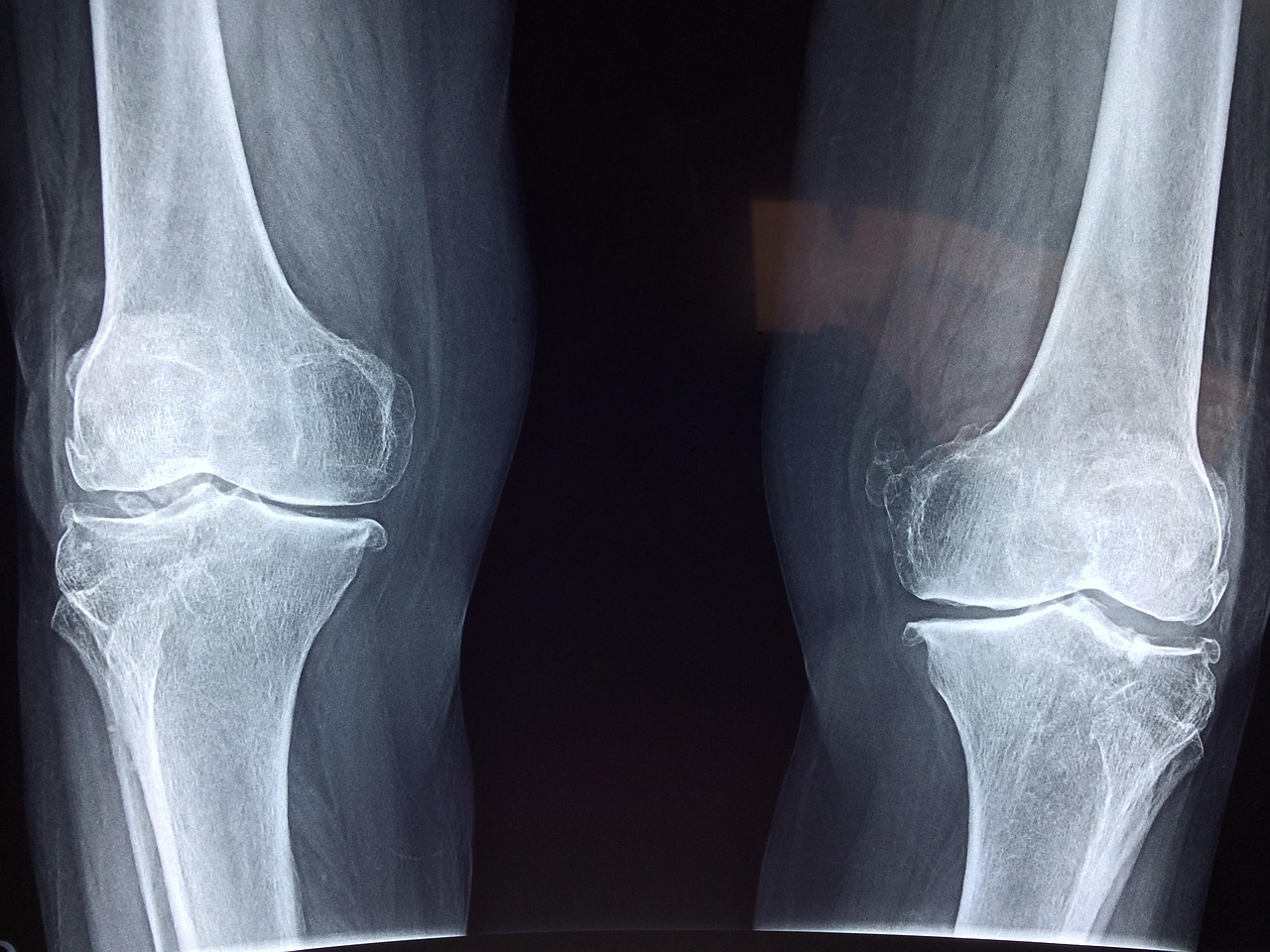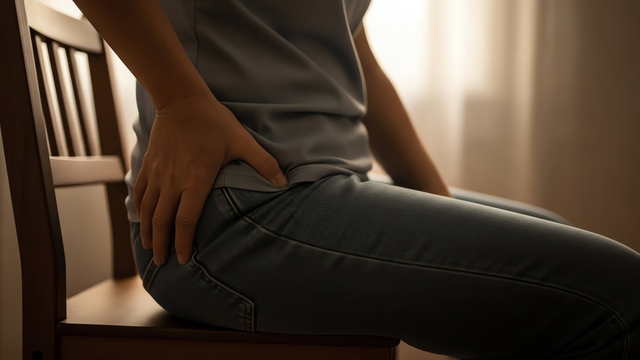
Most people don’t come in saying, “I injured my hip.” They come in saying things like, “It just feels off,” or “I don’t trust that leg anymore.” Hip pain often starts as stiffness when standing up or an awkward step getting out of the car. It might feel deep in the groin one day and more on the outside of the hip the next. Early on, the pain comes and goes. That makes it easy to ignore until you realize you’ve been adjusting how you move without thinking about it.
Why Hip Pain Often Doesn’t Resolve on Its Own
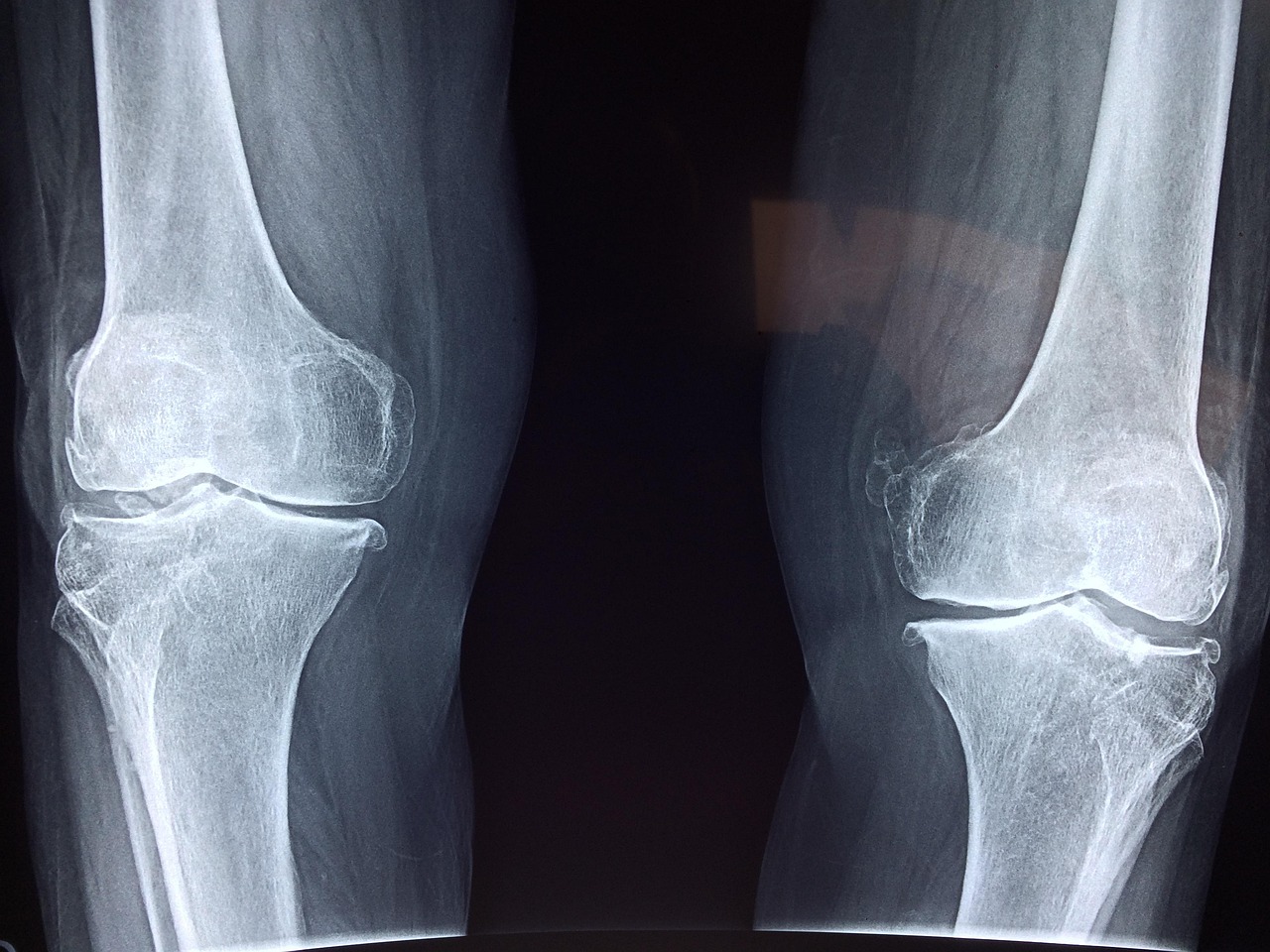
The hip works constantly. Every step, every turn, every shift of weight runs through it. When joint surfaces get irritated or the muscles around the hip stop sharing the load, pain tends to hang around. Arthritis changes can reduce how smoothly the joint moves. Tendons around the hip can stay sore if walking patterns change. Old injuries matter too. Even something that “healed” years ago can still influence how force moves through the joint today. Most people also start favoring one side, shortening their stride or leaning slightly, which often increases joint stress instead of reducing it.
What People Start Noticing Over Time
Ongoing hip pain doesn’t just hurt. It changes behavior. You pause before taking the stairs. You choose flat routes. Long walks feel like a commitment instead of a break. Carrying groceries feels uneven. Sitting too long makes the first few steps stiff and awkward. Sleep often takes a hit, especially if lying on the painful side wakes you up. As activity drops, strength follows. Then stiffness sets in faster. Many people end up stuck in that loop.
When It’s Time to Stop Waiting
Hip pain that lasts more than a few weeks, keeps returning, or slowly limits walking and balance deserves an evaluation. Pain after a fall should always be checked. So should pain that steadily worsens or makes you feel unstable. Waiting it out usually means the body keeps adapting in ways that are hard to undo later.
What Non-Surgical Orthopedic Care Aims to Do
Non-surgical care focuses on two things: calming irritation and improving how the hip handles load. Physical therapy is often the starting point. Some patients also use medication guidance or injections when inflammation is part of the picture. The goal is not to avoid movement. It’s to change how movement happens so the joint isn’t taking more stress than it can handle.
How Physical Therapy Helps With Hip Joint Pain
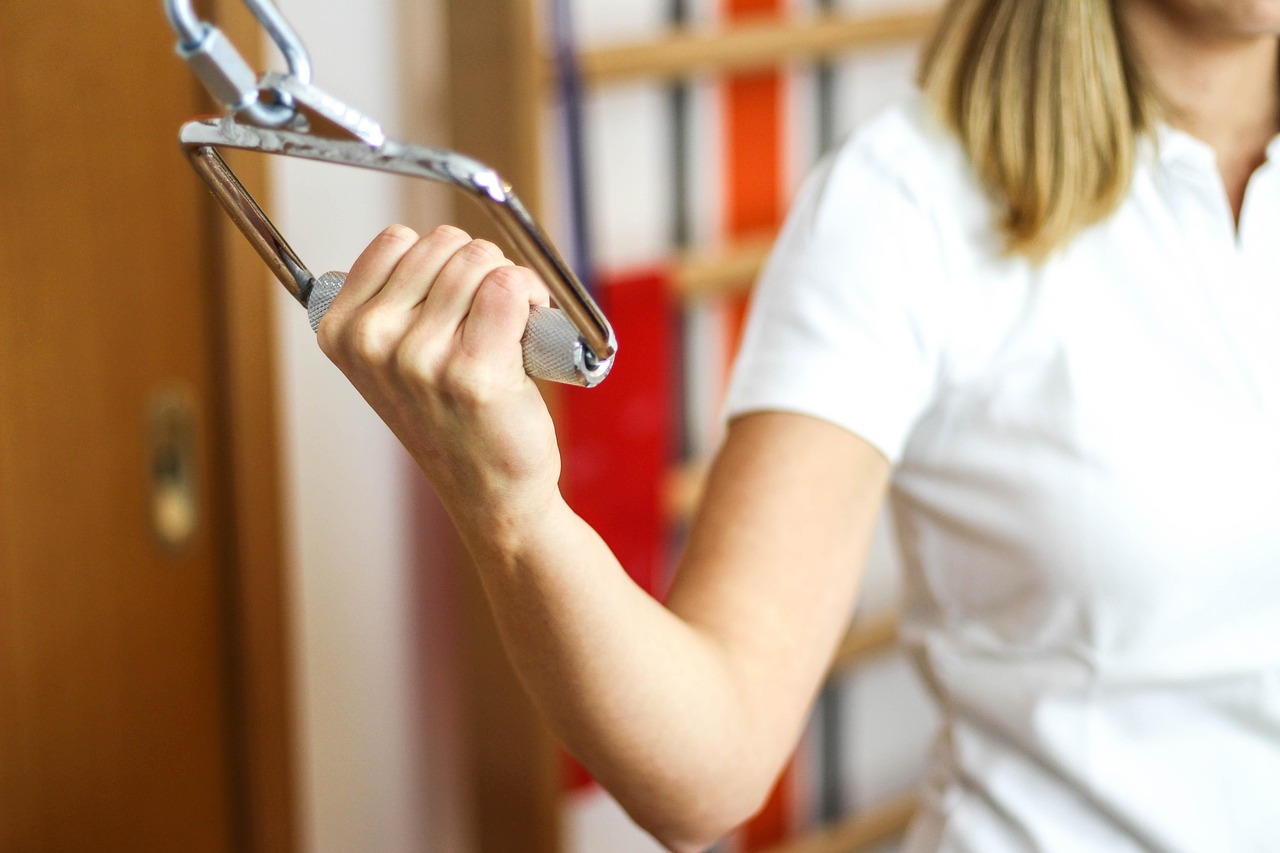
Physical therapy looks beyond the sore spot. We assess hip motion, strength, balance, and how you walk. We also look at how the lower back and knees are contributing, because the hip doesn’t work alone. Treatment often starts by restoring motion that’s been limited for a long time. Then we build strength where support is missing. Small adjustments in movement often reduce pain more than people expect.
Types of PT Commonly Used
Care depends on what your exam shows, but plans often include:
- Hip mobility work to reduce stiffness
- Strengthening for glutes and deep stabilizers
- Balance and walking drills
- Manual techniques to improve comfort and movement
- Guidance on pacing activity during the day
Let us take a look, set up an evaluation with Modern Physical Therapy & Sports Medicine of South East Tucson, AZ.