Bladder issues rarely begin all at once. For many people, it starts small. A leak during a cough. A sudden urge when standing up. One extra trip to the bathroom at night. Over time, those moments add up. Pregnancy, childbirth, menopause, prostate treatment, pelvic surgery, and long stretches of constipation can all change how the bladder and pelvic floor work together. Long workdays sitting, holding urine too long, or bracing your core without noticing can also play a role.
What People Notice First
Most people do not lead with “bladder control.” They describe the workarounds instead. Cutting back on fluids before errands. Sitting near the aisle at events. Mapping bathrooms before leaving home. Avoiding workouts that involve jumping or lifting. Sleep often gets disrupted by nighttime urgency. Even small leaks can affect confidence, especially when you feel like you are doing everything “right” and it still happens.
Why Control and Stability Break Down
Bladder control depends on coordination. The pelvic floor has to react quickly when pressure changes, like during a sneeze or lift. It also has to relax fully so the bladder can empty and settle. When muscles are weak, slow, or stuck in a tense state, timing gets off. Breathing patterns matter too. Shallow breathing and constant bracing increase downward pressure, which makes control harder. Many people assume the answer is squeezing harder, when in reality the muscles may already be working overtime.
What Pelvic Floor Therapy Focuses On
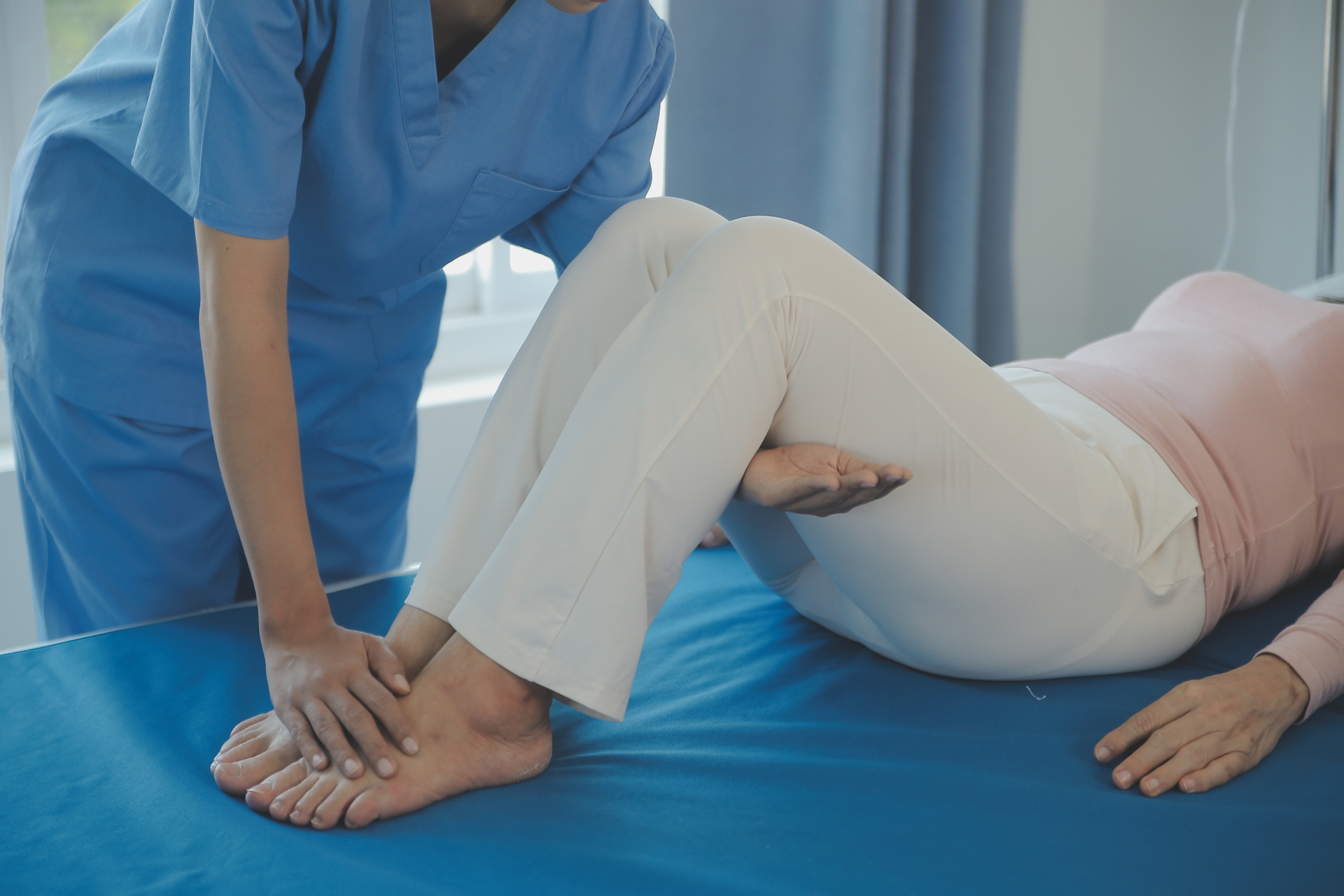
Pelvic floor therapy starts with how your body actually functions during the day. We talk through when symptoms happen and what seems to trigger them. We look at breathing, posture, hip movement, and how pressure moves through your trunk when you cough, lift, or exercise. Some people need to build strength. Others need to learn how to let go first. Most need a mix, in the right order. The goal is better timing and endurance, not constant tension.
What Treatment Can Include
Depending on your needs, pelvic floor therapy may include:
- Coordination training so the pelvic floor responds on time
- Breathing work to reduce pressure during movement
- Endurance-based strengthening for daily control
- Urge control strategies for sudden bathroom needs
- Hip and core support to improve overall stability
When Other Care Is Important
Pelvic floor therapy works well as a first step for many bladder issues. Medical care should be involved if you have blood in your urine, fever, severe pain, frequent infections, or neurological symptoms. Some people need medication or procedures, but many see real improvement once muscle timing and pressure control improve.
Schedule Pelvic Floor Therapy in South East Tucson
If bladder control issues are affecting your routine, sleep, or confidence, schedule an evaluation with Modern Physical Therapy & Sports Medicine of South East Tucson, AZ. We’ll assess what is driving the problem and build a plan that fits your life.