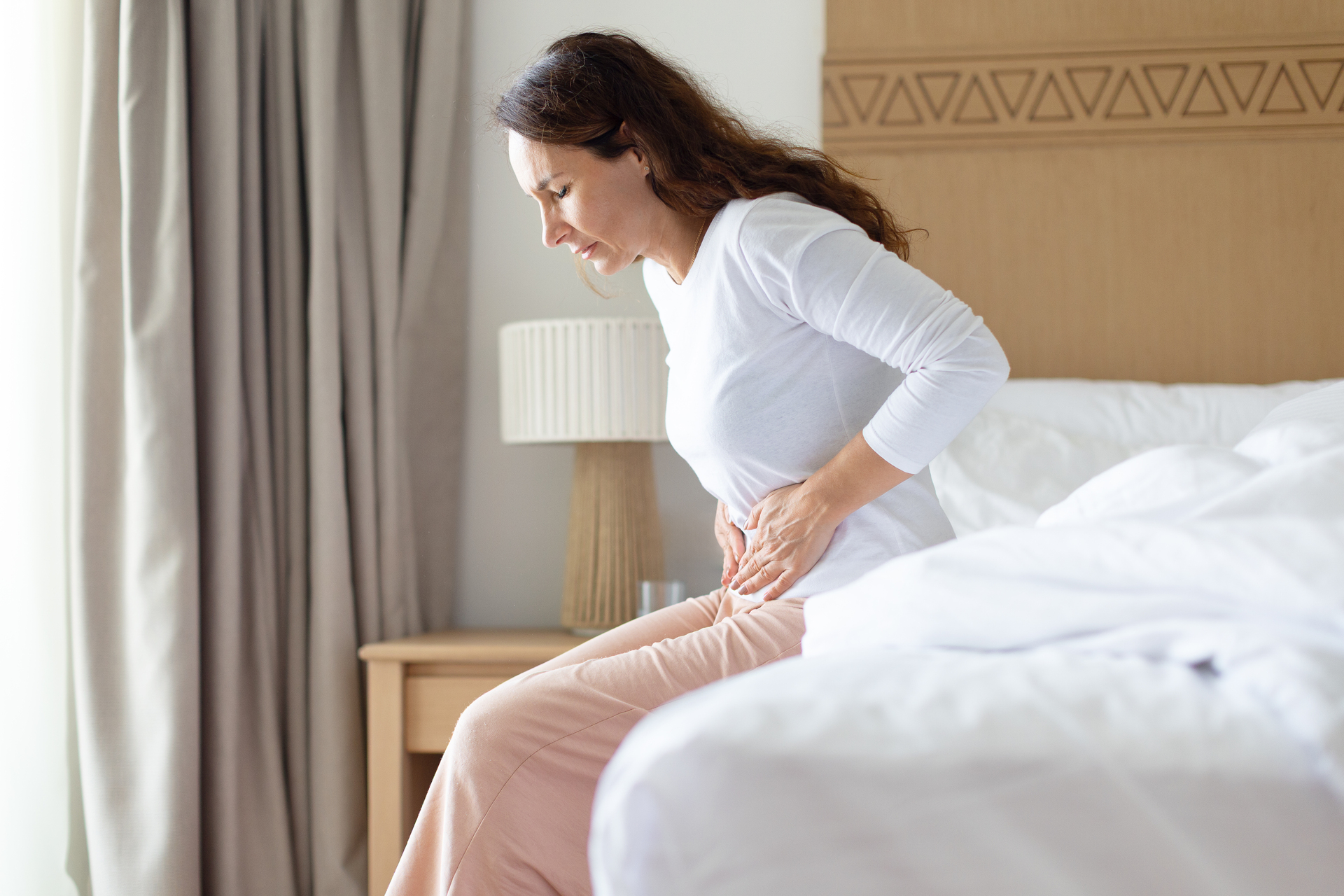
Chronic pelvic pain is pain in the pelvis that lasts for months or keeps returning often enough that you plan around it. The feeling can change by the hour. Some people describe a deep ache. Others feel burning, pressure, sharp stabs, or cramping that does not match a period or stomach bug. The pain can sit low in the belly, in the pelvis, at the tailbone, or in the hips and groin. For many patients, the hardest part is the uncertainty. You might have scans or lab work that do not show a clear cause, yet the pain keeps showing up.
Why It Can Linger Even After the First Trigger
Pelvic pain can start after a lot of different events. A UTI that resolved. A surgery. Childbirth. A fall. Months of constipation and straining. Even a long stretch of stress where you stayed tense all day. The pelvic floor can react to any of these by tightening and staying “on.” Tight muscles can become sore and sensitive, and they can also irritate nearby nerves. Over time, the nervous system can get quicker to protect the area. That protection can turn into a loop: pain leads to guarding, guarding leads to more pain.
Why the Pelvic Floor May Be Part of the Problem
Not all pelvic pain comes from the pelvic floor, but there are patterns that raise the flag. These are common ones we hear:
- Sitting makes symptoms worse, especially in the car
- You feel pressure or ache after using the bathroom
- Constipation and straining show up often
- Pain increases with stress, even when your routine has not changed
- Intimacy is painful, or soreness lingers afterward
What Pelvic Floor PT Does
Pelvic floor physical therapy is not just “do Kegels.” In many chronic pain cases, we focus on the opposite first: learning how to relax and coordinate the pelvic floor. Your first visits usually start with a detailed conversation about symptoms, medical history, and triggers. We look at breathing, hip motion, and how your trunk manages pressure with coughing, lifting, and exercise.
The Main Treatment Approaches We Use
A good plan feels specific to you. It also stays realistic. Pelvic floor PT may include:
- Relaxation training and down-training to reduce guarding
- Breathing practice to lower pressure in the pelvis
- Hands-on work for pelvic floor, hips, and abdomen when appropriate
- Gentle mobility and graded strengthening that stays below flare level
- Coaching for bowel and bladder habits to cut down irritation
- A flare plan for bad days so you don’t over-rest or panic
When Medical Care Should Be Part of the Plan Too
PT works best when you get the right medical screening. If you have a fever, unusual bleeding, blood in urine, or sudden severe pain, seek medical care right away. If you have a history of endometriosis, bladder pain syndrome, IBS, fibroids, or recent pelvic surgery, your care may include more than one provider. PT can still play a key role by reducing muscle guarding and helping you tolerate daily activities again.
If pelvic pain is affecting your life in any way, reach out to Modern Physical Therapy & Sports Medicine of South East Tucson, AZ.