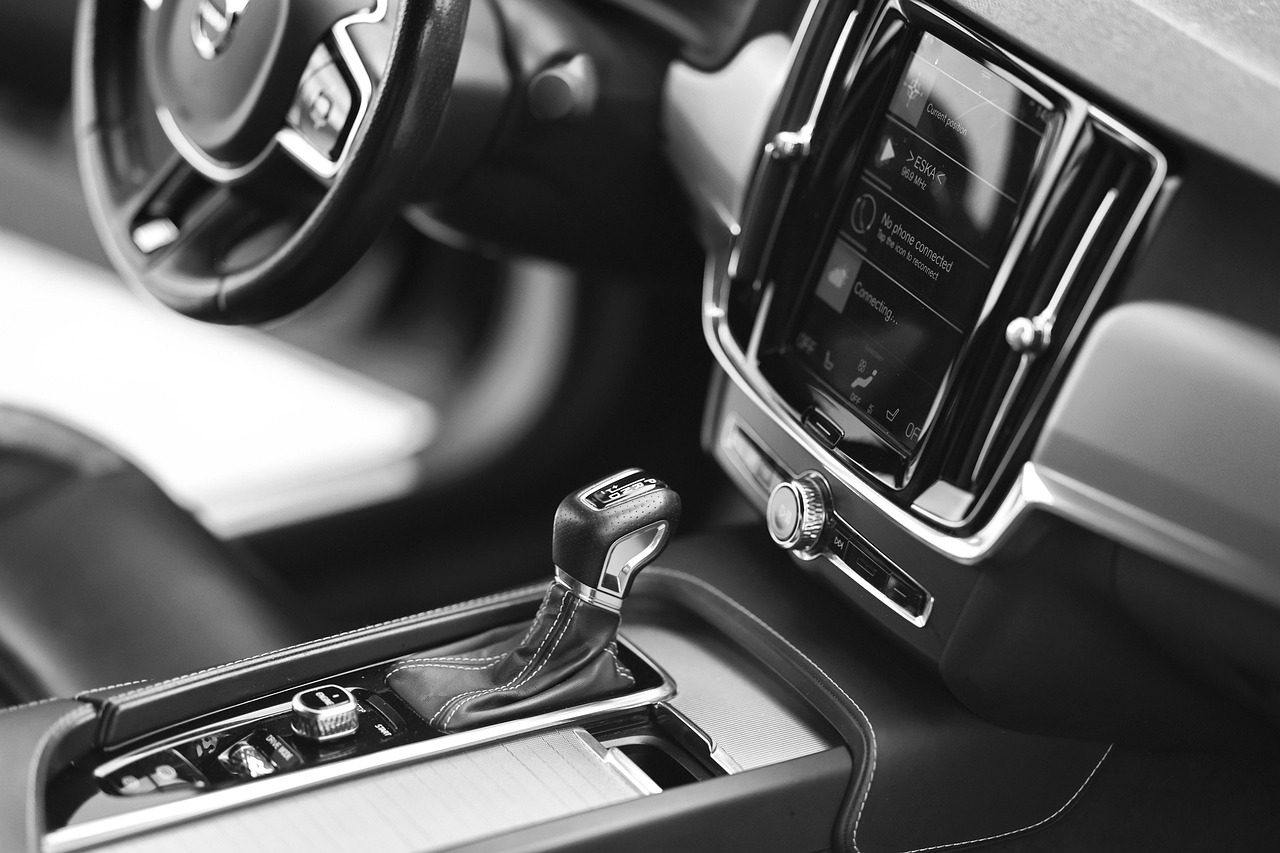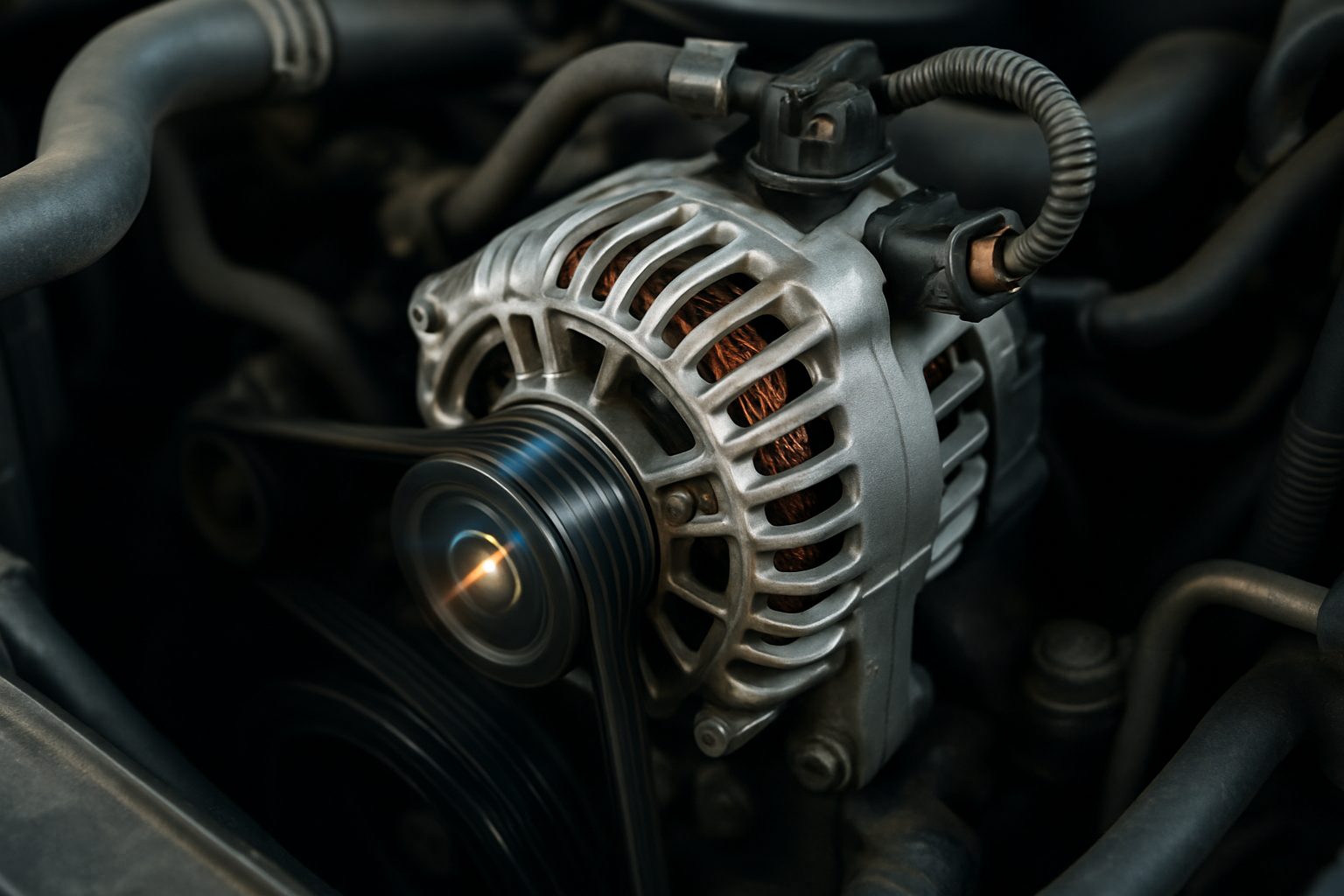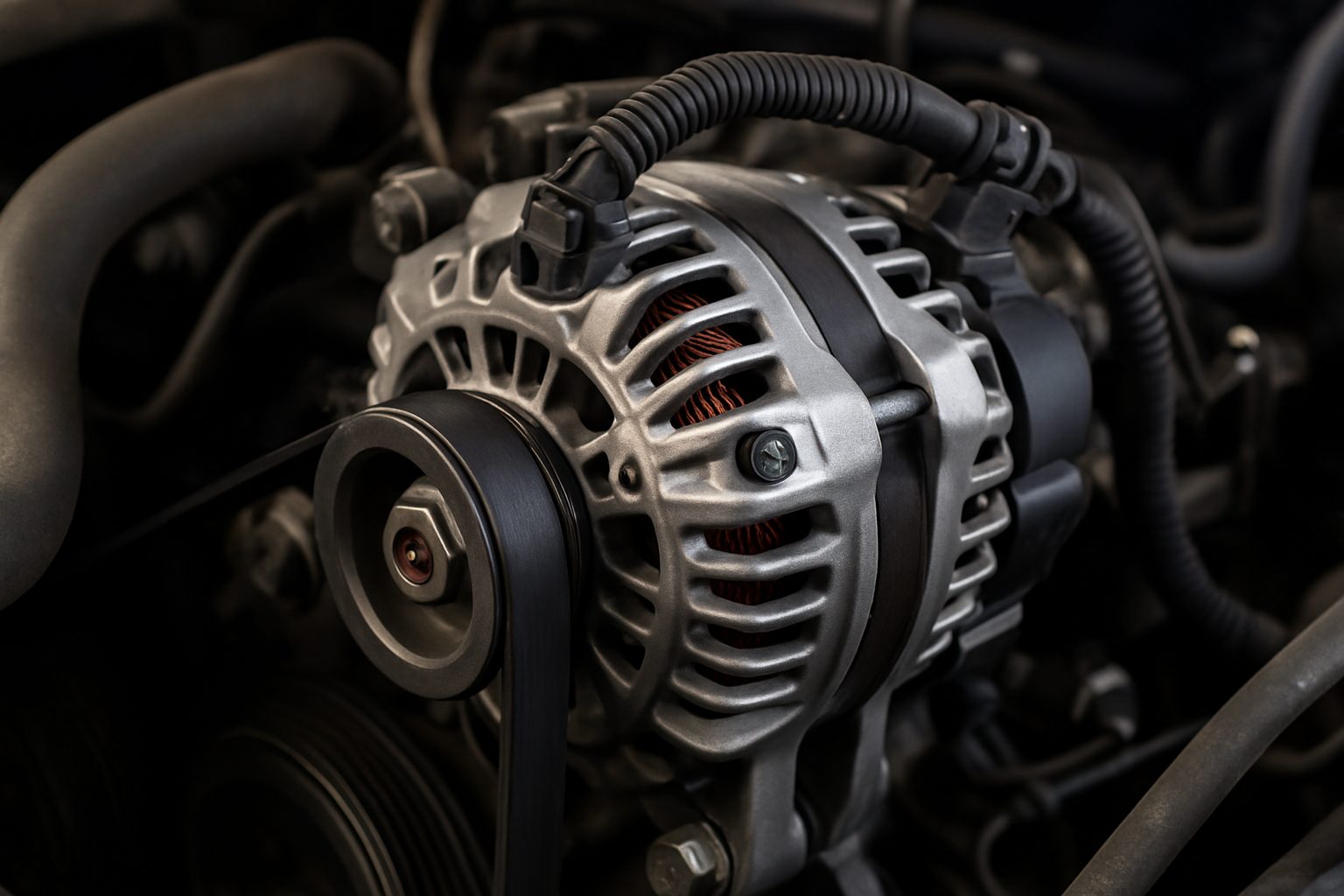
At a red light your A4 used to shut the engine off and start it again as you lifted off the brake. Lately it runs straight through the light, or the display shows a message that the function isn’t available. Then one morning you pressed the start button, heard one loud click, and the engine didn’t catch. The second try started it normally. You filed it as a fluke and moved on. That click lands on an ordinary San Ramon morning, and Driven Auto Care of San Ramon is a few minutes away. One click is early enough that we can still measure what happened.
Start-Stop Goes Quiet Before the Crank Does
When start-stop stops shutting the engine off at lights, the most common reason is a battery that isn’t holding its charge. That function gets switched off as battery condition falls, so the change you noticed weeks ago is already a reading. The reason a restart didn’t run is stored in the car, and that record can be read at a service visit. Your A4 may still start every morning. A quiet start-stop puts the battery first in the order we work through, and the crank second.
A Second of Work and a Heavy Current Draw
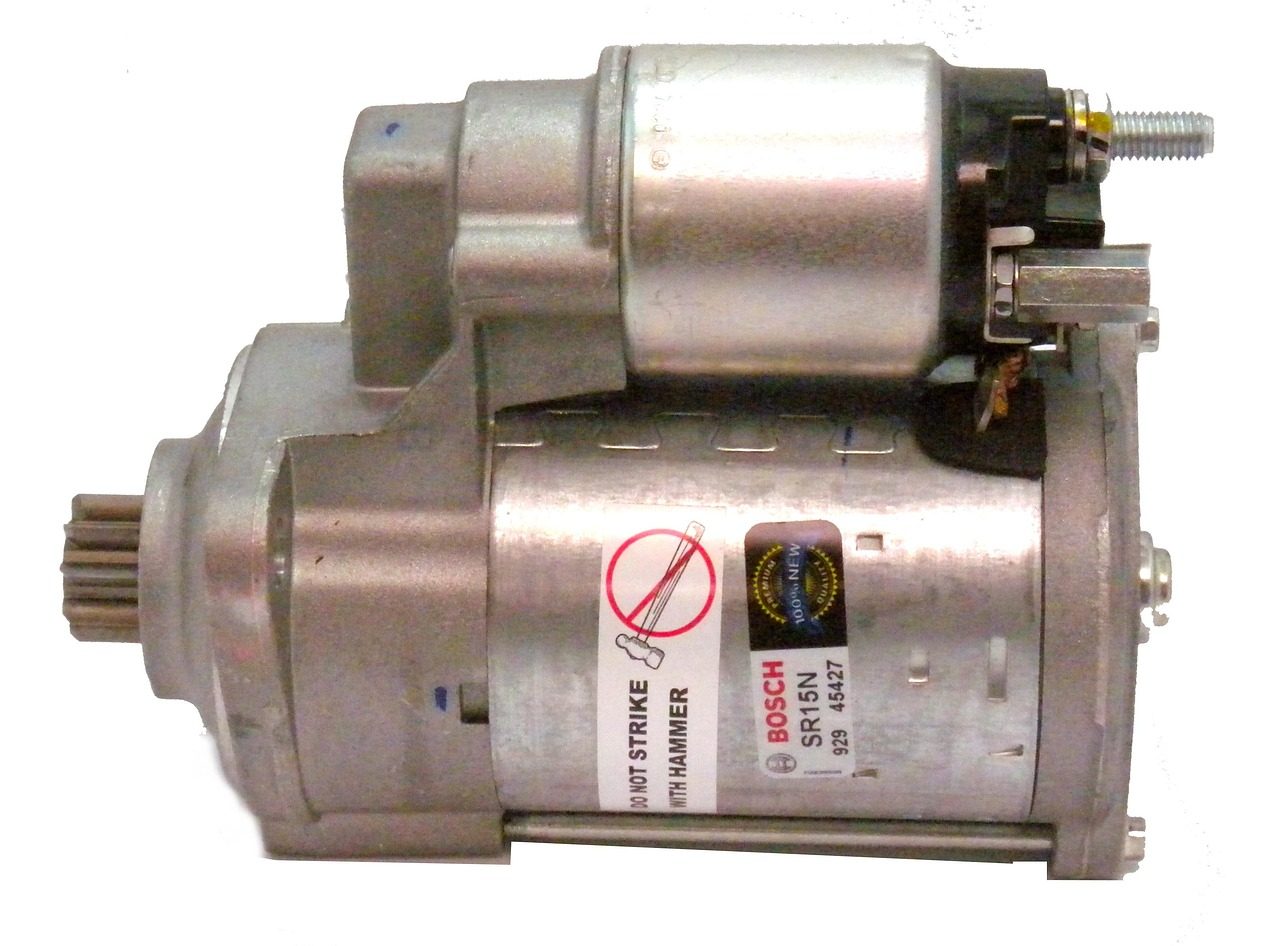
Press start, and a small electric motor slides its gear against the flywheel teeth. It spins the engine fast enough to fire, then pulls the gear back out of the way. The whole job takes about a second, and during that second the starter pulls more current than anything else on the car. A slightly weak battery shows up there first. If you hear grinding at start, that noise can come from the starter’s drive gear or from the flywheel ring gear. Those two parts take two different repairs, and we inspect them together.
Worn Contacts Can Make the Fault Come and Go
Inside the starter, the solenoid pushes that gear forward and closes a pair of heavy electrical contacts. A click proves the solenoid moved, but it does not prove the contacts carried enough current. We measure where the current stopped after that. Worn contacts can close and click while passing too little current to turn the motor, which is why the fault comes and goes. The cause is usually the solenoid or a power-delivery problem, and sometimes it’s the battery. Brushes and contacts wear in one direction only, so the wear doesn’t reverse itself. On a car with start-stop the engine restarts many times a day, so that wear collects against a much higher count of starts.
From the Driver’s Seat, Two Faults Look Alike
From the driver’s seat you can’t tell those two conditions apart, so we measure the crank itself. A battery can pass a quick test at a parts counter and still get tested under load at the shop. If the crank has grown slower over months on a battery that tests good, the next reading is the current the starter pulls while cranking. A worn starter turns slower and pulls more current. A replacement battery on these cars has to be registered to the car, so the charging strategy matches the battery that’s fitted.
Voltage Lost at a Corroded Cable End
Say the dash stays fully lit and nothing turns when you press start. That combination narrows the fault to the heavy cables and the start signal, and it’s a narrowing, not a diagnosis. We measure voltage drop across the main cables and the grounds while the engine cranks. A corroded cable end drops the voltage before it reaches the starter. That is how a healthy starter gets replaced for nothing. We check the start signal at the solenoid too. A signal that never arrives moves the search to the switch, the relay and the circuit that carries it.
Book It While It Still Starts
A click, a quiet start-stop and a half-second hesitation all show up at the same stage. The car still drives in on its own. Every long crank pulls the battery further down and heats the starter, so the two conditions compound. One visit reads both sides, whether the answer points at the battery or at the starter. We also confirm the engine turns freely, so a mechanical problem doesn’t get covered over with a new part.
The dates are the useful part, so when you call Driven Auto Care of San Ramon at (925) 830-4701, start with the morning of that single click and the week start-stop went quiet. We line both up with the car’s stored record, test the battery under load, and read the current the starter pulls while cranking. Then we replace the part the readings point to, and nothing else.