Your registration renewal is due in two weeks, the Corolla’s check-engine light is on, and now the whole thing rides on one smog test you can’t fail. The tempting move is to clear the code the night before and hope it slips through. Beating that deadline takes the opposite move, and for Danville owners it starts at our San Ramon shop with understanding what the test reads. Clearing the light is the surest way to fail it.
Why Does Clearing the Code Fail the Test?
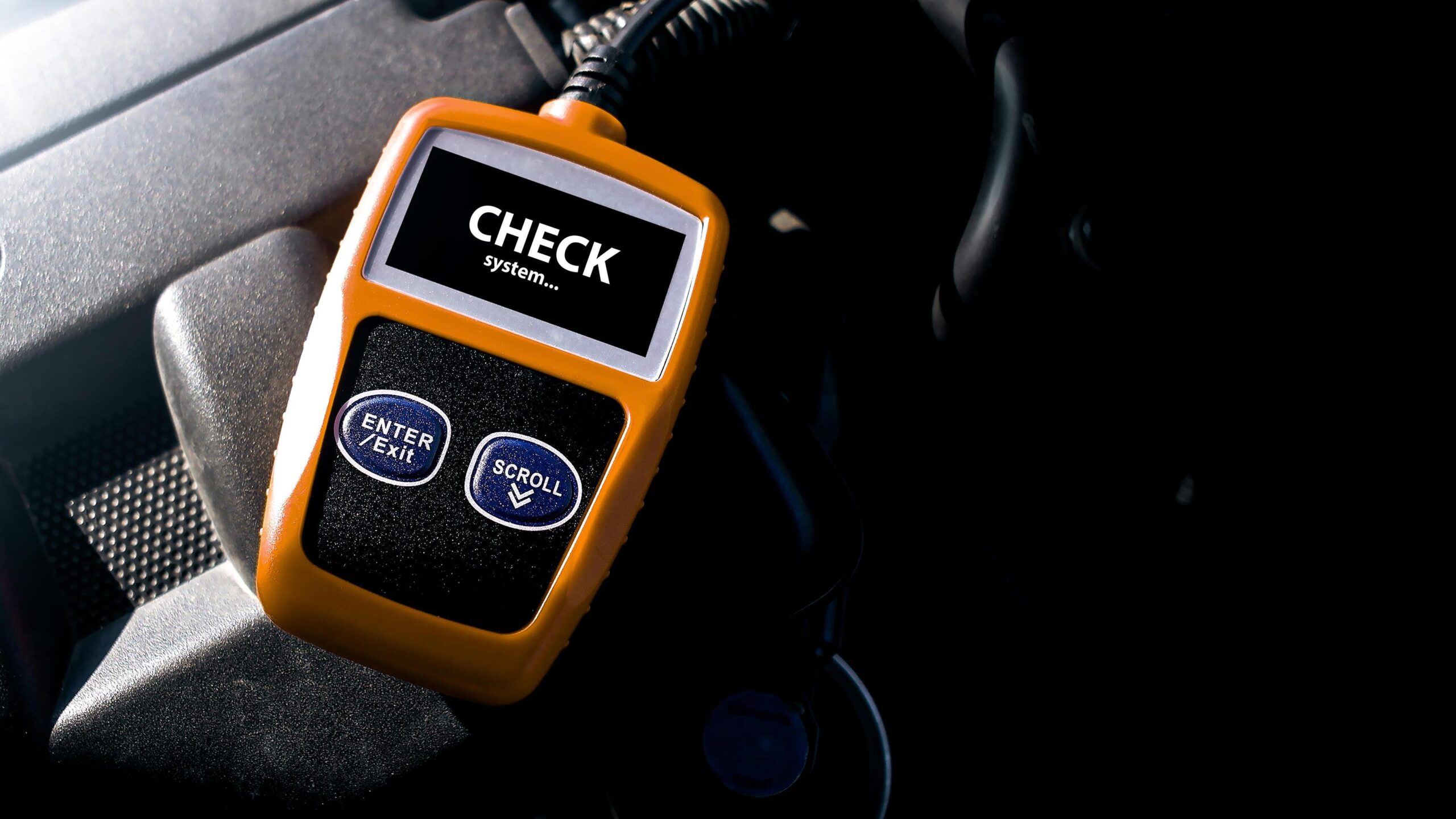
Clearing a code feels like a fix, and it’s not one. When you clear codes or disconnect the battery, the readiness monitors reset to not-ready, and the car needs a full drive cycle to re-run each self-test. Take a freshly cleared Corolla straight to the station and it fails on readiness even with the light off. Owners are often surprised that a light being off isn’t enough by itself. If the underlying fault is still there, the code and the light come back within days, and a scan of the monitor status shows us the true state before the car ever goes in.
What Does California Score, the Light or the Data?
The smog station reads the computer’s data, and the dashboard light is only part of it. California checks the OBD readiness monitors, and on a 2000-or-newer gasoline car every supported monitor except EVAP has to read ready under the current rule, so we drive them all to ready rather than cut it close. On top of that, the check-engine light has to stay off on its own while the engine runs, because a commanded-on light is an automatic fail. So the target is a set of monitors that read ready and a light that stays off from a real repair.
Does a P0420 Always Mean a New Converter?
A smog-season favorite is P0420, catalyst efficiency below threshold on Bank 1, and it doesn’t automatically mean a new catalytic converter. The system compares the upstream and downstream oxygen-sensor signals, and a slow or failed downstream sensor or an exhaust leak drawing in air can set the same code. The upstream and downstream signals should look different when the converter is working, and live data shows whether they do. Before anyone sells you a converter, we compare those sensor waveforms on live data and inspect for exhaust leaks. That live-data read is the difference between a sensor you can replace and a converter you don’t need.
Gas Cap or Purge Valve, Which EVAP Code Is It?
The EVAP codes are another common cause, and they call for different parts. A small-leak code like P0442 most often starts at a loose or failed gas cap, the first suspect worth ruling out. P0441, an incorrect-purge-flow code, is a different problem that points to the purge or vent valve, a vacuum line, or the charcoal canister, and not the gas cap. Rather than throw parts at either one, we run a smoke test that fills the system with a visible tracer and shows the actual leak.
How Do You Pass on the First Try?
Passing is a two-part proof on the day of the test. The fault has to be repaired so the light stays off on its own, and the readiness monitors have to be driven ready and re-scanned before the appointment. A car with the light off can still fail when a required monitor reads not-ready, so we confirm the monitor status before you go in. One safety note: a flashing check-engine light is an active misfire, so go easy on it, because raw fuel reaching the exhaust can overheat the catalytic converter.
Fix the Cause, Then Confirm It’s Ready
It comes down to one clear idea at the end. California scores the readiness monitors, so we fix the cause instead of clearing the code, then confirm the car is ready to pass. Beat the deadline by calling (925) 830-4701, where we diagnose the code, repair the cause, and re-scan the monitors before your test.