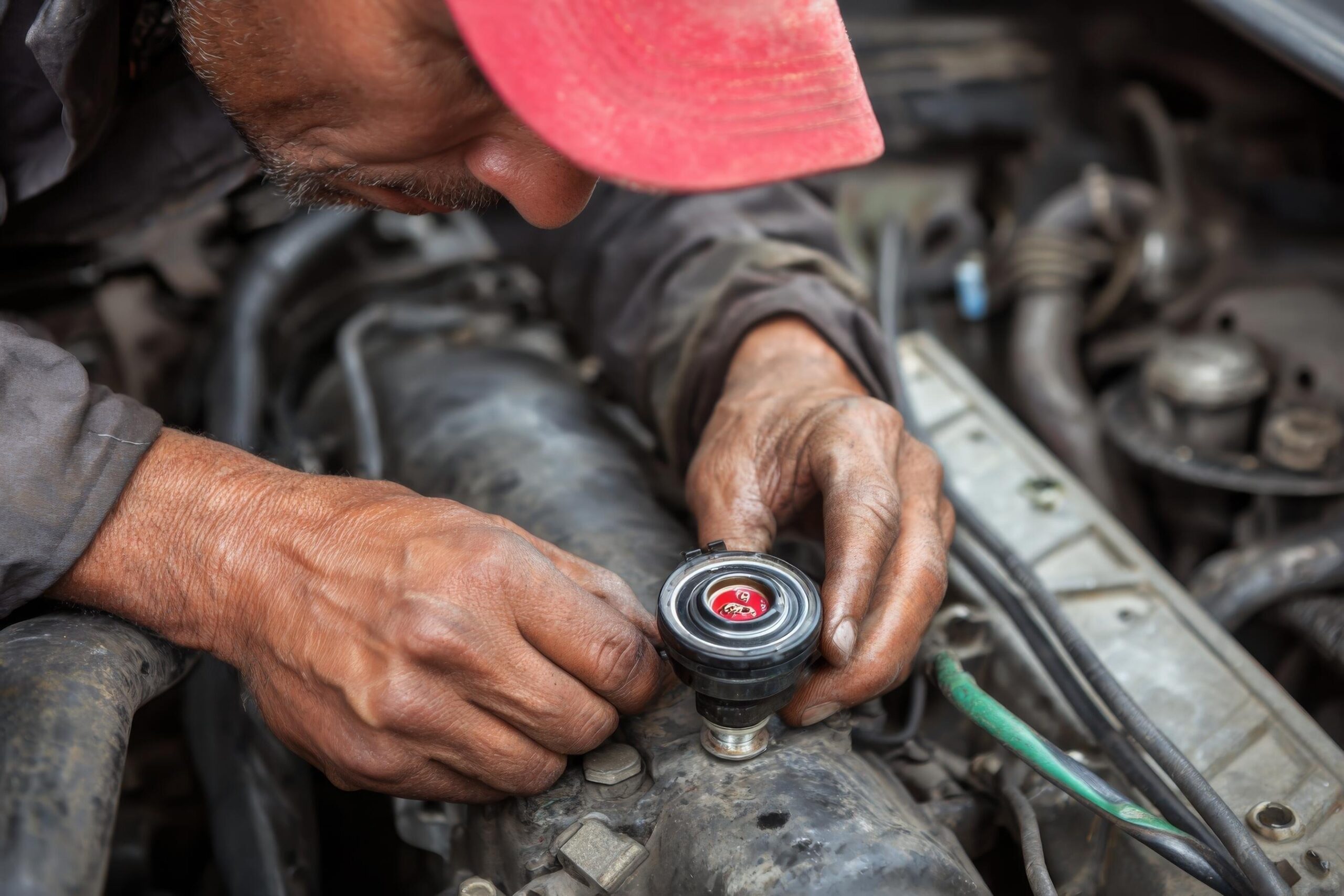
At a red light your Q5 shakes enough to feel through the seat, and the moment you pull away it smooths out. That shake is idle-specific, and on this direct-injected engine it usually traces to a short list of parts we can test one at a time. Q5 drivers from Dublin book that rough idle in with us in San Ramon, and the first thing we tell them is that a tune-up here isn’t points and plugs. It’s whichever of a few known causes the tests turn up.
What Counts as a Q5 Tune-Up?
A rough idle on the Q5 2.0T resolves to a short, separable set: carbon on the intake valves, tired coils or plugs, a torn PCV, or a vacuum leak. Each one has its own test, so we name the single cause and address that alone. A modern direct-injected turbo has no points, no distributor, and no carburetor to adjust, so the old idea of a tune-up doesn’t fit it. What a tune-up means on this engine is the maintenance the car needs, worked from the simplest and likeliest cause first. That order is the whole point, because it puts the work on the cause that’s there.
Is It Carbon on the Intake Valves?
Carbon is the signature cause on this engine, and it comes straight from the design. Direct injection sprays fuel into the cylinder and never over the intake valve, so nothing washes the valve clean, and hardened carbon narrows the port until the idle turns lumpy. A borescope shows the deposit directly, so we look before we clean. On a direct-injected engine well past 50,000 miles with no prior cleaning, carbon sits high on the list. When the valves are the problem, walnut blasting, crushed walnut shell driven by compressed air, is the standard way to clear them.
Or Is It the Coils and Plugs?
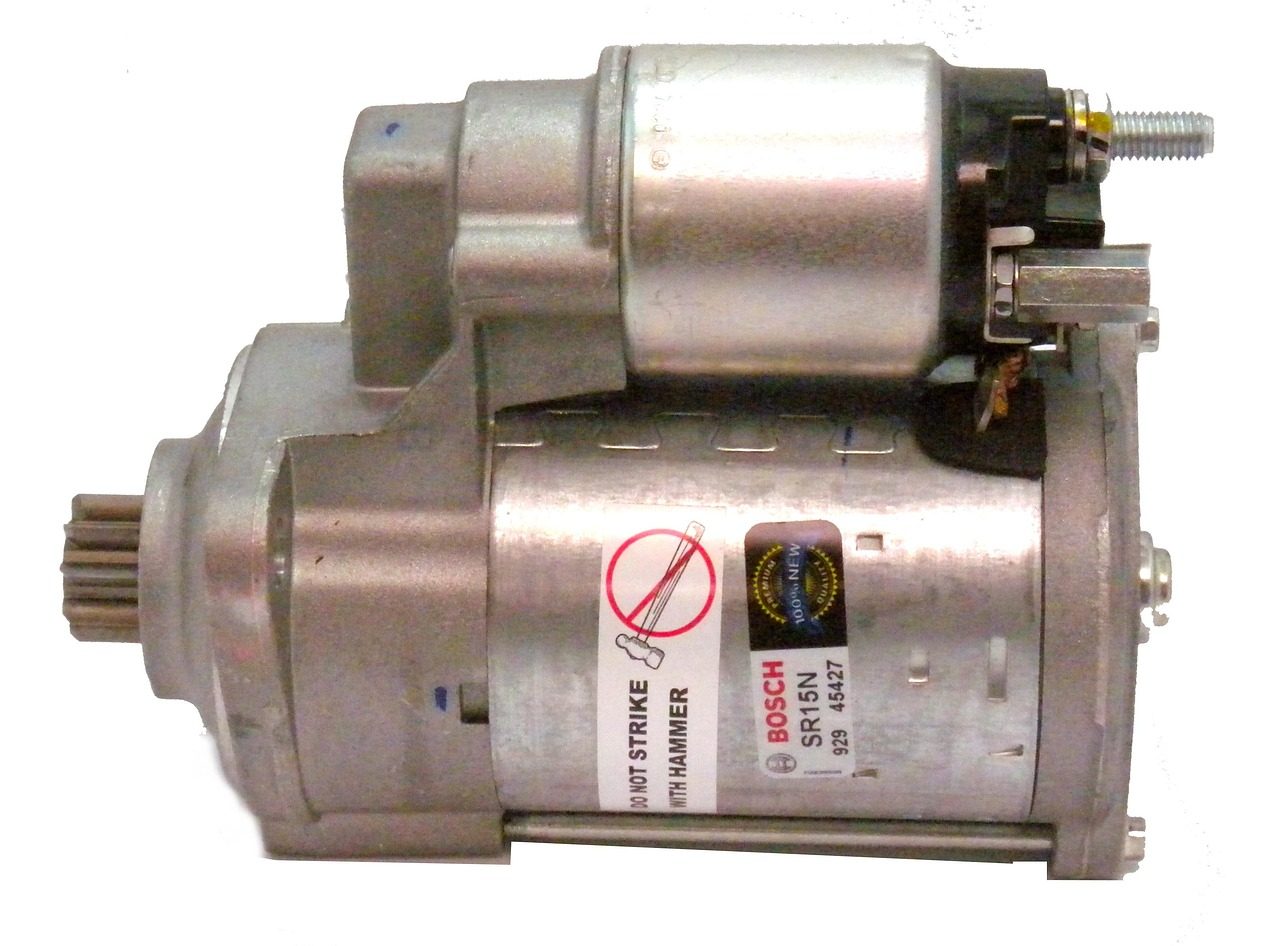
Ignition is the next rung, and it’s the fastest to pin down. The Q5 2.0T runs coil-on-plug ignition, so a single weak coil or a worn plug makes one cylinder misfire and shakes the idle. We swap the suspect coil to the next cylinder and watch the misfire code follow it, which points to the bad coil in minutes instead of replacing all four on a hunch. We inspect the plugs at the same time, because a worn gap raises the voltage the spark needs and misfires the same way. A valve-cover leak also drips oil into the plug tubes and ruins fresh coils, so we seal that leak while the coils are out.
Could It Be the PCV or a Vacuum Leak?
The last rung is unmetered air reaching the intake. A torn PCV diaphragm in the valve cover lets extra air past the sensors, which leans the mixture and shows up as a high, steady whistle with a shaky idle. A cracked hose, a leaking intake gasket, or a carbon-fouled throttle body does the same thing. A torn PCV diaphragm pulls a strong, steady suction at the oil-filler cap that you can feel by hand, while a smoke test reveals a hose or gasket leak too small to see. We read the fuel trims too, because a lean bias in that data reveals unmetered air before any part comes off.
What Does a Measured Tune-Up Include?
A measured tune-up on a Q5 2.0T is a defined set of items. Depending on what the tests show, it’s spark plugs, an ignition-coil inspection, a PCV check, intake-valve carbon cleaning, a throttle-body service, and an air filter. The order we work is fixed: scan the codes and freeze-frame, smoke-test for leaks, borescope the valves, then service exactly what the engine needs. That sequence is why two Q5s with the same shake can leave the shop with different work. We service the parts the diagnosis singles out, and nothing the engine doesn’t need.
Book a Measured Q5 Tune-Up in San Ramon
A measured tune-up clears the intake-valve carbon a parts-store kit never touches. You’ll know the exact cause before we ever touch a part. Before you commit to a tune-up bundle, call us at (925) 830-4701, and we’ll read the misfire counts and fuel trims, then test your Q5’s idle down to the single part that needs service.