Owners call it slipping, but on the 10R80 that one word covers a steady shudder and a hard, clunky shift, and they need different fixes. Which shop you call decides whether that difference gets measured or guessed. Here in San Ramon, that read is what an F-150 owner should want first, because on the 10-speed a slip is a measurement question before it becomes a parts question. We find out exactly what's happening, shudder or harsh shift, fluid or calibration or valve body, before anyone talks about replacing a transmission.
The Shudder You Feel Comes From the Lock-Up Clutch
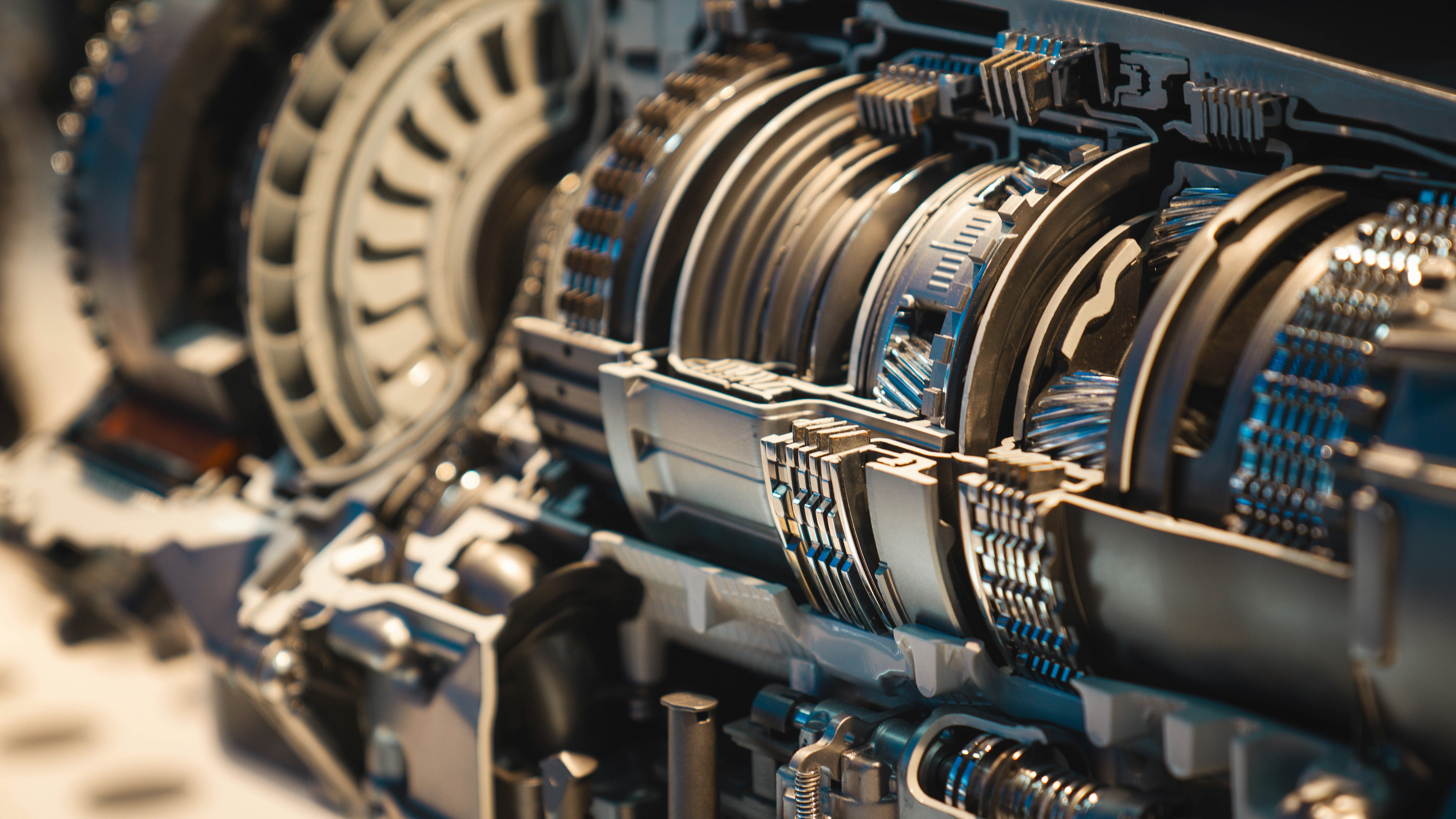
That steady shudder around 25 to 45 mph is the most common version of an F-150 "slip," and it starts at the torque-converter lock-up clutch. The 10R80 applies that clutch constantly to save fuel, so its friction lining heat-cycles hard and wears faster than an older converter's. As the lining breaks down, it sheds fine debris that fouls the valve-body passages, and the result is a vibration under light throttle that feels like slipping. A road test to reproduce it, noting the speed, the throttle, and whether it's a steady buzz or a gear-change flare, is where the diagnosis starts. The symptom is repeatable, so we can measure it and show you the reading.
Harsh, Clunky Shifts Are a Separate Problem
A jerk, a clunk, or a delayed engagement into drive is a different fault, and it doesn't come from the converter. On the 10R80 those trace to sticking valves in the main-control valve body, the solenoid ID strategy, or a worn CDF clutch drum bushing. Each of those changes when and how firmly a gear applies, so the truck can shift hard one minute and hang the next. We scan for transmission codes and read the adaptive strategy before we name a single part, because a harsh shift and a converter shudder need different tests and different repairs. Owners describe both as slipping, and the road test is what separates them.
The First Thing We Read Is the Fluid
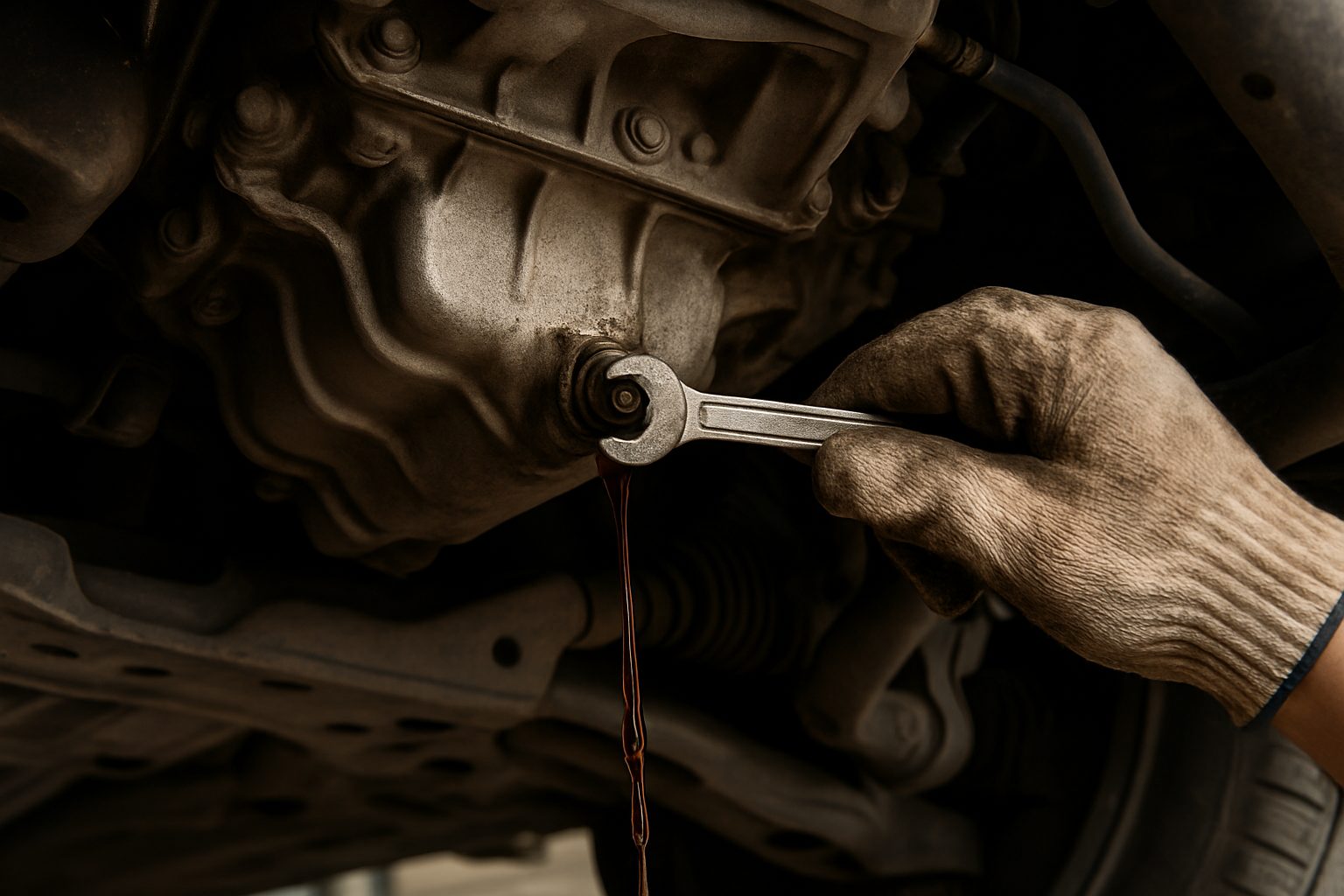
Before any part gets discussed, we read the fluid, because the 10R80 is built for one specification, Mercon ULV. The wrong fluid, an older Mercon LV or a Dexron, or fluid that's worn and dark, changes how the clutches grab and can cause a slip on its own. That makes fluid condition and level the simplest and most likely first answer, checked early, long before any teardown. If the fluid is correct, clean, and at the right level, we rule it out and move down the list to the codes and the calibration.
Software, Valve Body, or Internal Hardware?
Ford has issued a string of 10R80 bulletins over the years, covering software strategy, valve-body faults, adaptive relearns, and internal hardware, so a check of the truck's build date, calibration, and codes comes before any parts decision. Many software-driven harsh shifts clear once the current calibration is installed, which is why we check the calibration early. A reflash can't fix a worn clutch or a CDF drum bushing that has started to migrate, though, so when the symptom stays after the latest calibration, the diagnosis moves on to the fluid, the valve body, and an internal inspection. After that kind of work the transmission needs an adaptive relearn, so its shift strategy re-adapts and the shifts settle down again.
Why a Slip Seldom Means a New Transmission
None of this works without first confirming the transmission itself. The 10R80 arrived on the 2017 F-150 and became standard from 2018 on every engine except the base 3.3L V6, so a pre-2017 truck or a base-V6 2017 runs the six-speed 6R80, a different unit with its own failures. Once the unit is confirmed, the staged sequence, a road test, the fluid, a scan and strategy read, the VIN calibration check, and a line-pressure test, separates the serviceable majority from genuine internal damage. That order is what lets us diagnose and service the 10R80, the fluid, the valve body, and the calibration, and reserve a replacement for genuine internal damage.
Get the 10-Speed Measured Before Anyone Talks Replacement
If your 10-speed is slipping or shuddering, call (925) 830-4701 and we'll follow the measured sequence, a road test, the fluid, a scan, the VIN calibration, and a line-pressure test, before anyone talks replacement. A slipping ten-speed is a measurement question first, not a replacement question.