You hear a whistle under throttle, feel a flat spot, and a shop has already pointed at the turbo. On the Audi A4 2.0T, the turbo is the most complex answer on the board, and most of the time it isn't the part that failed. From Dublin, the drive to our San Ramon shop is short, and it's worth making before anyone orders a turbo, because the same symptoms come from several other parts in the boost system. We test the whole system first, then we replace only the failed part we find.
Is It the Turbo, or the Parts Around It?
Most turbo symptoms on the 2.0T come from the smaller parts in the boost path, the diverter valve, the PCV valve, or a split boost hose, and each one bleeds off boost the same way a tired turbo does. That's why a scan tool alone isn't enough. An underboost code like P0299 points to a symptom, not a part, and the same code shows up for a torn diverter valve, a leak, or a worn turbo. A boost-leak smoke test, paired with a scan of delivered boost against the figure the ECU requested, shows which one it is. We run that pair before anyone recommends a turbo, and the turbo stays off the plan unless we prove it failed.
Could a Torn Diverter Valve Be the Cause?
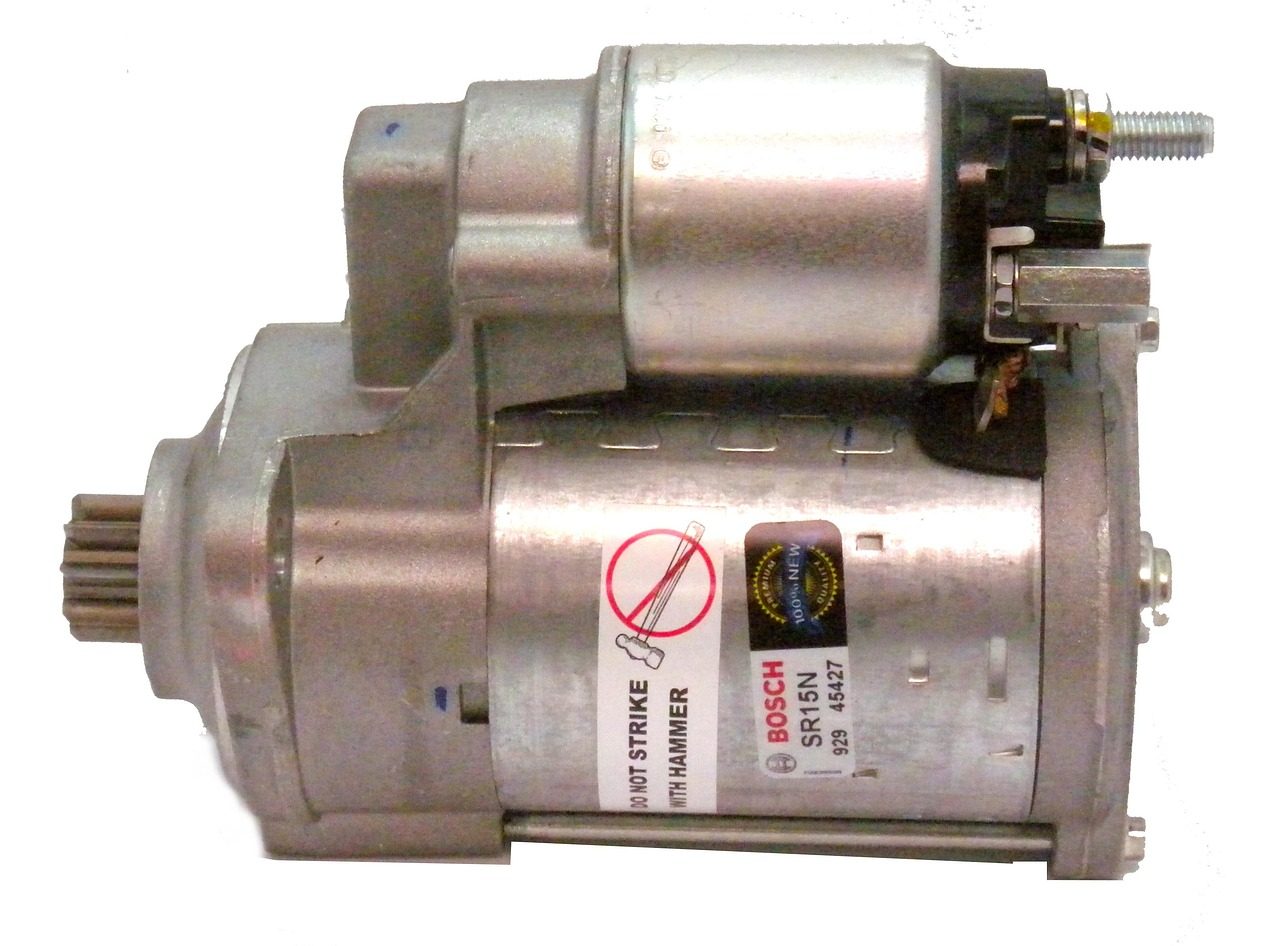
The original diverter valve on the 2.0T used a rubber diaphragm that tears with heat cycles, and Audi replaced it with a piston-style valve that has no diaphragm to fail. A torn diaphragm lets compressed intake air bleed back, so the turbo can't build the boost the ECU commands, and you get power loss, hesitation, and a whoosh under throttle with a check-engine light. That combination is the classic torn-diverter-valve signature, and it's first on the list we rule out. We pull the valve, read the diaphragm by hand, and smoke-test the charge system to confirm the leak before anything comes off.
What Does a Failing PCV Sound Like?
The PCV valve, the crankcase breather built into the valve cover, has its own diaphragm that tears and admits unmetered air into the intake. That leak leans the mixture and roughens the idle, usually with a high whistle that stays steady while the engine idles. A fast hands-on check separates the two causes: a strong draw at the oil-filler cap points to a torn PCV, and a smoke test locates any other vacuum leak. The pitch of the sound is the second tell that separates them. A steady whistle at idle is a vacuum or PCV leak, while a siren that rises and falls with the engine belongs to the turbo.
When Is It the Turbo Itself?
When the turbo itself is the failure, it leaves a specific signature. A worn center bearing lets the shaft move, so the seals pass oil into the intake and exhaust, and you see blue-grey smoke on acceleration, oil in the intake pipe, and a rising whine that tracks RPM. With the intake off, we check the shaft for play by hand and look for oil in the compressor housing, the physical signs a worn turbo leaves. The repair includes one more step that protects the new turbo. The oil-feed line that starved the old turbo has to be cleared as part of the job, or the fresh unit starves and fails the same way within miles.
Which Signs Mean Stop Driving Now?
Not every boost fault is an emergency, so the signs fall into two groups. An intermittent flat spot or a one-time limp that clears on a restart is generally safe to drive gently to the shop for a scan and a boost-leak test. A siren whine with blue-grey smoke and oil in the intake is the stop-driving set, because a turbo shedding oil into the intake can do more damage the longer it runs. Either way, the safe move is a scan and a boost-leak test before you drive it hard, so a small boost part doesn't turn into a big one.
Bring Your A4 in Before We Recommend a Turbo
Most A4 turbo symptoms are the smaller parts around the turbo, not the turbo. You don't have to gamble on the most complex part on the car. Call Driven Auto Care of San Ramon at (925) 830-4701, and we'll log the boost your turbo delivers against the figure the ECU requested to prove whether it's the turbo or the valve ahead of it, before we recommend the repair.