What does that amber light mean when the car drives like nothing changed? You twist the key, the dash paints an engine icon that wasn't glowing yesterday, and your 3 Series pulls away feeling identical to last week. No hesitation reaches the pedal and no shudder reaches the wheel, and that quiet is what tempts owners into putting it off. A steady amber light means the engine has logged a stored fault, and the honest first move is reading what it logged.
Which Engine Is Under Your Hood?
A faster shop swaps the part the code seems to name and hopes the light stays off. We start a step earlier, because a 3 Series can carry a turbo four or a smooth inline six, and each family stumbles in its own way. One amber icon can point at a timing chain on one engine and an oil leak on another. We pull the engine designation from the VIN and the control module, and that single read narrows a fuzzy warning into a short list of suspects. Skip that step and you're guessing with the parts counter on the phone.
The Cold-Start Rattle on the N20 and N26
On the N20 and N26 four-cylinders, the timing chain rides against plastic guides that turn brittle and shed fragments as the miles stack up. A cold-start rattle that fades once oil pressure climbs is the sound that brings these cars in. Many shops hear that rattle and quote a chain without ever reading the engine. We watch the scan tool flag a crankshaft-versus-camshaft correlation fault, which tells us the two shafts no longer spin in the relationship the engine expects. We measure that value against the factory window before a chain job earns the green light.
Oil Pressure or Cam Timing on VANOS
VANOS shifts cam timing with engine oil pressure, and it leans on clean solenoids and steady flow to hit its targets. When the solenoids gum up or pressure sags, the engine can't swing the cams to the angle it's asking for. The quick fix is a pair of new solenoids, and that read can be wrong. We watch live data and lay the requested cam angle beside the delivered cam angle. The gap between those two numbers tells a tired solenoid apart from a deeper oil-supply fault.
Fuel or Boost Control on the N54 and N55
The boosted N54 and N55 trip a light when fueling or boost control drifts past its limits under load. On the high-pressure fuel pump, we track the rail pressure the engine asks for against the pressure it gets while it works, and a shortfall points at a fading pump. A rattling wastegate shows up as a boost deviation, where the target and the delivered boost pull apart during a hard pull. The shop that reaches for a turbo here can miss a split charge-pipe instead. We back a suspected leak with a smoke test on the charge path, so the true fault gets fixed.
The Plastic Oil-Filter Housing on the B-Series
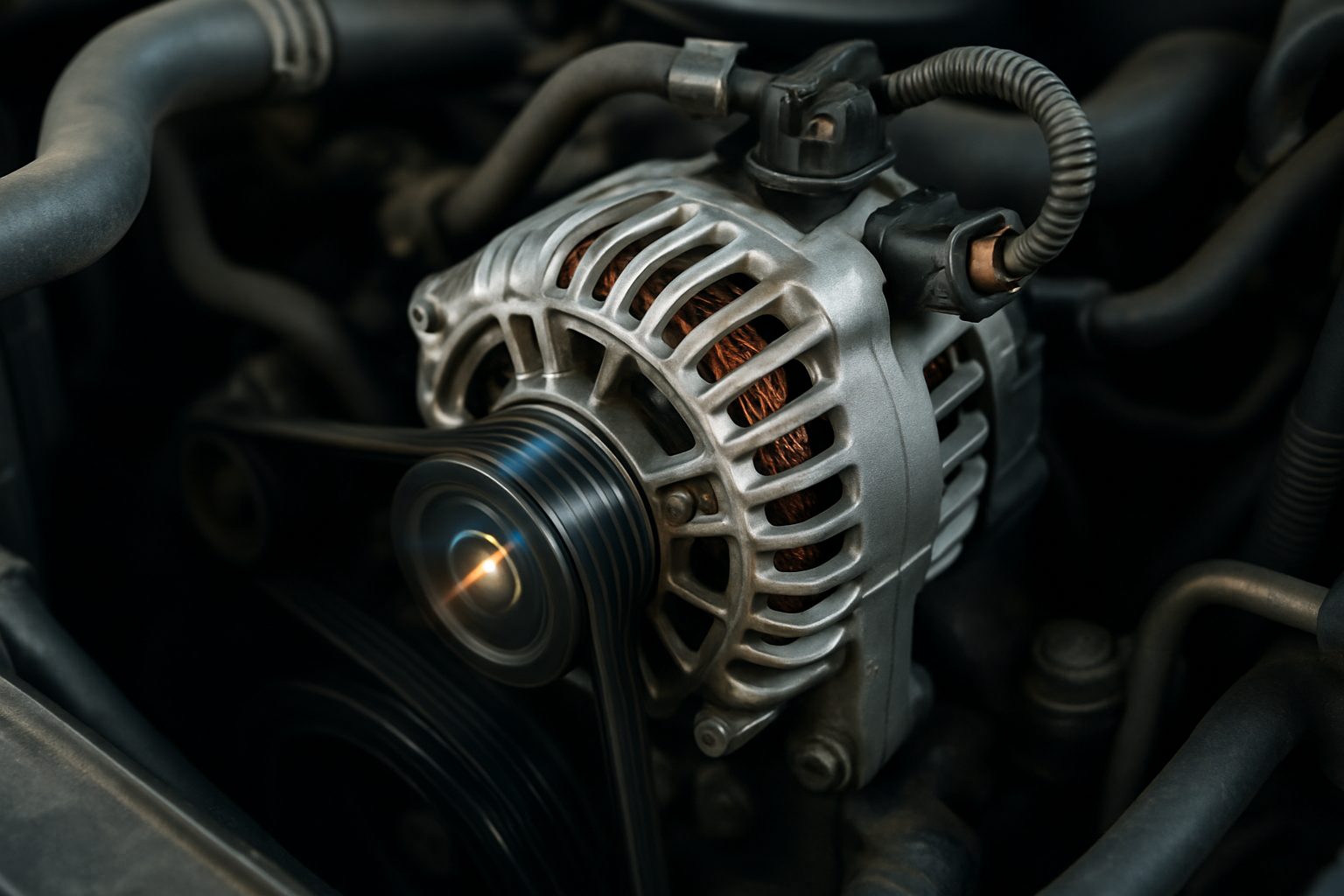
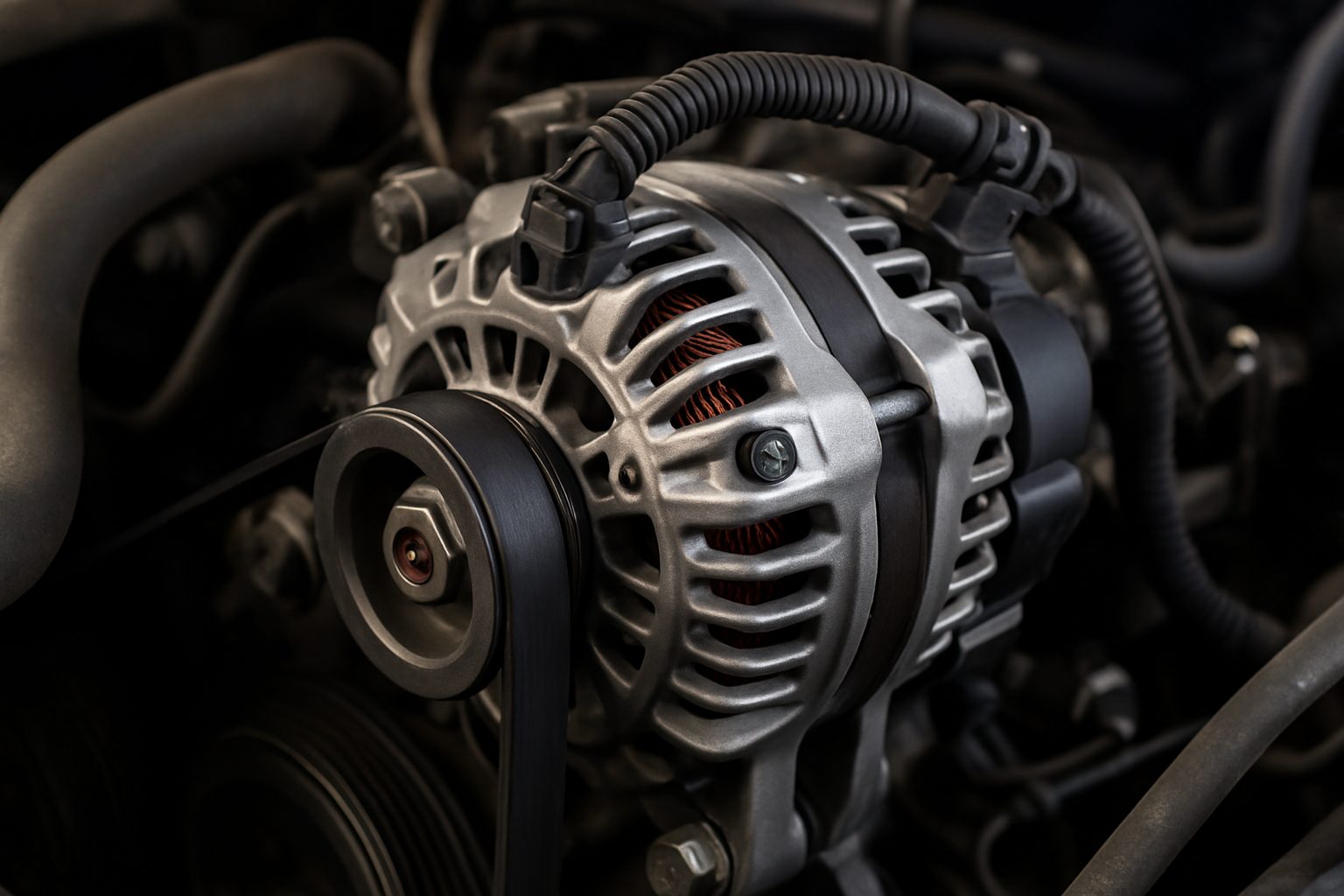
The modular B48 and B58 engines run oil through a plastic filter housing whose gasket stiffens and cracks with heat. A failing gasket can seep oil onto the accessory belt, or it can let coolant cross into the oil and show as a milky film on the filler cap. A surface oil leak and an internal coolant cross look nothing alike once you test for them. We run a pressure test and inspect the cap for emulsion to learn which way the housing is leaking. Because that housing sits high near the belt, a slow seep can soak the belt long before a drop marks the floor.
Read It Straight, Then Fix It Once
A check engine light on a 3 Series is a family of engine-specific faults hiding behind one symbol. Decode the freeze-frame against your exact engine, tie the stored fault to the mechanism driving it, and the right repair lands the first time. We verify the work once the repair is done, so the light stays off instead of returning next week. Stop letting the quiet talk you into waiting, and stop letting a parts cannon decide your bill. When that amber icon lights up, call (925) 830-4701 and Driven Auto Care of San Ramon will decode the cause and set up the repair that holds.