Two MDXs can roll in on the same cold Dublin morning with the same single click, and the cause isn’t the same on either one. One has a battery that quits under load, the other has a circuit that drained it overnight. That temperature-dependent silence wears on a driver, because it hides several faults that feel identical from the seat. We test before we replace, so you pay only for the part that failed, and a first cold snap is the time to settle it.
Start With the Battery’s Cranking Capacity
A battery can read 12.6 volts at rest and still collapse the instant the starter pulls real current in the cold. We run a conductance and load test, then measure the cranking amps it can deliver against the rating printed on the case. Resting voltage tells us little here, because a battery that looks full can still fail under the load a cold engine demands. A weak battery warns you first with a slow crank and dim accessories. This is the cheapest rung on the ladder, so it’s the first one we climb.
Next, the Overnight Parasitic Draw
A battery that tests strong yet sits flat by sunrise points us toward a circuit that refuses to go to sleep. We let every module power down on its own timer, then wire an ammeter in series and read key-off current in milliamps. The doors stay locked and the alarm stays armed for the whole test, because opening one wakes the modules and ruins the reading. Once an elevated draw appears, we pull fuses one at a time and watch for the current to fall. The circuit that drops the number is the one draining the battery overnight.
Then Check for a Water-Intruded Starter
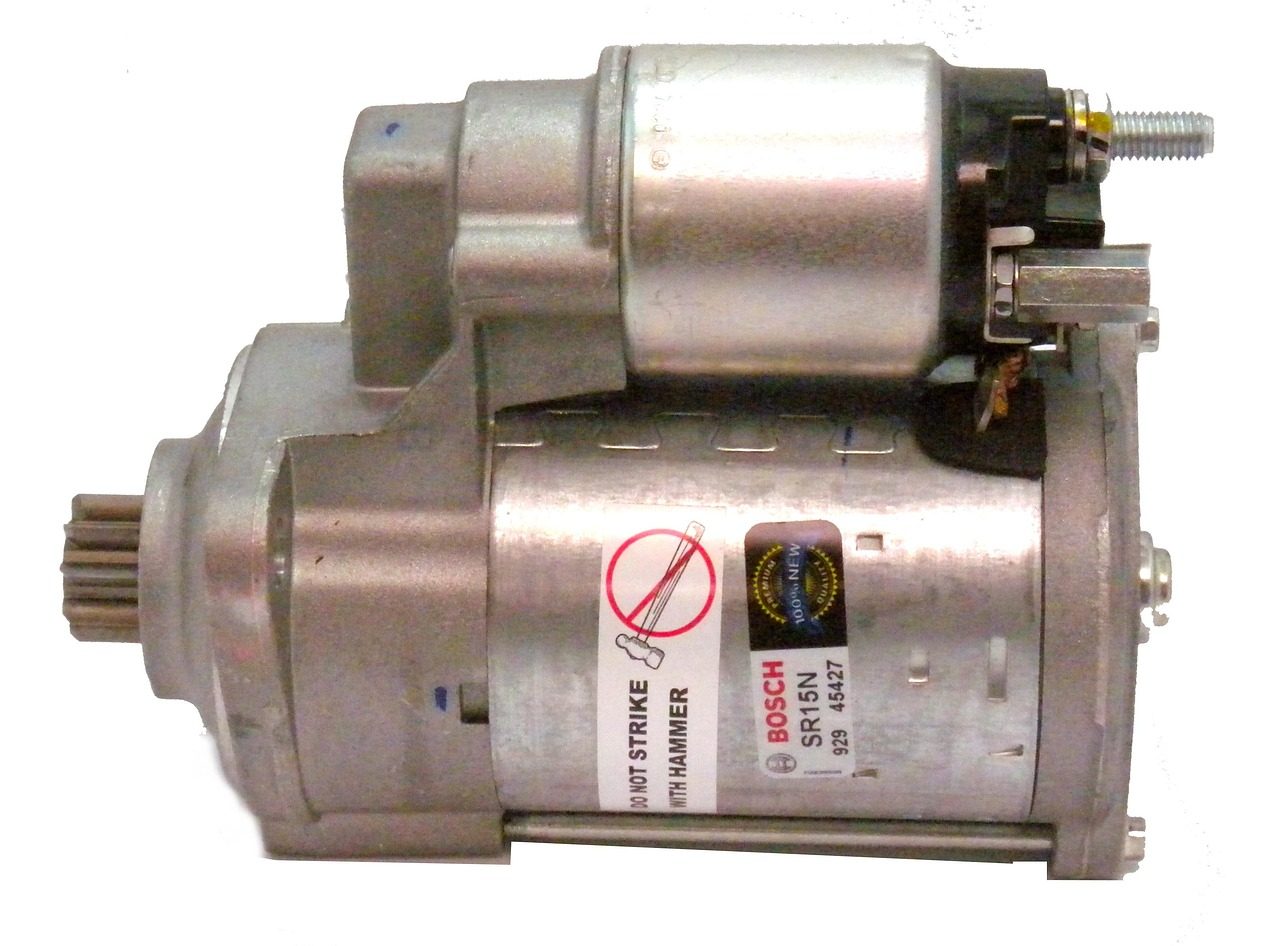
A starter that has taken on moisture can freeze inside after a long cold soak, and that leaves a clue you can hear. The first turn of the key gives a single click, the motor won’t spin, yet the same starter can crank normally once the bay warms. Before that unit comes out, we confirm the start signal reaches the solenoid and we measure full battery voltage at the terminal under load. We also run a voltage-drop test across the start circuit, since corroded cables and tired grounds mimic a failing starter so well. The meter sorts a dead starter from a lazy cable in a couple of minutes.
Then Read Fuel Pressure at the Pump
A spinning engine that still refuses to catch shifts our attention from the start circuit to fuel delivery. We watch low-side fuel pressure on the scan tool and listen for the in-tank pump to prime when the key first goes to run. Cold thickens fuel and leans hard on a marginal pump right when the engine needs a strong prime, so a slow pressure climb can explain a no-start that fades by midday. Reading delivered pressure keeps us from swapping a pump that’s pumping within spec. The number on the tool settles the question on its own.
Last, the Immobilizer After a Deep Discharge
A deep discharge can scramble the smart-entry and immobilizer system, so the engine cranks strong yet won’t start even after a jump. We separate a genuine relearn need from a simple low battery by reading the security system with a bidirectional scan tool. Depending on what the car reports, the fix is a documented key-cycle relearn or a scan-tool key re-registration. We check the fob battery first, since a weak coin-cell can mimic a security fault for pennies. A flat-battery morning shouldn’t have to end with a tow truck and a long wait.
The Ladder Finds the Fault Every Winter
A cold no-start is a chain of suspects that look alike, so we eliminate each one with a tool and a spec instead of a hunch. Cheapest and most likely comes first, and the genuine fault has nowhere left to hide by the time we reach the top. Bring it in on the first cold morning and you walk away with only the one failed part replaced, free of the stack of parts a guesser would have sold you. Your MDX wakes up on the next freezing dawn because we proved the cause instead of betting on it. Call (925) 830-4701 to reach Driven Auto Care of San Ramon when your Acura goes quiet in the Dublin cold.