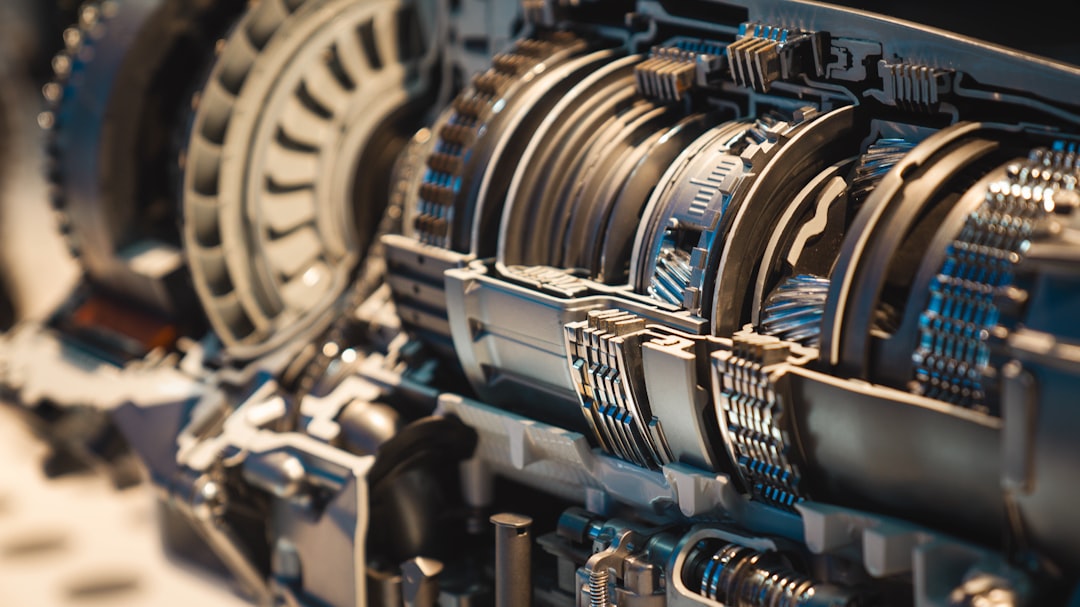
A half-second flare on a firm upshift is the first thing you notice in Dublin traffic. The revs climb, and the X5 hangs before the next gear finally grabs. On the ZF automatic behind the inline-six, that flare under load means the clutch packs are losing the line pressure that holds them locked. The brochure promised fluid filled for the life of the car, and the road kept its own count. We reach for a scan tool and live data before a quote, since the cause hides in one of two places that land far apart on a bill.
The Sleeve That Leaks Pressure and Fluid
The mechatronic unit talks to the wiring loom through a sealed connector sleeve, the adapter where the wiring passes into the transmission. Inside that sleeve, the O-rings flatten and warp as heat and miles stack up. Once they distort, two failures arrive together: fluid weeps out past the seal, and control pressure bleeds down inside the circuit. The clutch packs no longer get the pressure that clamps them, so they slip under load and hand you that flare on the upshift. A part smaller than your thumb can throw a symptom that feels like a dying gearbox.
The Leak That Hides When You Park
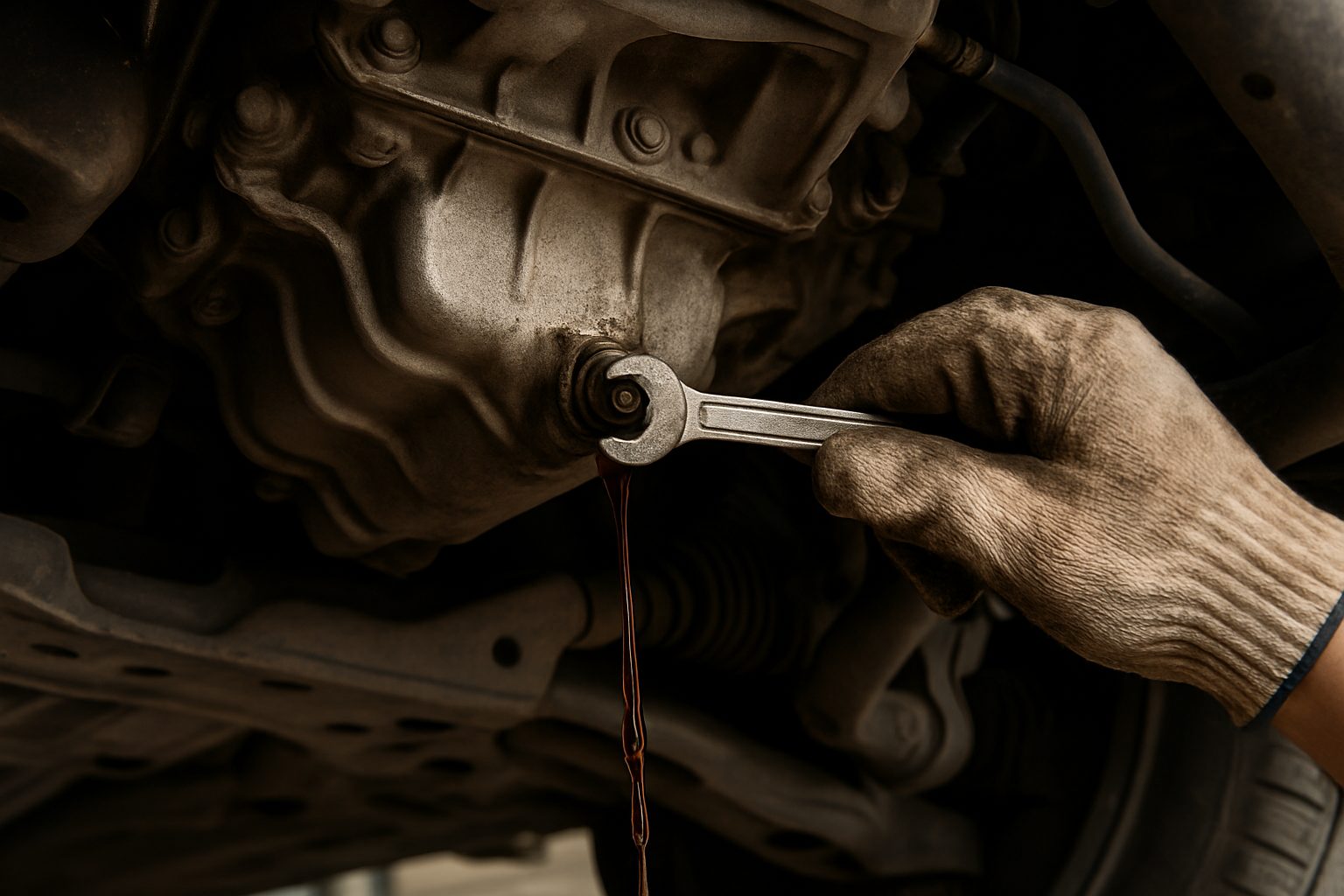
A cold X5 on the lift can read bone dry at the sleeve while the leak runs steady out on the road. The sleeve rides above the static fluid line, so the moment the car parks and the fluid settles, the wet evidence sinks below the seal where no flashlight finds it. We drive the X5 until the transmission climbs to operating temperature, then set it back on the lift and inspect it hot. Fluid tracking along the loom or beading at the connector is the tell that the sleeve has breached. That single hot inspection can change the whole quote.
The Fork: Sleeve and Service, or Full Valve Body
Here the two repair paths split hard, and a wrong turn burns money in either direction. One road runs through a sleeve-and-seal kit and a proper fluid service that stops the external leak and rebuilds pressure. The other road means a full valve body and the transmission control module, and you only travel it when the unit itself has worn through. We read live slip values and watch how the transmission trims its own pressure under load, and those numbers point to your fork. We match the part to the failure, so the repair fits the car in front of us.
How We Tell Which Fork the Car Is On
Aged fluid is the seed of the deeper wear, and the chemistry tells the rest. Old fluid surrenders the friction modifiers the clutches lean on, then starts ferrying clutch dust and fine metal through the hydraulic circuit. That grit drags across the valve bores it passes, and scored bores leak pressure at the exact seats the transmission needs tight. If the hot inspection shows a wet sleeve and the slip data cleans up after a service, the fork is external. If the bores have eroded, the pressure stays soft no matter how fresh the fluid is.
Valve-Body Wear a Relearn Won’t Cure
Your X5 buries early valve-body wear better than you’d guess, because the adaptive strategy keeps shaving pressure and timing to paper over the eroding bores. That cover holds until the adaptation runs out of room. Then the shifts fall apart, surfacing as a 2-1 clunk rolling to a stop or a 4-5 flare on the highway. A reflash rewrites the control logic, and software can’t rebuild metal that fluid wore out of the bore. These units carry no dipstick, so fluid temperature is the one honest way to set the level.
Back to That Flare on the Upshift
Return to that half-second hang you felt on the firm upshift. Whether it clears with a sleeve and a fluid service or calls for a valve body depends on what the hot inspection and the slip data show, and we read both before anyone quotes a transmission. That way you pay for the failure in front of you, and the gear takes hold cleanly again the next time you accelerate. The X5 shifts the way ZF built it to, on the repair the car earned. Call (925) 830-4701 from Dublin and Driven Auto Care of San Ramon will read the gearbox the day your X5 starts to slip.