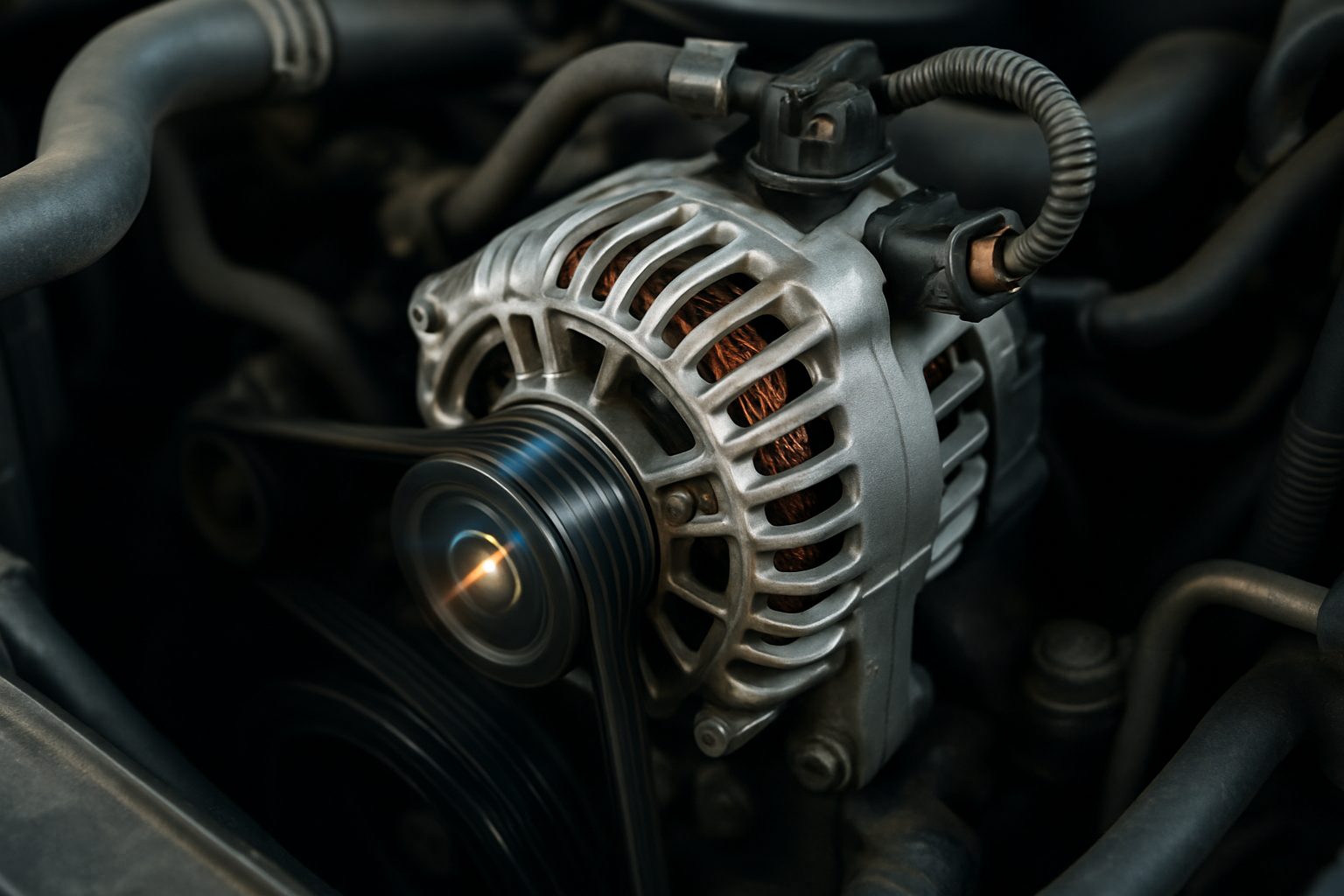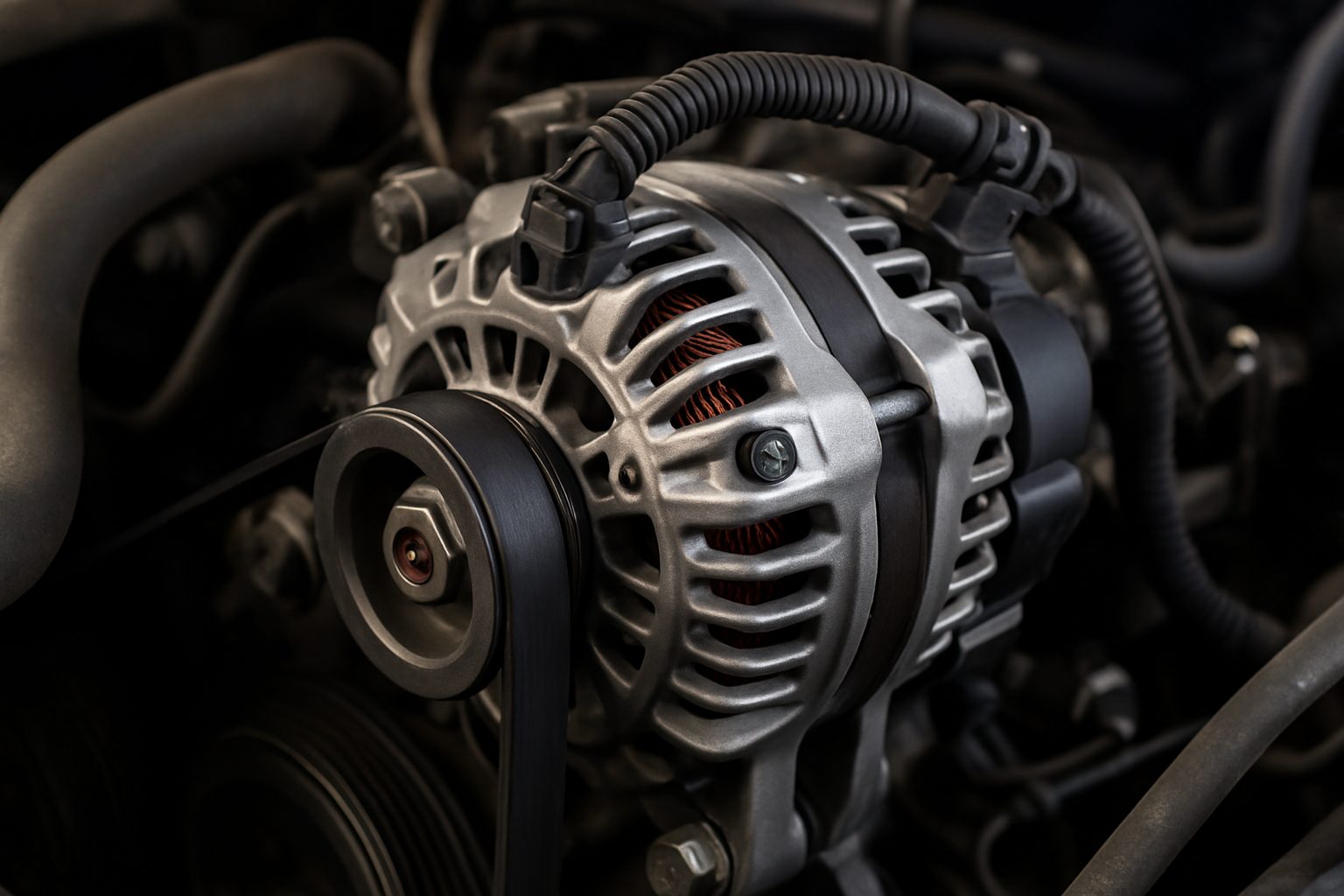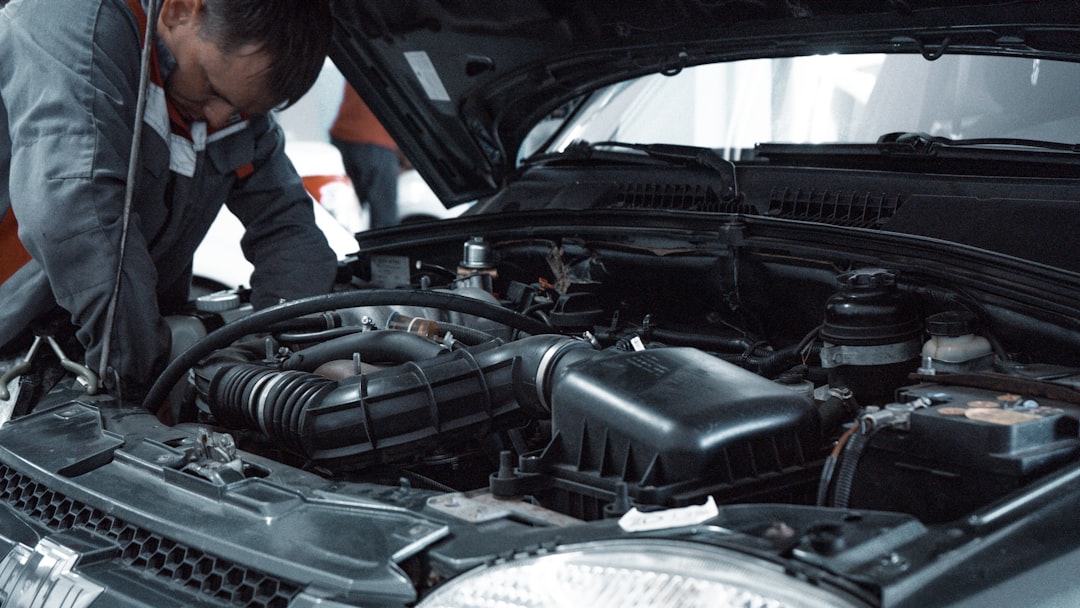
At a Danville stoplight your steering wheel and seat give off a low buzz, the kind you feel more than hear, and the second the car rolls forward it smooths right out. On a 1.8-liter R18 Civic that pattern points to the engine mounts and the electronic throttle, and it rarely means the engine itself is tired. We start every idle complaint with a reading, because a buzz you can feel deserves a number we can trust. A torn mount and a wiped electronic idle each shake the car their own way, so the meter sorts them apart first.
The Myth: A Shaking Engine Is a Worn Engine
Owners assume a buzz at idle means the engine is wearing out, and on this car that's seldom the truth. Every inline-four produces a second-order vibration as the pistons change direction, and a healthy Civic hides it inside liquid-filled engine mounts. When one of those mounts tears and weeps its fluid, the buzz you used to ignore comes straight into the cabin at idle. We rock the engine in Drive and Reverse with small throttle blips and watch how far the powertrain lurches against its mounts. A torn mount leaves an oily film, and the engine still fires evenly with no misfire code.
The Reality: A Battery Swap Can Cause It
This is the part that catches folks who change their own battery at home. The R18 runs a drive-by-wire throttle, and the computer learns its own closed-throttle position as it goes. Disconnect the battery or clean the throttle body, and that learned value can wipe, which leaves the engine hunting or stalling until the throttle relearns where closed sits. We run the idle relearn on the scan tool and let the engine settle through its warm-up until the rpm holds. A battery job done without that relearn hands the customer back the shake they walked in with.
Unmetered Air Leans and Roughens the Idle
A vacuum leak lets air sneak into the engine without passing the sensor that measures it, and at idle that small extra air throws the mixture off. We watch long-term fuel trim on the scan tool, and a number climbing well into the positive range tells us the computer is fighting to add fuel. The usual entry points sit at the intake-manifold gasket or the brake-booster line behind the engine. To pin the exact spot we run a smoke test and watch where it seeps, or we feed propane around the joints and listen for the idle to change. Once we seal that path, the trim numbers drift back toward zero and the buzz leaves with them.
A Single Weak Coil Makes One Cylinder Stumble
Now and then the shake isn't the whole engine rolling, and one cylinder is dropping out for a beat. We read cylinder-specific misfire counts on the scan tool to see which one keeps falling behind. Then we move the suspect coil to a neighboring cylinder and drive it to watch where the counter climbs. A misfire that travels with the coil tells us that part is weak, so we replace the one piece instead of a fresh set. A misfire that stays put points us deeper, toward the spark plug or a compression check.
The Cold Rattle Is Its Own Story
A brief rattle on cold start sends a lot of Civic owners chasing the wrong fix. That short metallic chatter traces to a timing-chain tensioner that hasn't built oil pressure yet, and it quiets within a second of running. We separate it from accessory-belt noise by briefly removing the drive belt and listening for the sound to vanish or hold. Pinning the source keeps a tensioner job from turning into a guessing game under the valve cover. We settle the idle by relearning the throttle and load-testing the mounts before we swap a part, so call (925) 830-4701 to reach Driven Auto Care of San Ramon, and your Civic heads home to Danville idling steady.