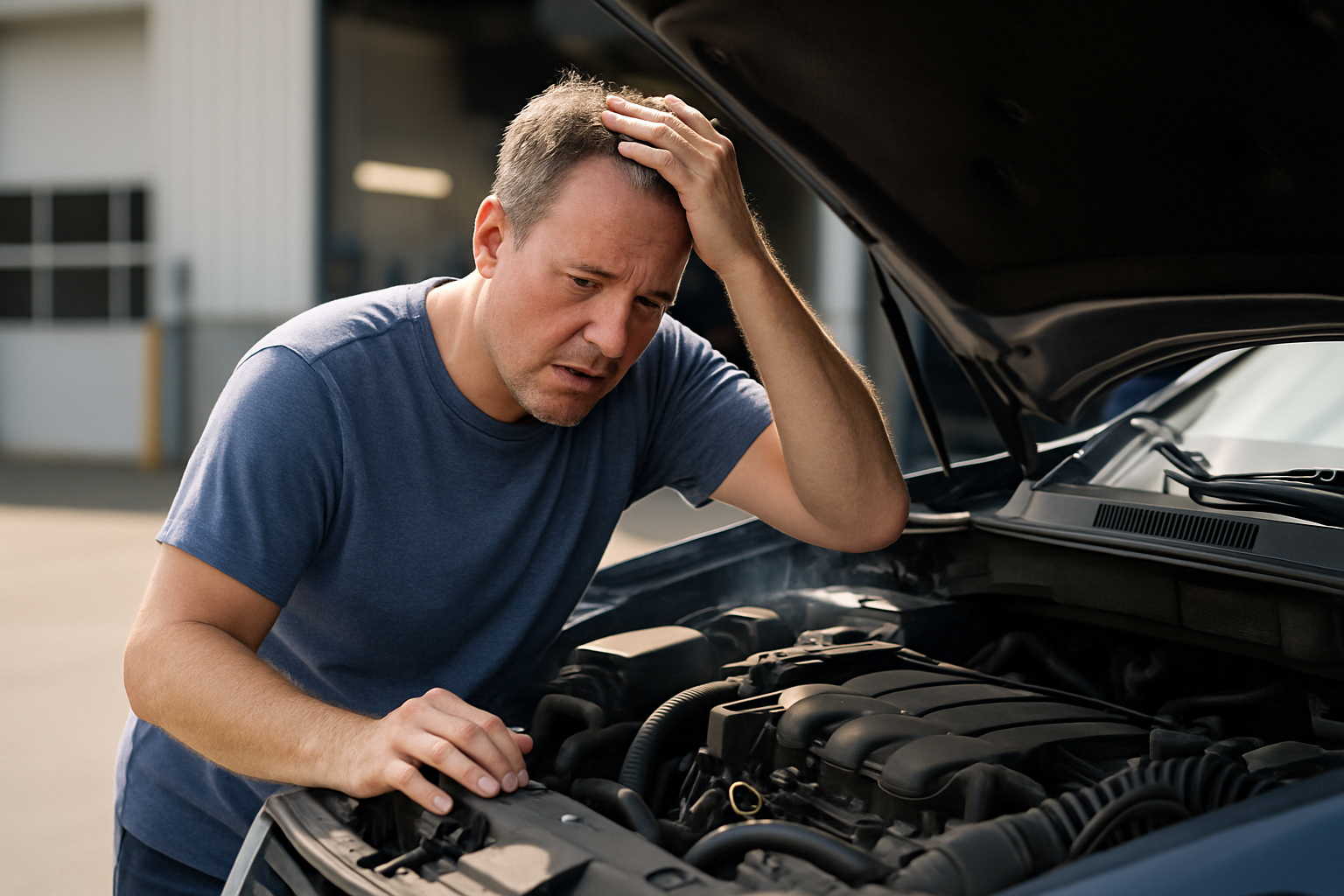
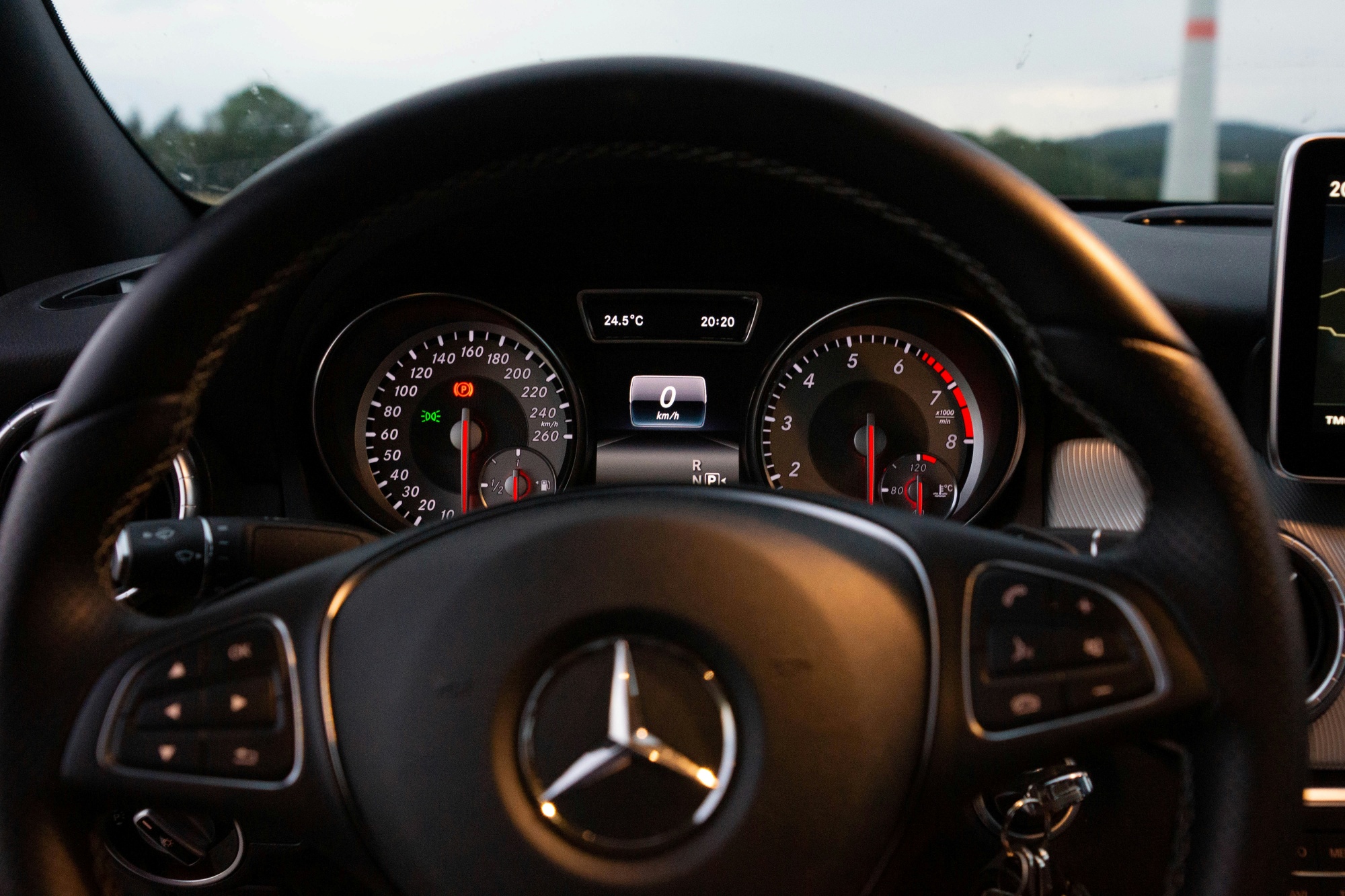
 A Mercedes-Benz C-Class should hold a steady operating temperature during daily driving. If the temperature gauge climbs, the warning light appears, or the engine feels hotter than normal after short trips, the cooling system needs attention. Running hot may start as a small concern, but it can become expensive if the engine overheats.
At Driven Auto Care of San Ramon, CA, we help Blackhawk-area drivers find the cause before heat damages gaskets, seals, hoses, or internal engine parts. Mercedes cooling systems rely on proper coolant level, circulation, airflow, pressure, and electronic control. If one part falls out of range, the engine may heat up quickly.
Low coolant is one of the first things to check. The C-Class may lose coolant from a hose, radiator, expansion tank, water pump, thermostat housing, or other connection point. Some leaks leave visible puddles. Others evaporate on hot engine parts, leaving only a sweet smell, white residue, or a low coolant warning. A small leak still matters because the system needs the right volume and pressure to move heat away from the engine.
The thermostat may also cause the engine to run hot. This part controls coolant flow between the engine and radiator. If it sticks closed or opens too late, coolant cannot circulate correctly. The temperature may rise fast, especially in traffic or during stop-and-go driving. If it behaves inconsistently, the gauge may fluctuate rather than remain steady.
A weak water pump is another concern. The water pump circulates coolant through the engine, radiator, and heater core. When it wears, leaks, or loses efficiency, the coolant may not move fast enough to control temperature. Drivers may notice overheating at idle, heat loss from the vents, coolant residue, or noise near the front of the engine.
Radiator and cooling fan issues can also cause a C-Class to run hot. The radiator releases heat from the coolant, while the fan pulls air through the radiator when the car is moving slowly. If the radiator is clogged, leaking, or blocked by debris, or if the fan does not operate properly, the car may run hotter in traffic than on the freeway.
Pressure problems should not be overlooked. A bad cap, cracked reservoir, trapped air, or weak hose can keep the cooling system from holding pressure. When pressure drops, coolant may boil sooner, temperatures may rise, and warning lights may appear.
It is best not to keep driving a C-Class when it is running hot. Excess heat can warp metal surfaces, damage head gaskets, weaken plastic cooling parts, and turn a manageable repair into major engine work.
When we inspect a Mercedes-Benz C-Class for running-hot concerns, we check coolant level, leak points, pressure, thermostat operation, fan function, radiator condition, and water pump performance. Then we explain the findings clearly.
If your Mercedes-Benz C-Class is running hot, bring it to Driven Auto Care of San Ramon, CA. We serve Blackhawk-area drivers with accurate diagnostics, practical repair guidance, and service focused on protecting your engine before heat causes lasting damage.