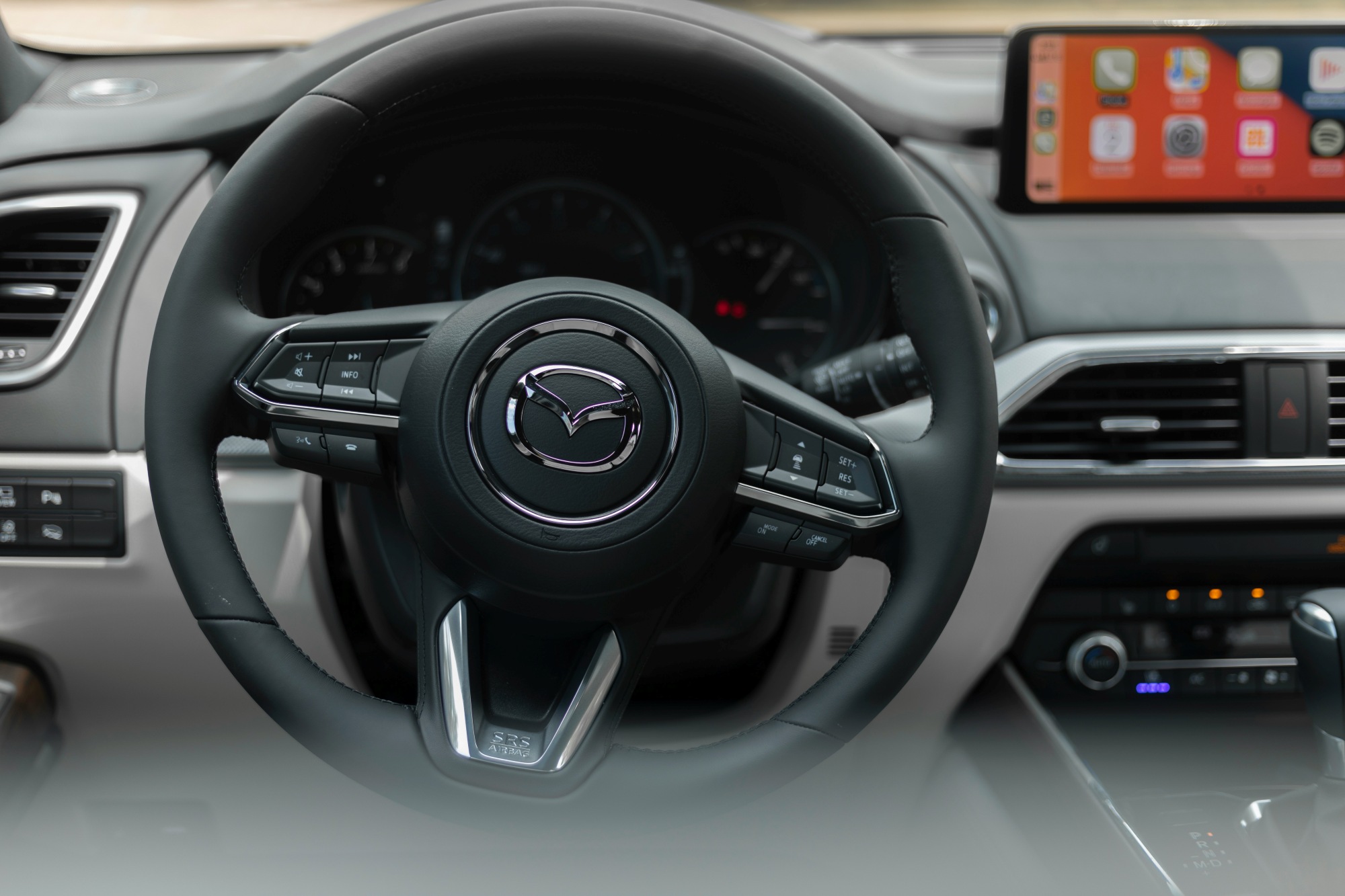
 A Mazda CX-5 should feel stable and controlled at the wheel. If the steering wheel shakes while driving, braking, or accelerating, the vehicle is giving you a warning. Some causes are simple. Others affect safety, tire life, braking, and front-end stability.
At Driven Auto Care of San Ramon, CA, we help Blackhawk-area drivers find the source of steering wheel vibration before the problem spreads. The pattern matters. A shake at highway speed often points in a different direction than a shake while braking, turning, or driving over rough pavement.
One of the most common causes is tire imbalance. When a tire and wheel assembly is unbalanced, the steering wheel may begin to shake at 50 to 70 mph. The vehicle may feel smooth at lower speeds, then vibrate once the wheels spin faster. Missing wheel weights, uneven tire wear, bent wheels, or damaged tires may all create this problem.
Alignment issues may also cause the steering wheel to move. If the CX-5 pulls to one side, the steering wheel sits crooked, or the tires wear unevenly, the alignment should be checked. Poor alignment may not always cause a strong shake on its own, but it can wear the tires in a pattern that later produces vibration.
Brake rotor problems usually show up as shaking during braking. If the steering wheel pulses as you slow down from freeway speed, the front brake rotors may have uneven surface wear, heat spots, or thickness variation. Worn pads, sticking calipers, or brake hardware issues may add noise, pulling, or an uneven stopping feel. Since braking performance is involved, this type of shake should be inspected quickly.
Worn suspension or steering components are another possibility. Tie rods, control arm bushings, ball joints, struts, and related front-end parts help keep the tires steady on the road. When those parts loosen or wear, the CX-5 may feel unstable, clunk over bumps, or shake through the steering wheel. A front-end inspection helps confirm whether the vibration is due to normal tire wear or worn mechanical parts.
Wheel bearings can also cause vibration, often with a humming, roaring, or growling sound. The noise may change with speed or when turning. A failing bearing affects how the wheel rotates and supports vehicle weight, so it should not be ignored.
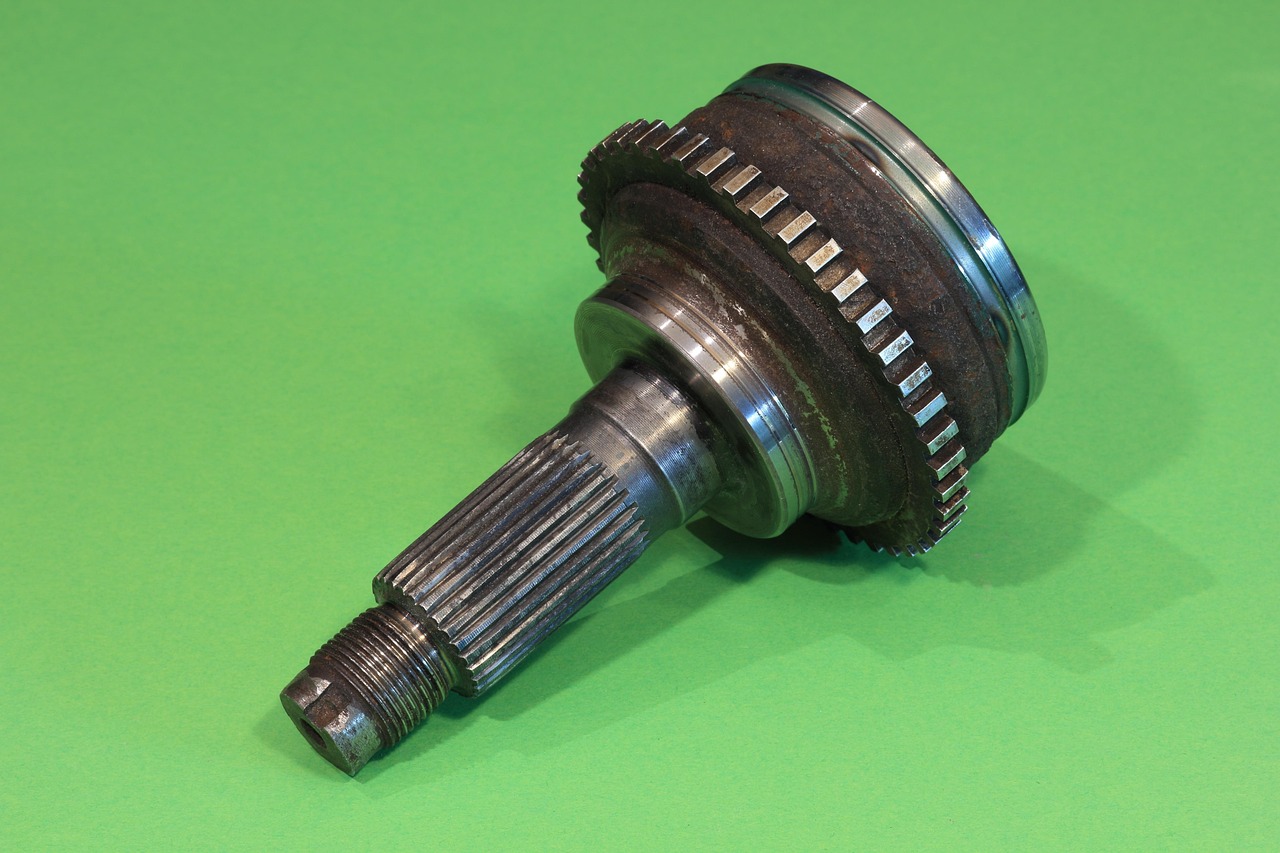
In some cases, the issue may involve an axle or CV joint, especially if the shaking appears during acceleration or turns. This is less likely than tire or brake problems, but it is still worth checking when symptoms point toward the drivetrain.
When we inspect a Mazda CX-5 with steering wheel shake, we check the tires, wheels, balance and alignment, brakes, bearings, suspension, steering components, and visible drivetrain components. Then we explain what we found in plain language and recommend the repair needed.
If your Mazda CX-5 steering wheel is shaking, bring it to Driven Auto Care of San Ramon, CA. We serve Blackhawk-area drivers with clear diagnostics, practical repair guidance, and service focused on safer, smoother driving.