 If your Subaru Forester needs oil before the next scheduled oil change, it is worth paying attention. Some oil use may happen as engines age, but regular top-offs, low oil warnings, smoke, or a burning smell should not be treated as normal without inspection.
At Driven Auto Care of San Ramon, CA, we help Forester owners determine whether the vehicle is truly burning or leaking oil, or both. Those are different problems, and the right repair depends on finding the real source.
Oil burning usually means engine oil is entering the combustion chamber and getting burned with fuel. Drivers may notice blue-gray smoke from the exhaust, especially during startup, acceleration, or long downhill deceleration. Other signs include a low oil level, rough running, spark plug fouling, reduced fuel economy, or an exhaust smell stronger than usual.
A common place to start is the PCV system. The positive crankcase ventilation system helps manage pressure and vapor inside the engine. If the PCV valve sticks or fails, oil vapor may be pulled into the intake, or pressure may build inside the engine. That may increase oil use or worsen existing leaks. Because this part is smaller and less invasive than internal engine work, it should be checked before jumping to bigger conclusions.
Worn piston rings or cylinder wear may also cause oil consumption. When rings no longer seal properly, oil can move past them and burn during combustion. This problem may appear more under load, during high-speed driving, or as mileage increases. Testing may include checking oil level history, inspecting spark plugs, looking for smoke patterns, and performing compression or leak-down testing if symptoms point deeper inside the engine.
Valve stem seals are another possible cause. These seals help keep oil from entering the combustion chamber through the valve guides. When they wear, the Forester may smoke briefly after sitting overnight or after idling. The smoke may fade while driving, which makes the issue easy to overlook until oil loss becomes more frequent.
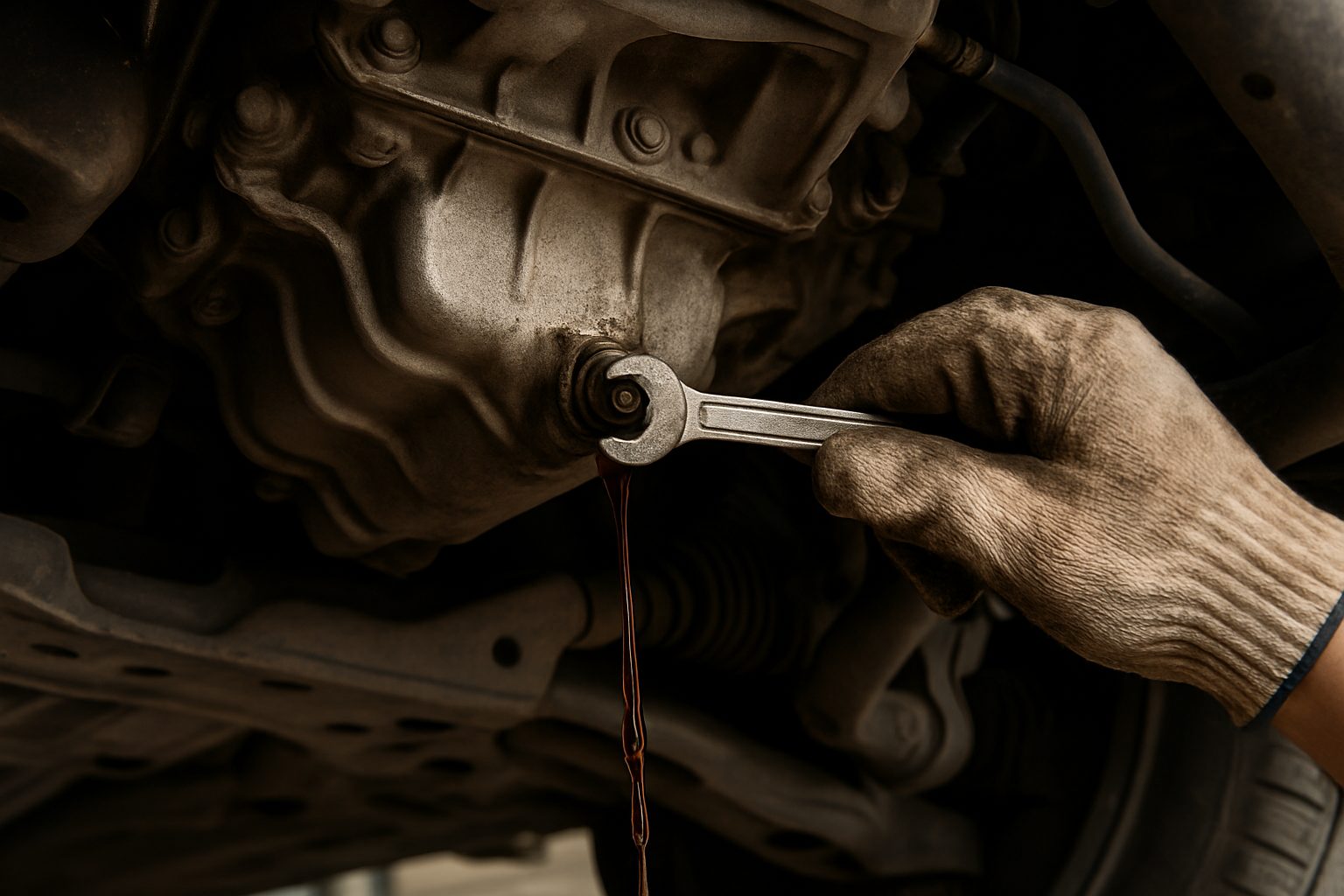
Not every low oil concern means the engine is burning oil. Foresters may also lose oil through valve cover gaskets, timing cover areas, drain plug seals, oil pan areas, or other external leak points. Oil can spread across the underside of the vehicle, making a small leak appear larger or completely hiding the source. That is why we inspect before recommending repairs.
Driving with low oil is risky. Engine oil lubricates bearings, timing components, camshafts, pistons, and other moving parts. When the oil level drops too far, heat and friction increase. Over time, the engine may develop noise, wear faster, or suffer major damage.
If your Subaru Forester is burning oil between changes, bring it to Driven Auto Care of San Ramon, CA. We will check the oil level, inspect for leaks, review service history, test likely causes, and explain what we find in plain language. Our goal is simple: protect your engine, stop the guessing, and help you make the right repair decision.