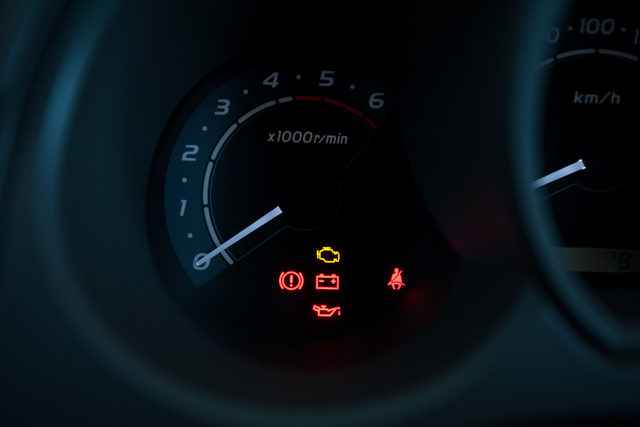
 A flashing check engine light is different from a steady one, and on a Hyundai Sonata, it usually means you should stop treating it like a “maybe later” problem. At Driven Auto Care of San Ramon, CA, we work on Hyundai vehicles every day, including the Sonata, and our Hyundai service page already lists misfires, engine knock concerns, rough shifting, cooling leaks, and dashboard warnings among common Sonata issues. The San Ramon shop also serves nearby communities like Danville and offers free inspections and diagnostics, digital inspections, and a 3-year, 36,000-mile warranty.
The big reason the light flashes is usually an active misfire. Driven Auto Care’s recent Hyundai check engine light article states that a flashing light often indicates an active misfire that can damage the catalytic converter and should not be ignored. Hyundai’s own owner guidance backs up the seriousness. The Hyundai owner’s manual says the malfunction indicator lamp indicates a problem with the engine, powertrain, or emissions system and warns that catalytic converter damage is possible, which may result in a loss of engine power.
So what causes the misfire? On a Sonata, a few issues often occur. Worn spark plugs or a weak ignition coil are common causes. Oil leaking into the spark plug wells can also contaminate the plug area and trigger a misfire. Driven Auto Care specifically notes misfires as a recurring Sonata concern, and its Hyundai check-engine article says worn plugs, failing coils, and oil seepage into plug wells are common patterns the shop sees. Other causes of the check engine light on Hyundai models can include fuel mixture faults, sensor faults, EVAP problems, or intake air leaks. Still, a flashing light pushes misfire higher on the suspicion list because it is the kind of fault that can do damage quickly.
Drivers usually notice more than the light itself. A Sonata with an active misfire may shake at idle, hesitate on acceleration, feel weak on the climb, or sound rougher than normal. Driven Auto Care’s Hyundai check-engine article describes exactly those symptoms, including rough idle, stumbling on acceleration, and weak performance. Hyundai’s owner information also warns that when the malfunction indicator lamp remains on, drivability and fuel economy may be affected. In plain English, the car often tells you it is unhappy before it fully leaves you stranded.
Why does this need quick attention? Because unburned fuel from a misfire can overheat and damage the catalytic converter. Hyundai-focused service references consistently state that a flashing check engine light often indicates a severe engine misfire, allowing unburned fuel into the exhaust, which can raise converter temperature and cause major damage. That means the flashing light is not just warning you about the original problem. It is also warning you about the expensive repair waiting behind it if you keep driving too long.
This is also why a quick code pull is not enough. A code points us toward the affected system, but it does not automatically identify the exact failed part. Driven Auto Care’s Hyundai content makes that point clearly. The shop confirms the cause through testing, then keeps the repair focused, whether the problem is a plug, a coil, a valve cover leak contaminating a plug well, an intake leak, or something else in the fuel or emissions system. That approach fits the same explanation-first style used throughout the San Ramon Hyundai service page.
If your Hyundai Sonata check engine light is flashing now, call Driven Auto Care of San Ramon, CA at (925) 830-4701. We will inspect the problem, explain what is actually causing the warning, and help you fix it before a misfire turns into catalytic converter damage, power loss, or a much bigger repair bill.