 Yes, a coolant leak in a Dodge RAM can absolutely cause overheating on the highway, and it often shows up there first. At lower speeds, some trucks hide the problem for a while. Then a longer drive, steady engine load, or warm weather exposes it fast. At Driven Auto Care of San Ramon, CA, we help drivers from Danville and nearby communities diagnose cooling problems before a small leak turns into a roadside headache or a costly engine repair. The San Ramon shop highlights free diagnostics, digital inspections, and a 3-year, 36,000-mile warranty, which fits exactly what a cooling-system issue needs: real answers, not guesswork.
The reason is simple. Your RAM’s cooling system needs the right amount of coolant moving through the engine and radiator to carry heat away. When coolant leaks out, the system loses capacity and pressure. RepairPal lists coolant leaks among the most common reasons a Ram 1500 overheats, along with thermostat and radiator fan problems. It also points to the usual leak sources, including hoses, the radiator, and the water pump. In plain English, if coolant escapes, the truck loses part of its ability to control heat, and highway miles can push the problem from “minor” to “now we have a temperature problem.”
Highway driving tends to make the issue more obvious because the engine stays under a steady workload for a longer stretch. If coolant is already low, even by a modest amount, the system has less margin to absorb and move heat. A leak from a hose connection may seem minor in town, then become a bigger problem once pressure and temperature stay elevated over several miles. RepairPal’s RAM symptom pages tie overheating directly to coolant leaks and note that damaged hoses, a failing water pump, or a compromised radiator can all cause the engine temperature to climb beyond normal levels.
There are usually warning signs before a full overheating. You may notice a sweet smell after parking, a low coolant reservoir, dampness or crusty residue near a hose or radiator seam, or a temperature gauge creeping higher than normal. In some cases, the heater may stop blowing consistently warm air because low coolant or trapped air disrupts circulation. Driven Auto Care’s recent coolant-leak content highlights the same early clues, including a sweet smell, low coolant levels, visible seepage, steam, and a gauge that starts climbing on the road. Those are not “watch it for a week” symptoms. Those are cooling-system warning shots.
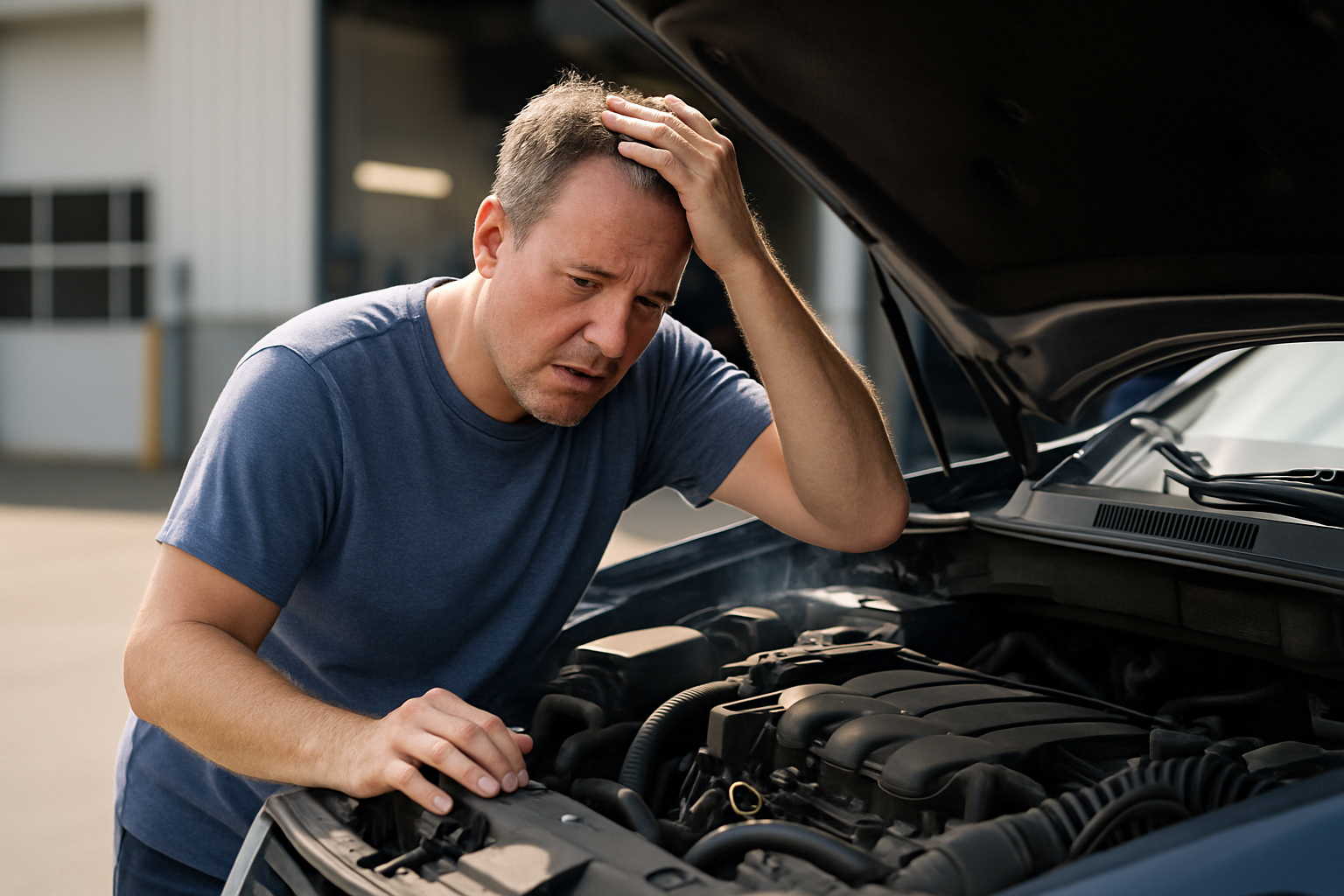
If the truck does begin to overheat on the highway, do not try to tough it out and make it home. RAM owner guidance is pretty direct on this point. If the engine coolant temperature warning comes on while driving, you should safely pull over and stop. Turn off the A/C, shift to neutral, and let the engine idle. If the temperature does not return to normal, turn the engine off immediately and call for service. That warning is there because overheating can move from inconvenience to engine damage in a hurry.
This is also why diagnosis matters so much. Not every overheating complaint comes from the same failed part, even when coolant loss is involved. One RAM may need a hose and clamp, another may need a radiator, and another may have a leaking water pump or a thermostat issue contributing to the heat rise. At Driven Auto Care of San Ramon, CA, we inspect the system, confirm the source, and match the repair to the actual failure instead of throwing parts at the truck and hoping for the best.
If your Dodge RAM is losing coolant or running hot on longer drives, call Driven Auto Care of San Ramon, CA at (925) 830-4701. We will find the leak, explain what is happening in plain language, and help you prevent a highway overheating problem before it turns into a much bigger repair.