 What Coolant Does In A Land Rover
Coolant keeps the engine temperature in a safe range. It moves through passages in the engine, then flows to the radiator to shed heat. The water pump keeps the circulation moving. The thermostat opens and closes to control flow as the engine warms up. Hoses and pipes carry coolant between parts, and clamps keep those connections tight. The whole system runs under pressure once the engine is hot. That pressure helps cooling work well, but it can also turn a small weak spot into a steady leak.
Coolant Leak Sources We See Most Often
Land Rover cooling systems leak in predictable places. The exact layout changes by model, but we see the same types of failures. Plastic parts age. Seals flatten. Clamps lose bite. Heat cycles do the rest.
Common leak sources include:
- Coolant Reservoir and Cap: The tank can crack at seams, and a worn cap seal can let pressure escape. That can push coolant out and leave a dried crust around the neck.
- Radiator Seams And End Tanks: Hairline cracks form where plastic meets metal or around fittings. Leaks may only show once the system builds pressure.
- Upper and Lower Radiator Hoses: Hose ends can soften, clamps can loosen, and small seep trails can form at the joint.
- Thermostat Housing And Gaskets: A seep here can drip onto hot engine parts and create a strong smell with no big puddle.
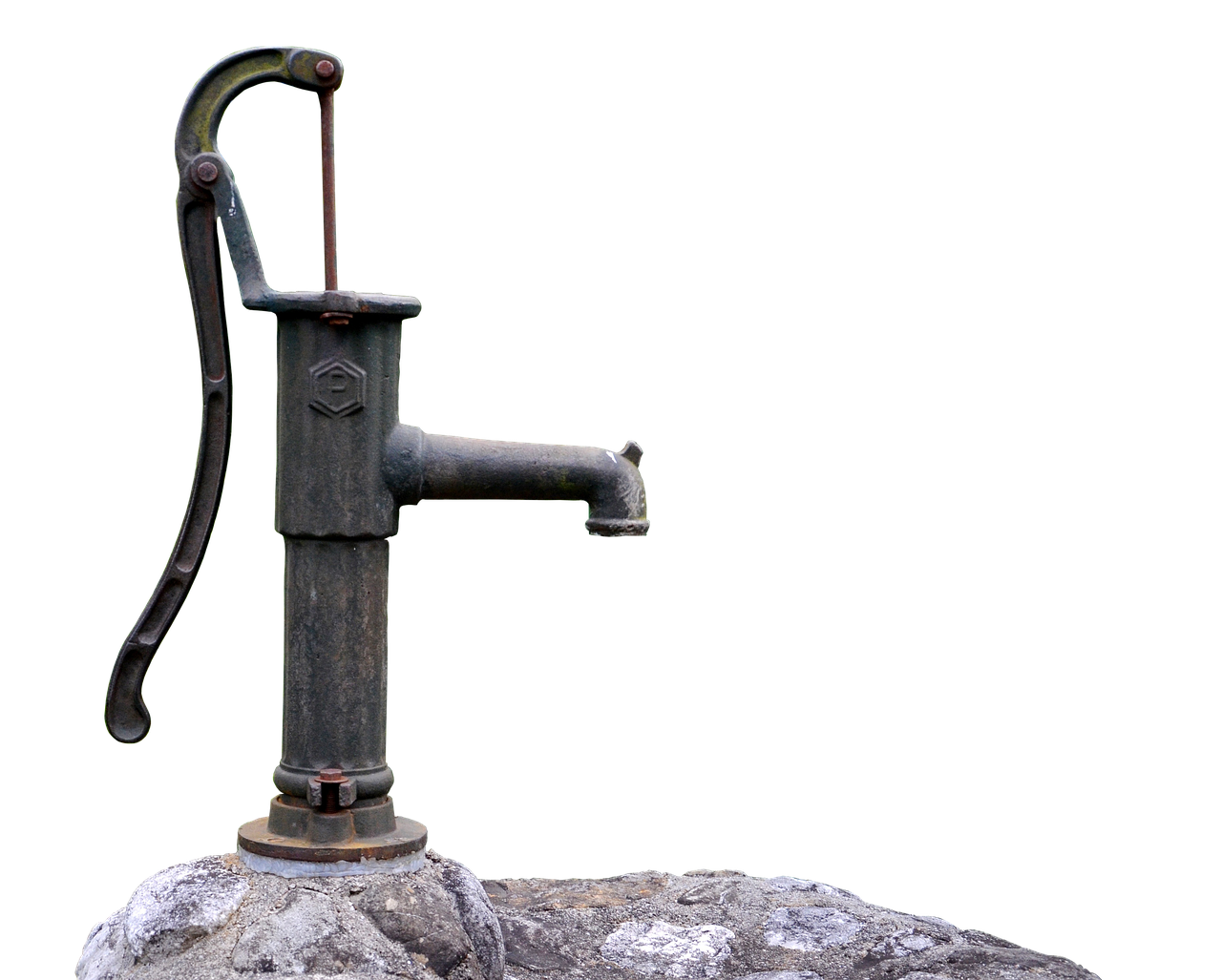
- Water Pump Leaks: Many pumps start with a small seep at the weep hole or gasket area. The leak can grow fast once the bearings wear.
- Heater Hoses And Pipes: Leaks near the firewall can send odor into the cabin, and the windshield may fog more than normal.
- Coolant Crossovers And Plastic Flanges: These parts can warp, crack, or leak at O-ring seals as they age.
Early Warning Signs Drivers Should Take Seriously
Most coolant leaks give you a heads-up. The signs can feel small, but they matter.
- Sweet smell after driving or right after shutdown
- Coolant level drops in the reservoir over a few days
- Puddle under the front of the vehicle, often pink, orange, or green
- White or colored crust around hose joints, seams, or the reservoir neck
- The heater blows cooler at idle, then warms up once you start moving
- Steam or a light haze from the hood area
- The temperature gauge climbs above its normal spot
Why Overheating Happens So Fast
Land Rover engines retain a lot of heat, and they heat-soak after you shut the car off. When coolant drops below a safe level, flow breaks down. Hot spots form inside the engine. That can warp parts and damage gaskets. It can also stress sensors and wiring near high-heat areas. One overheat event can turn a repairable leak into a major bill.
Cabin heat changes can be a clue, too. Low heater output at idle can mean low flow or air pockets. Air pockets block circulation, and temps climb sooner.
Schedule Land Rover Coolant Leak Service Today
If your Land Rover is losing coolant or showing overheat warning signs, schedule service with Driven Auto Care of San Ramon, CA. We will find the leak source, explain the repair clearly, and fix the problem before overheating leads to major engine damage.