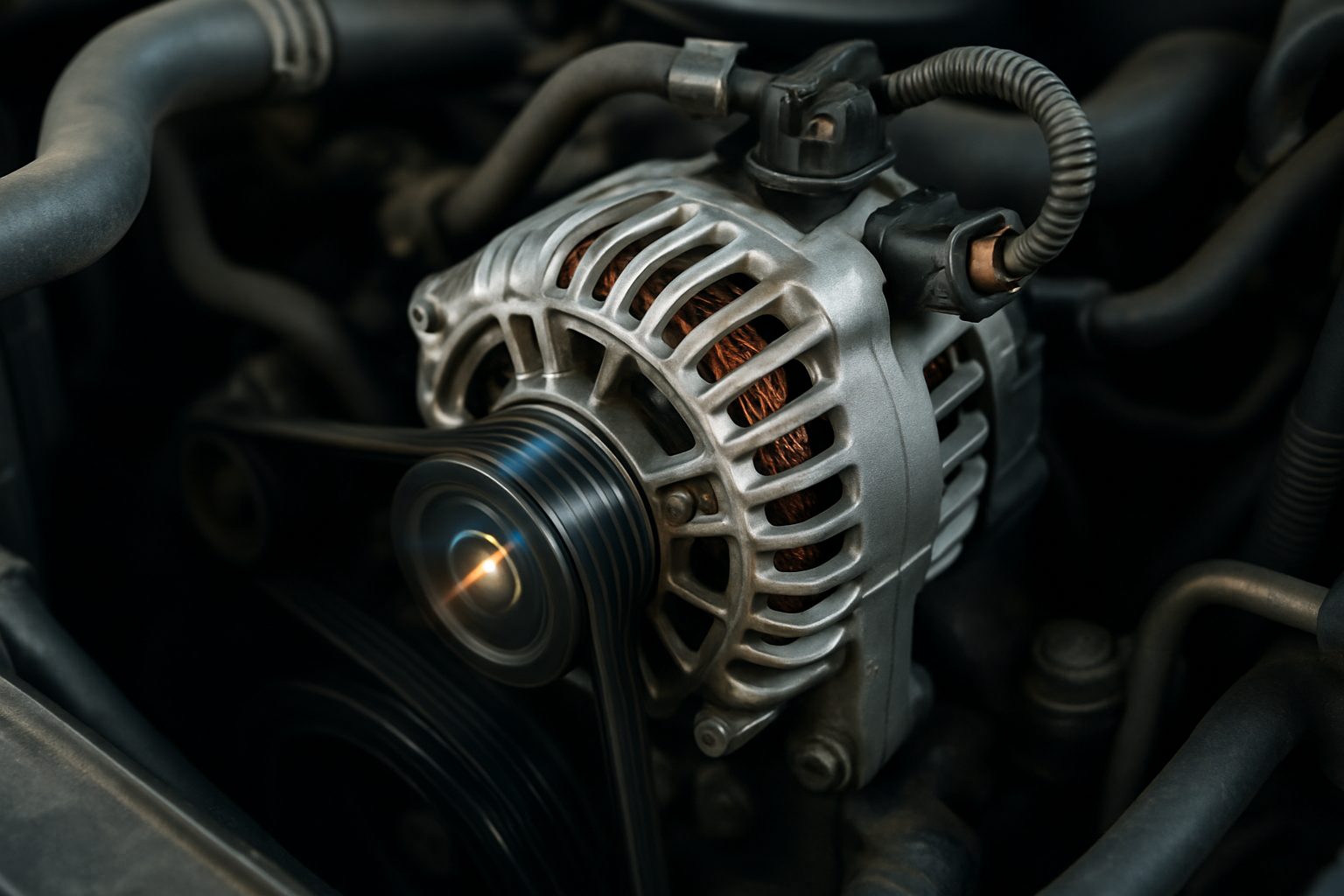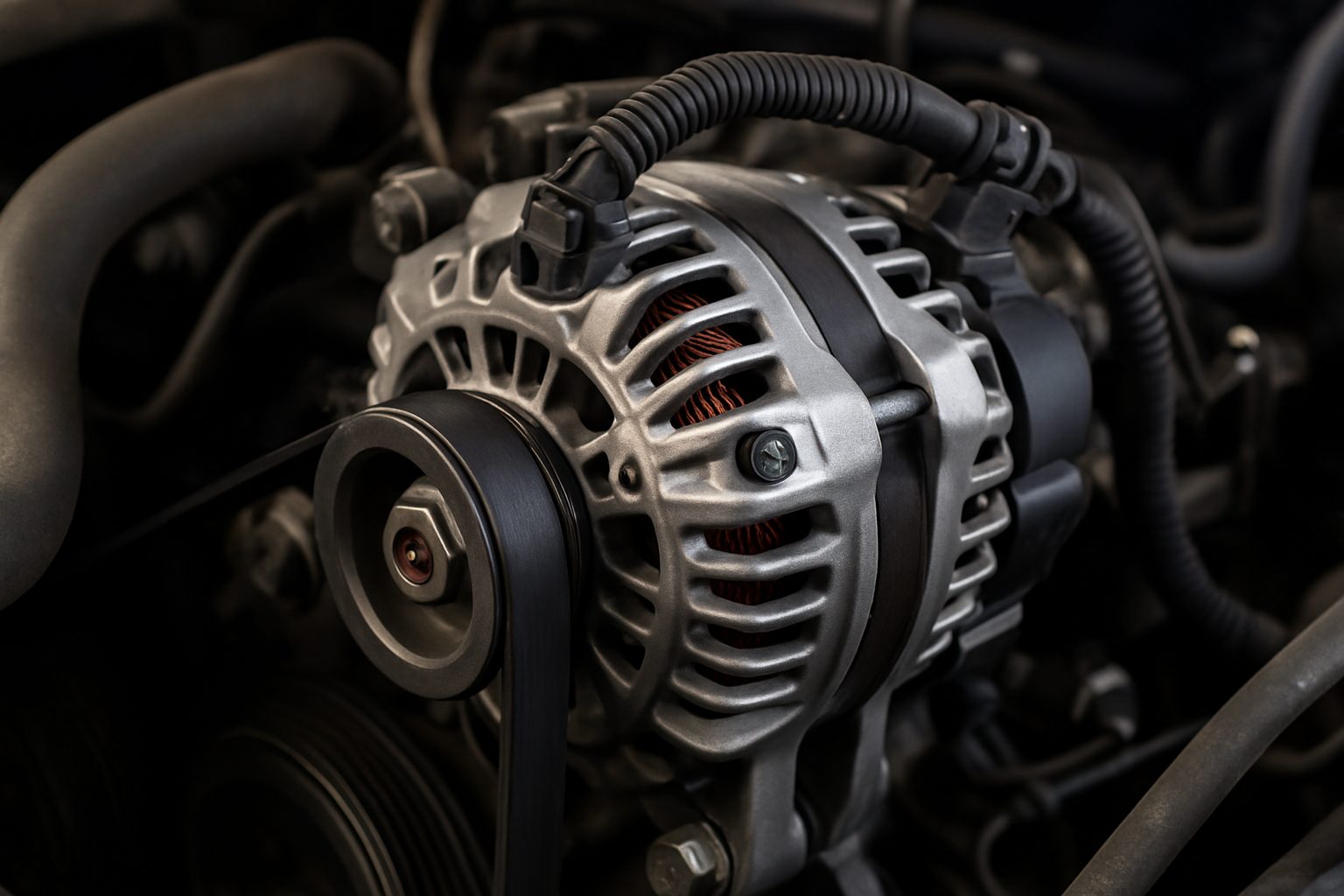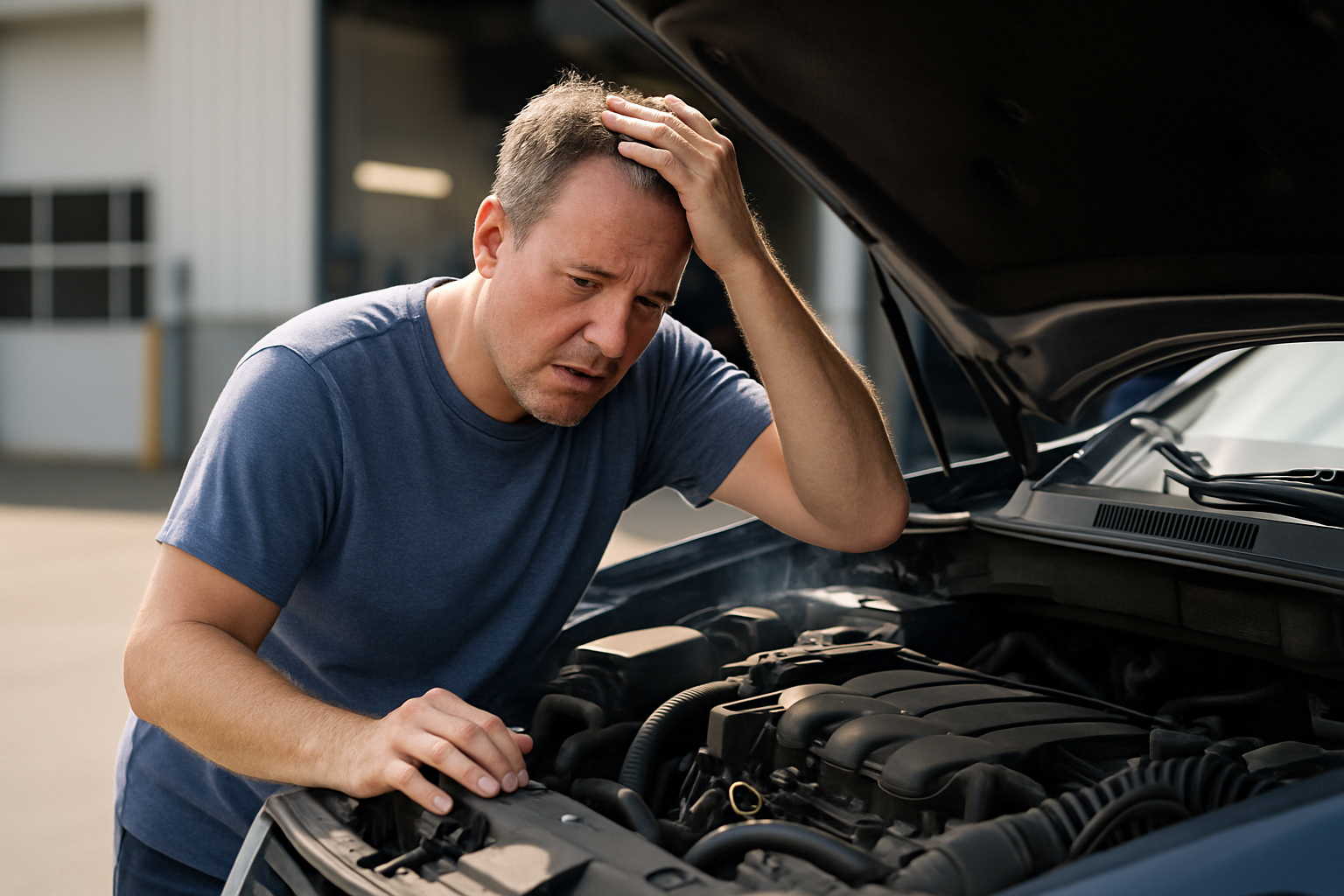
You return to your BMW 5 Series after a short stop and hear the engine cranking without starting. Later, it fires again. That return to normal can make a warm-start fault harder to find, but the repeated failure still needs diagnosis. On certain BMW six-cylinder engines, oil contamination at a sensor connection is one possible cause of starting trouble. At Driven Auto Care of San Ramon, we investigate this concern when the engine and findings fit, helping Danville drivers with the fault in their own car.
Valve Movement Depends On Position Information
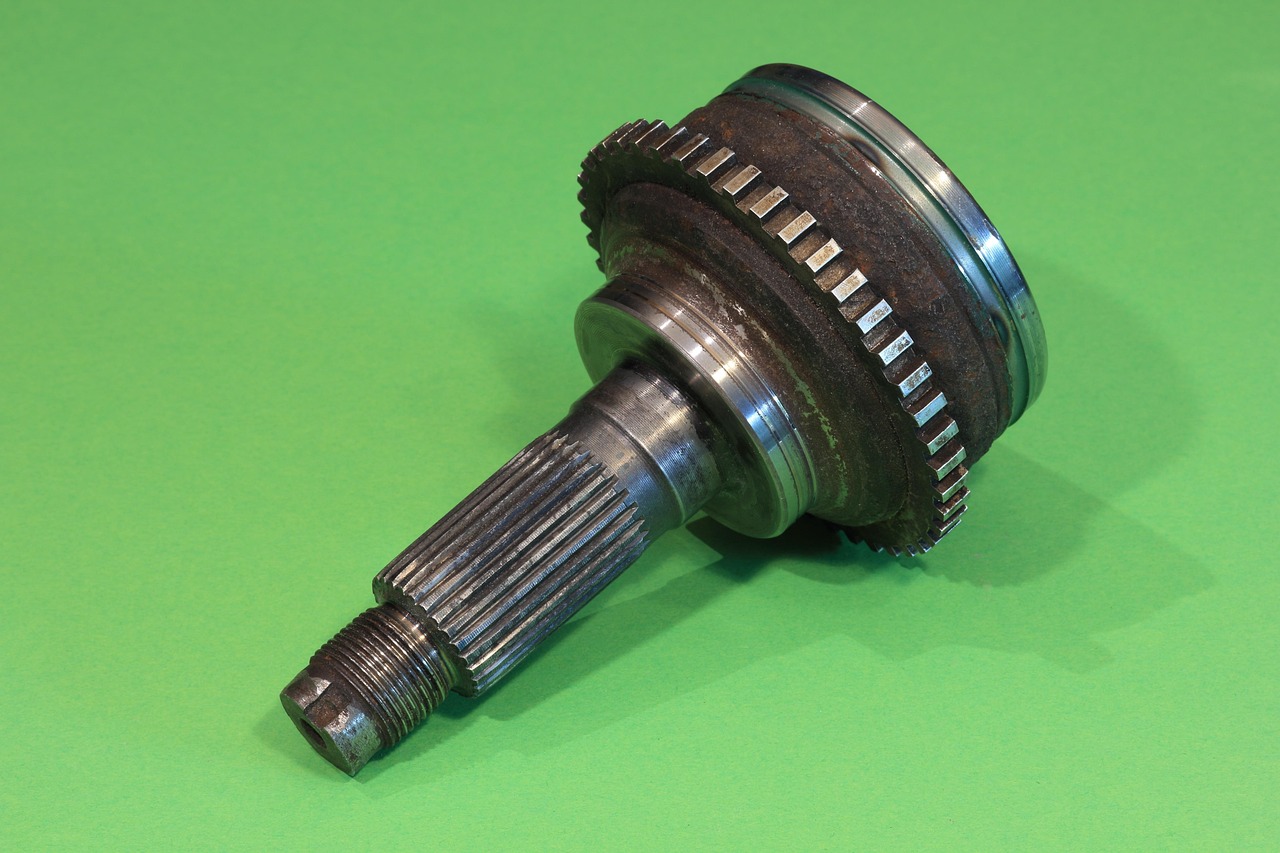
BMW's Valvetronic system controls how far the intake valves open, changing the amount of air admitted to the engine. On the engines discussed here, an eccentric shaft adjusts that movement. Its position sensor supplies information used by the engine computer to control the system. An inaccurate or interrupted signal can interfere with starting and engine operation. The engine fitted to your 5 Series determines which valve-control equipment is present. BMW changed these designs across generations, so a sensor repair described for an earlier six-cylinder car may have little relevance to the components installed in a later one.
Oil In The Connector Can Lead To More Work
On specified N51 and N52-family applications, BMW documented oil contamination around the eccentric-shaft sensor connection; certain 5 Series models are included. Its guidance calls for checking related wiring and connections toward the engine computer. Contamination found farther along can expand the required repair beyond the sensor. This documented condition can cause a crank-without-starting complaint or rough running, but it is not confined to hot restarts. We match the guidance to the vehicle and the findings before applying it. A warm-start symptom alone doesn't establish that your BMW has this oil-contamination problem.
Oil Outside The Engine Is A Different Finding
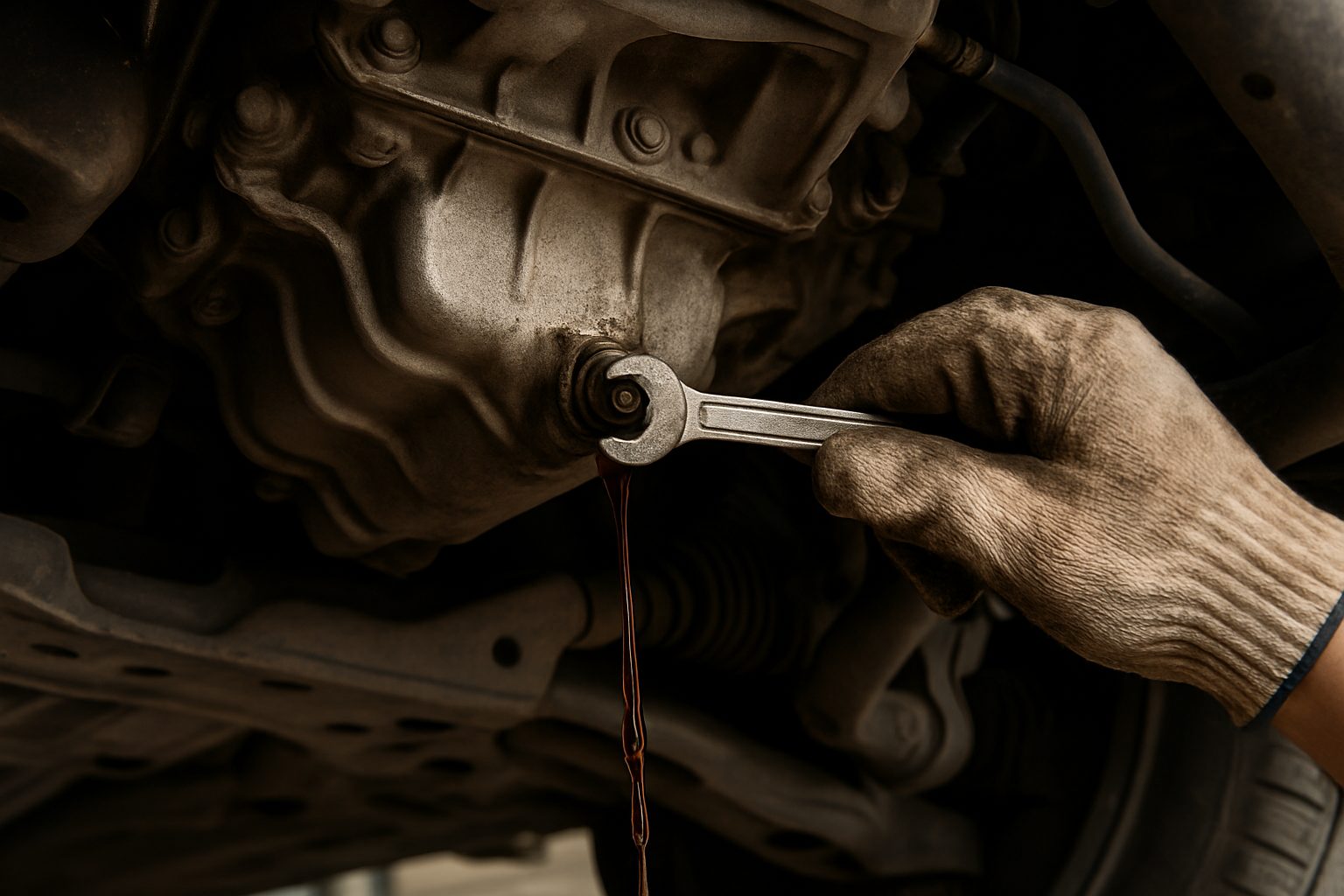
Wetness around the valve cover may show oil escaping through an external gasket. That visible leak cannot establish whether oil has entered an electrical connector. Each location needs its own inspection. If a gasket leaks onto the outside of the engine, sealing that opening addresses the external loss. Oil-contaminated wiring can require additional work because the electrical problem extends beyond the gasket. You may therefore see sealing work and electrical components on the same recommendation when both conditions are present. Ask us to explain where the oil was found and how each recommended item relates to it.
The Failed Attempt Provides Useful Information
Readings taken while the engine refuses to fire can reveal a signal interruption that disappears once it runs. Reproducing the short warm stop may be necessary when the car starts normally at arrival. How the engine turns also changes the investigation. Slow, heavy rotation points toward battery condition and the starter's electrical supply. Normal-speed turning with no firing calls for checks of fuel delivery and engine-control signals. Mention whether the problem appeared after a brief stop or a longer period parked. That timing helps the appointment address the failure you experienced, even if it hasn't happened on every drive.
Avoid Repeated Long Starting Attempts
If the engine keeps refusing to fire, stop within the cranking limits given in your owner's manual. Extended attempts draw down the battery and place additional load on the starter. Arrange assistance when the car cannot be restarted within those instructions. If it finally starts but runs roughly, that change also belongs in the diagnosis. Follow the manual's response to any engine warning before driving farther. A smooth start the next morning doesn't erase the earlier failure; intermittent faults can become difficult to reproduce once temperatures change. Booking service while the pattern is recent helps us investigate the recurring complaint.
Schedule BMW Diagnostics From Danville
Call Driven Auto Care of San Ramon at (925) 830-4701 for BMW 5 Series starting diagnostics. We welcome Danville drivers at our San Ramon shop. Tell us about the failed restart and how the engine behaved afterward. We can trace the engine or electrical fault and explain any sensor-connection repairs supported by the findings.