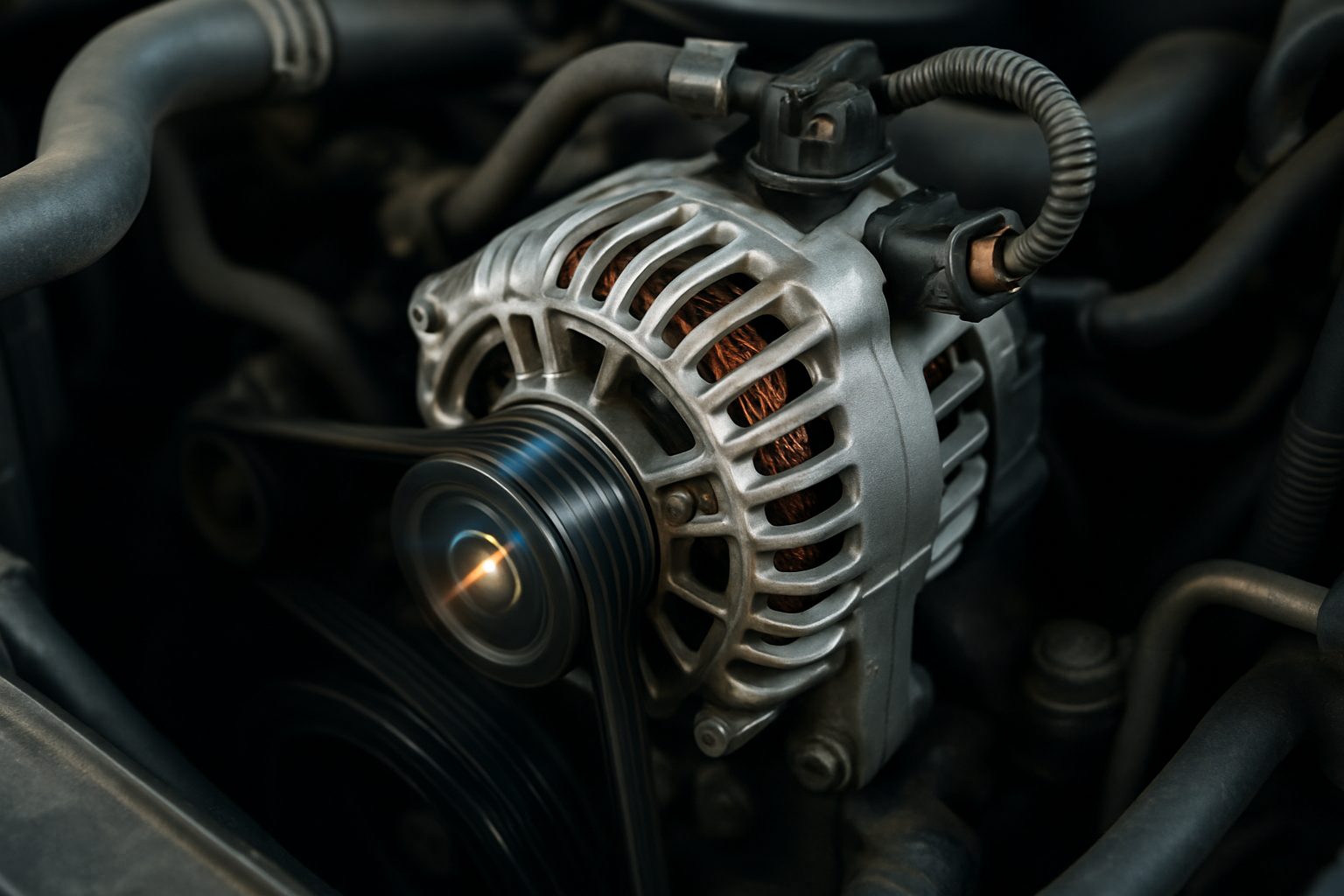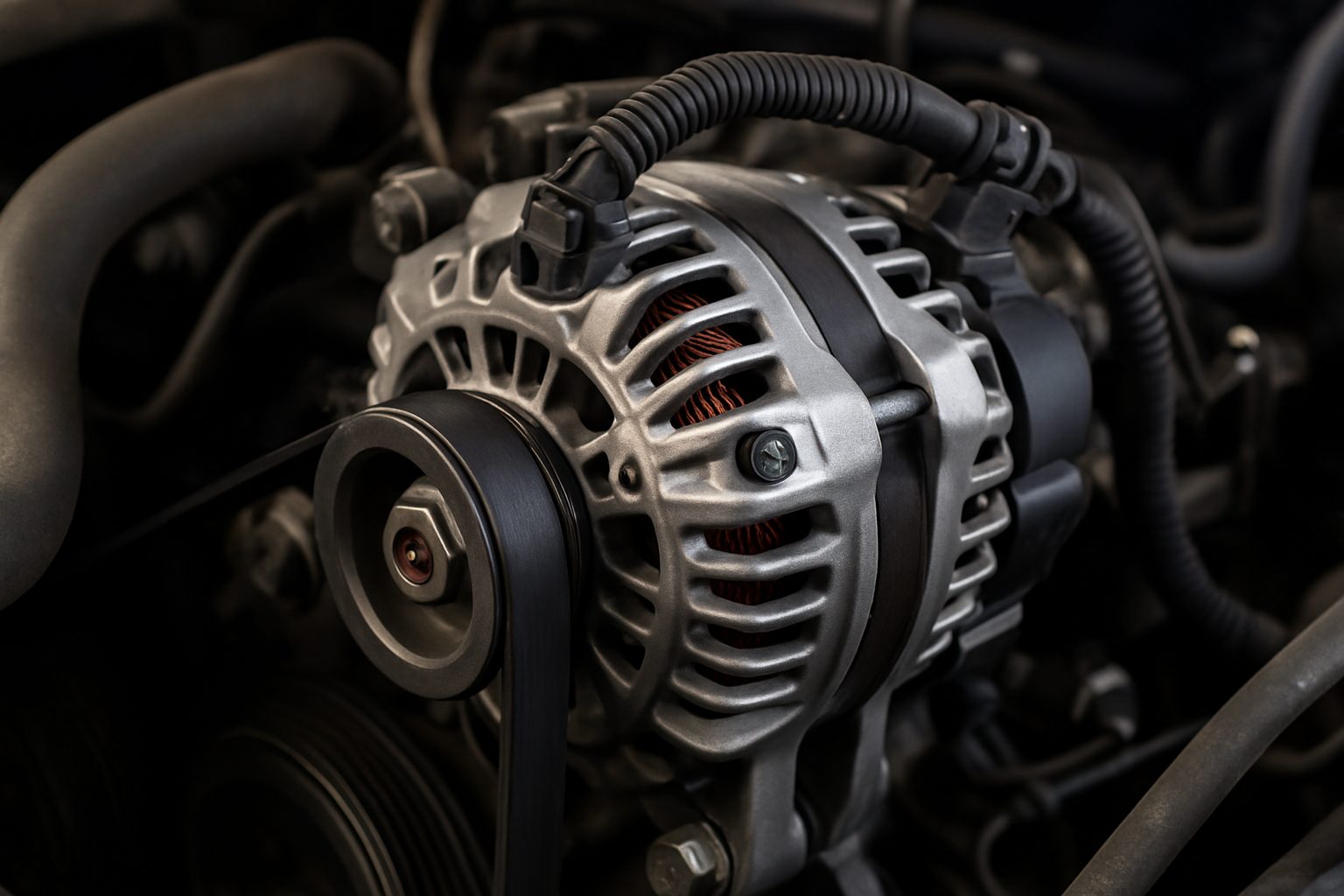
Does a coolant stain beside your Toyota Tacoma's water pump mean it needs replacing? A dry deposit alone isn't enough to make that decision. Fresh wetness that returns after cleaning, especially with repeated coolant loss, gives a stronger reason to suspect an active leak. Toyota distinguishes between deposits and continuing leakage in its guidance for covered pumps. At Driven Auto Care of San Ramon, we help Blackhawk owners determine whether the truck needs a pump repair or another source of coolant loss addressed.
A Weep Opening Can Leave A Dry Trace
Inside a mechanical water pump, a seal surrounds the rotating shaft, with a small drain or weep opening nearby. Traces of coolant can appear there without establishing an ongoing pump failure. Toyota's guidance for covered non-electric pumps includes inspection of the deposit pattern and current leakage. Your Tacoma's year and engine determine which procedure applies. Blocking that opening can interfere with its purpose, so leave it clear. During inspection, the useful question is whether coolant is still escaping in a way that requires repair. An old dry mark cannot provide that answer by itself.
Look For Coolant That Returns After Cleaning
Fresh droplets or a wet trail after the area has been cleaned show that fluid is continuing to escape. Finding where that trail begins matters as much as seeing where it ends. A hose connection above or beside the pump can leak onto it, leaving the pump wet despite a sound seal. Following the new moisture back to its source helps avoid replacing the wrong component. At the shop, we can check both the pump and the surrounding connections. Repair may involve a damaged hose or its joint if that is where the coolant originates.
Compare Cold Levels Under The Same Conditions
Coolant expands as it heats, so comparing a hot reading with a cold one can make the level appear to change without any loss. Follow your owner's manual and use the same cold conditions for comparisons. A level that repeatedly falls below the specified range needs investigation, particularly after it has already been restored correctly. Adding coolant replaces what is missing but leaves the escape path open. Use the specified fluid and filling instructions for your truck. If you keep needing another top-up, arrange a leak inspection even when the ground beneath the Tacoma stays dry.
Bearing Noise Can Appear Without Visible Leakage
Grinding or growling around the pump can develop as its shaft bearing wears. You may hear bearing wear before the seal lets enough coolant escape to leave a visible trail. Further wear can allow unwanted shaft movement and affect the seal as well. Similar sounds can come from nearby pulleys, so a noise beside the pump still needs locating. Keep hands and tools clear of a running belt. You can describe the new sound without trying to isolate it yourself. Checking the pump and related drive components identifies which rotating part has become noisy.
Stop Safely If Your Tacoma Overheats
If the temperature reaches the warning range, pull over safely and shut off the engine. Follow the overheating instructions in your Tacoma's manual. A hot cooling-system cap must stay closed because released pressure can force out scalding fluid. Arrange assistance if the truck has overheated or coolant is actively escaping. Continued driving can damage the engine while it lacks adequate cooling. Cooling down after stopping can lower the temperature reading while the original fault remains. Once the truck arrives safely, its circulation and coolant loss can be investigated together.
Find Out Why Your Tacoma Is Losing Coolant
Call Driven Auto Care of San Ramon at (925) 830-4701 for Toyota Tacoma cooling service. Our San Ramon shop welcomes Blackhawk owners with recurring coolant loss or a new pump-area noise. We can explain whether the pump is actively leaking or coolant is escaping at another connection. Dry traces with no renewed leakage may need observation.