An overheating warning in your Audi Q7 needs an immediate response, even when the coolant reservoir looks full. Pull over safely and shut off the engine. Coolant has to move through the engine to carry heat away, and a pump or control fault can interrupt that movement without emptying the tank. At Driven Auto Care of San Ramon, we help Danville owners with cooling-system repairs. Some Q7 pump designs use a movable internal sleeve that can restrict flow even while the drive belt turns.
Coolant Has To Move Through The Engine
Inside the engine, coolant absorbs heat from the surrounding metal. Flow carries that heat toward the radiator, where passing air removes it. A restriction in circulation can leave parts of the engine getting hotter while fluid remains in the reservoir. Pouring more coolant into an already correctly filled tank won't restore that movement. During an overheating inspection, the pump's operation needs checking along with the components that control flow and release heat. Even after the warning clears, a normal reservoir level cannot show whether the pump is moving enough coolant for another drive to be safe.
Certain Pumps Change Flow With A Sliding Sleeve
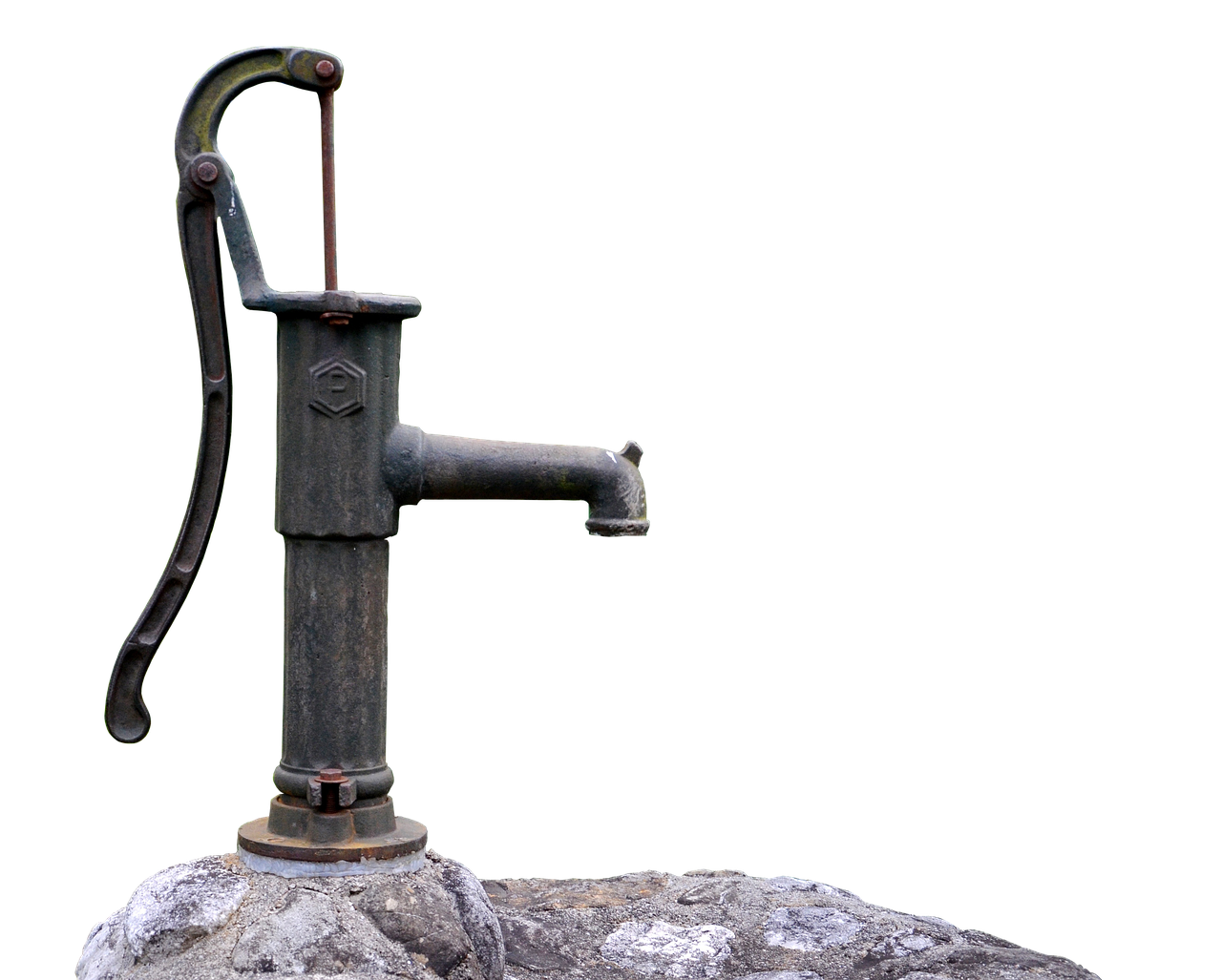
Some Q7 3.0-liter engines have a mechanically driven water pump with a movable sleeve around the impeller. Vacuum operates that sleeve to change how much coolant passes through the pump. The impeller is the rotating part that moves coolant; sliding the sleeve over it can restrict that flow. A control problem can leave circulation restricted even though the drive belt continues turning. Identifying this design changes what we check during diagnosis. Seal and bearing condition still matter, but the mechanism controlling flow also needs to respond when the engine requires coolant circulation.
A Leak Can Reach The Pump’s Control Plumbing
Audi's 2023 service guidance includes checking the pump vacuum line for coolant on covered 2020 through 2023 Q7 3.0-liter applications. It also calls for inspecting the coolant-pump switching valve. Those checks address fluid entering a circuit intended to operate by vacuum. If contamination has reached the connections, the repair may involve affected control components as well as the pump. Coverage depends on the engine and vehicle, so this concern needs to be matched to your Q7. At the shop, we can explain which findings account for the parts included in your cooling-system repair.
Coolant Loss Can Stay Hidden From View
A reservoir level that keeps dropping needs a leak inspection, even if the temperature gauge has returned to normal. Fresh wetness around a hose connection may lead to a different repair from a leaking pump. Fluid can also collect above an underbody panel, leaving the ground dry while the reservoir level falls. Looking for a puddle therefore cannot replace a leak inspection. Compare levels only as your owner's manual directs, under the same cold conditions. Cleaning old deposits during the inspection helps reveal whether fresh coolant returns and where it first appears on the engine.
Let The Engine Cool And Arrange Assistance
After an overheated engine has been switched off, its temperature can fall while the original circulation fault remains. Follow the warning instructions in your owner's manual and arrange assistance before driving farther if the Q7 has overheated or continues losing coolant. Keep the cap closed while the system is hot; pressurized fluid can spray out and cause burns. Steam also calls for staying clear until the vehicle can be approached safely. Once it reaches the shop, the cooling system needs to be checked under the relevant operating conditions before the car returns to normal use.
Schedule Q7 Cooling Service From Danville
Call Driven Auto Care of San Ramon at (925) 830-4701 to arrange Audi Q7 cooling-system service. Our San Ramon location serves Danville owners with water-pump repairs and coolant-leak diagnosis. Tell us about the warning you saw and any recurring coolant loss. We can investigate the circulation problem and explain the repair for the engine in your Q7.