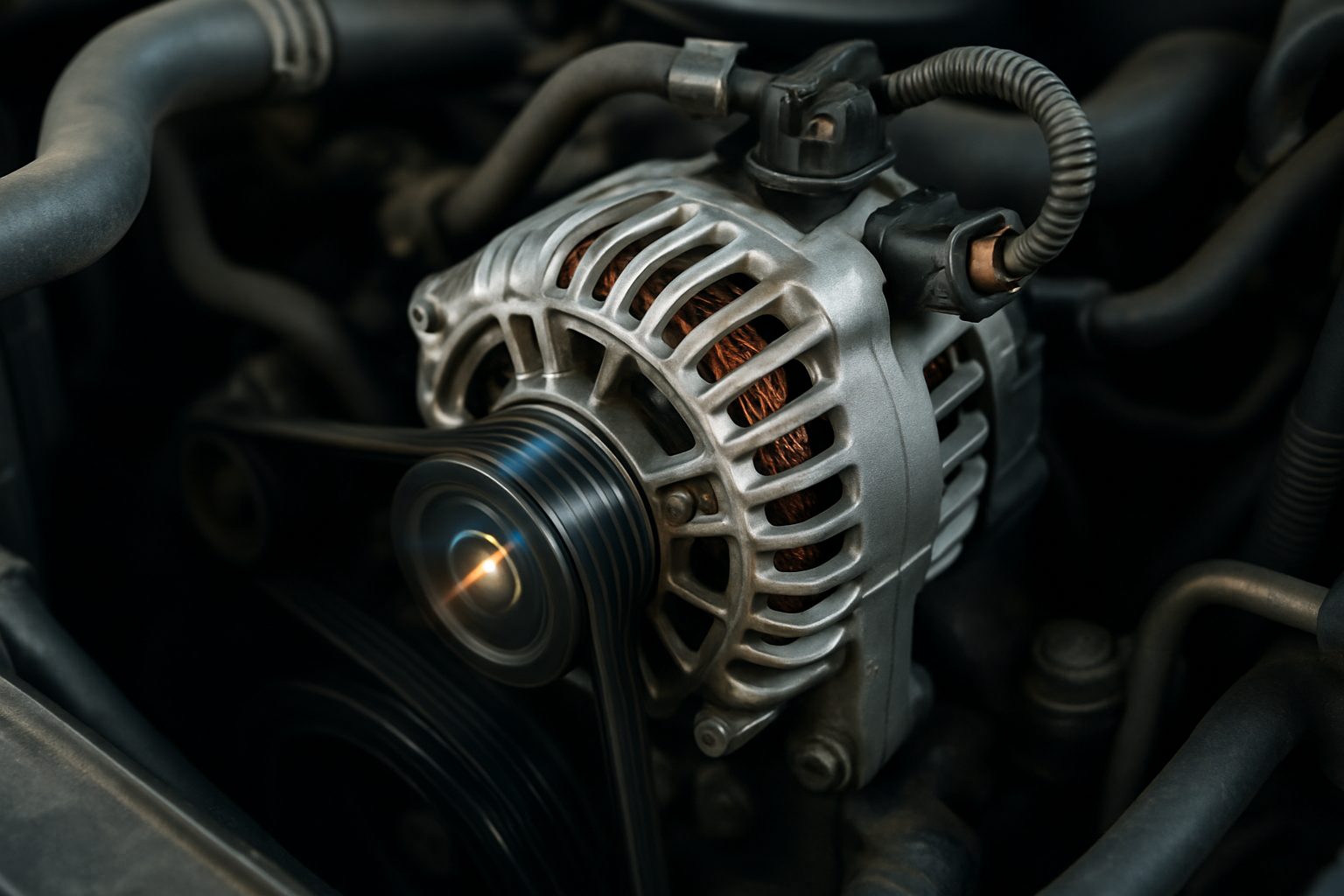
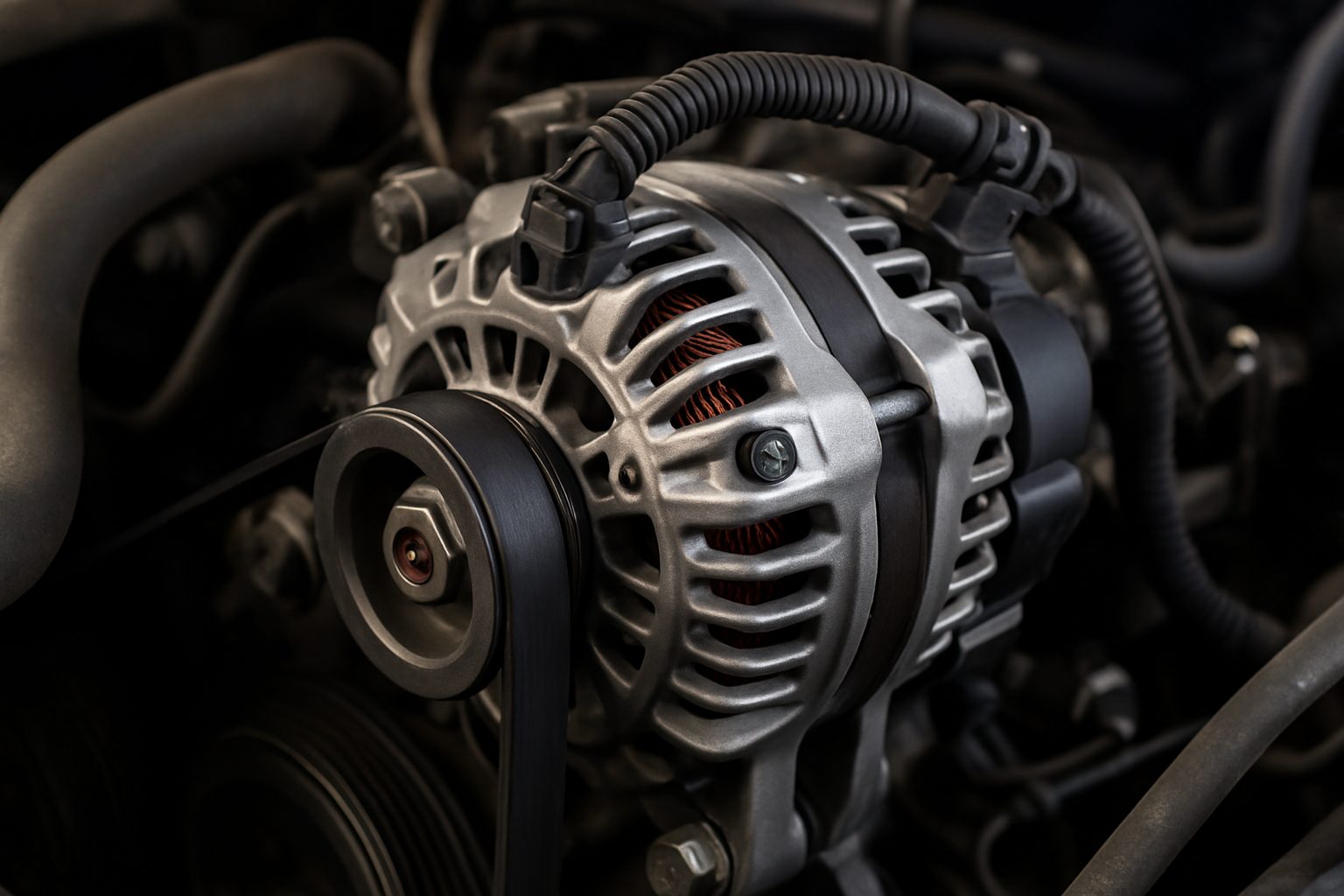
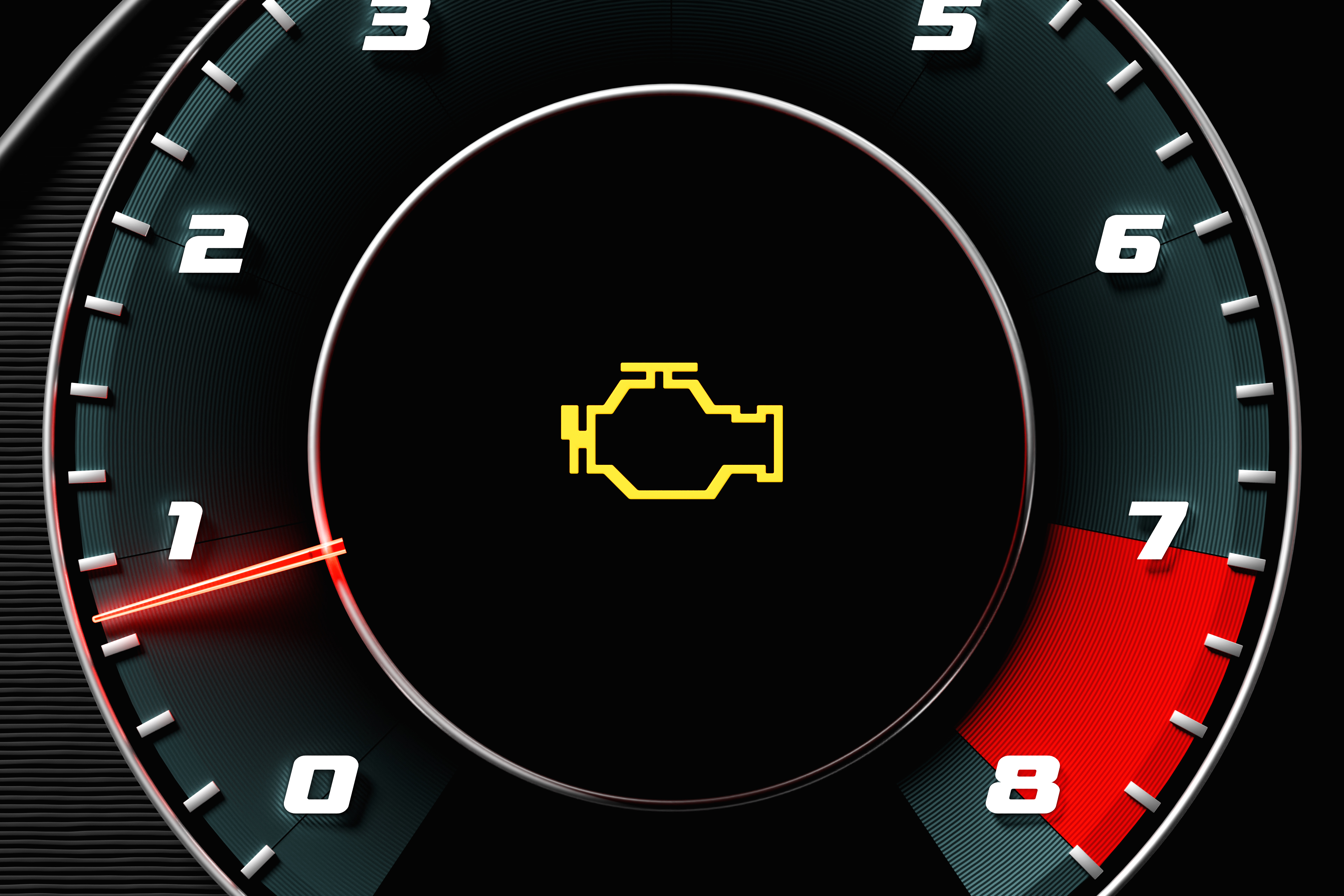
 The catalytic converter is one of the most expensive components on a 2015 through 2020 Audi A4 or Q5, and a P0420 efficiency code convinces many shops to replace it without testing the sensor that monitors it. That code measures how the upstream and downstream oxygen sensors compare their switching rates, and a degraded upstream sensor that responds too slowly mimics the data signature of a failing catalyst on the scan tool screen. San Ramon Audi owners who’ve been quoted for a converter replacement deserve to know whether the sensor itself is the component that crossed the threshold, and Driven Auto Care of San Ramon tests the sensor before we condemn the catalyst.
What the Upstream O2 Sensor Waveform Reveals
A healthy upstream oxygen sensor on an EA888 2.0T switches between rich and lean voltage readings multiple times per second during closed-loop fuel control. We monitor the sensor’s waveform on the scan tool and count switching cycles per ten-second window to compare against the factory specification for that sensor and engine combination. A sensor that switches fewer times than spec has slowed beyond its useful range and feeds the engine computer a signal that looks like reduced catalyst efficiency. Replacing that sensor and re-running the catalyst monitor confirms whether the converter itself is functioning within tolerance or whether the code was a sensor-driven false flag.
Misfire Codes That Point to Carbon, Not Ignition
Audi’s EA888 and EA839 engines use direct fuel injection, which sprays fuel into the combustion chamber at pressures above 2,000 PSI and bypasses the intake valve face entirely. Carbon accumulates on the back of each intake valve over tens of thousands of miles because no fuel washes across the valve surface to keep it clean. The carbon restriction reduces airflow into the cylinder, and the engine management system logs a misfire code when that cylinder’s combustion event falls below the expected energy output. Shops that see a misfire code and replace ignition coils or spark plugs miss the carbon restriction hiding behind the intake manifold, and the code returns within days of the repair.
How We Confirm Carbon Buildup Before Recommending Service
We pull the intake manifold and scope the valve face with a borescope camera to photograph the carbon deposits on each intake valve in the affected cylinder bank. Compression testing across all cylinders confirms whether the carbon has restricted airflow enough to reduce the cylinder’s sealing efficiency under cranking pressure. If compression is down and the borescope shows heavy carbon accumulation, we walnut blast the intake ports with crushed walnut shell media to strip the deposits off the valve faces without damaging the valve seat or guide. A post-service compression test across all cylinders verifies that airflow and sealing have returned to factory spec.
EVAP System Codes and California Smog Implications
Audi EVAP system codes (P0441, P0442, P0455) flag leaks in the fuel vapor recovery circuit, and California’s smog program won’t certify a vehicle with an active EVAP fault or an incomplete EVAP readiness monitor. A small EVAP leak from a cracked purge valve line or a worn fuel filler neck seal won’t affect how the engine runs or how the car drives. We smoke test the EVAP circuit to find the leak path, replace the failed component, and verify the readiness monitor completes during a drive cycle before returning the vehicle.
Get the Diagnosis Before You Approve the Repair
Driven Auto Care of San Ramon provides a diagnostic path for every Audi check engine code that confirms the failed component using measurable data before any wrench turns. San Ramon Audi owners who want the right repair identified on the first visit can reach our shop at (925) 830-4701, and we’ll walk you through the scan tool findings so the repair makes sense before you approve it.