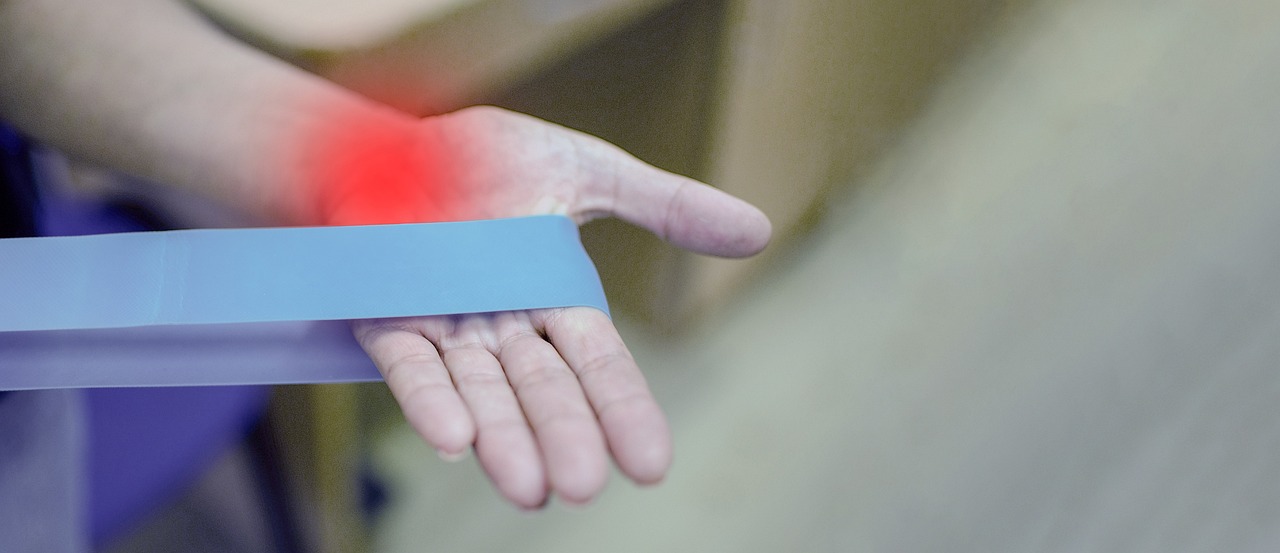
The word "syndrome" makes carpal tunnel sound more ominous than it usually is. For a lot of people, especially those who catch it before it gets severe, it's a very manageable problem that never needs an operation. The key is understanding what's happening and acting while conservative care still has the upper hand.
The Simple Version Of What's Wrong
A major nerve travels from your forearm into your hand through a tight passage at the wrist, sharing that cramped space with the tendons that curl your fingers. When the passage gets too crowded, the nerve is the part that gets pinched. That pressure is what you feel as numb, tingling fingers on the thumb side of the hand, a grip that fumbles, and symptoms that flare hardest overnight.
The night flare has a simple cause: we sleep with the wrist bent, which squeezes the passage tighter.
Why Surgery Usually Waits
For early and moderate carpal tunnel, the smart first move is relieving the pressure on the nerve and clearing whatever's crowding the passage. That approach resolves enough cases that surgery stays a fallback, not a first choice.
- A wrist splint, especially overnight, to hold the wrist straight as you sleep
- Reworking daily habits and your setup so the wrist isn't bent for long stretches
- Nerve and tendon gliding to keep everything moving smoothly
- Wrist and forearm stretching and strengthening
- Tackling any swelling that's adding to the crowding
The overnight splint is the single most effective piece for a lot of people. Holding the wrist neutral all night ends the wake-ups and gives the pinched nerve a real chance to settle.
Why The Setup Deserves A Hard Look
You can splint the wrist all night, but if your day keeps jamming the nerve, progress stalls. So a big part of lasting relief is your daily positioning. A keyboard that tips the wrists up, a mouse that twists the hand, a phone gripped for hours. We hunt down the spots quietly compressing the nerve through your day, because fixing those often outperforms any single exercise.
The Window You Don't Want To Miss
Here's the reason not to sit on it. Caught early, the conservative approach works well. Let it run too long, though, and the nerve can suffer damage that lingers, and the muscles at the base of the thumb can start to shrink, both far tougher to reverse than to prevent. Numbness that's constant, or a hand that's clearly weakening, is your cue to get it seen.
Hand going numb or waking you at night? Modern Medicine of Mesa, AZ can start settling the nerve before it gets that far. Call or book through the online form.