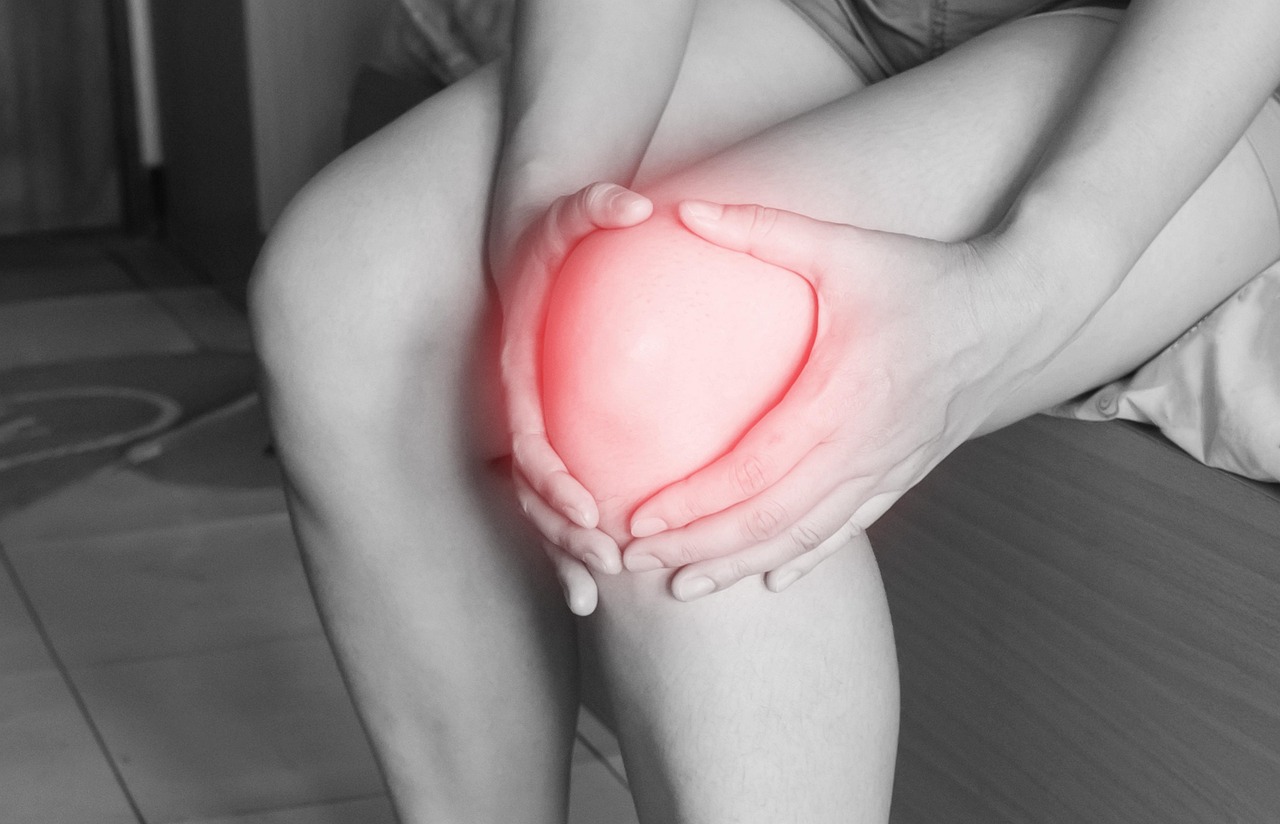
Maybe it’s the walk from the far end of the parking lot that gets you now. Or the hip aches after an hour in the bleachers at your grandson’s baseball game, and your knee starts hurting on the stairs too. A lot of people in Queen Creek put up with this for years. You don’t have to. Physical therapy helps the relief stick around, because we change how much load the joint takes every day, and that matters more than how it feels on one good afternoon. Below is roughly what the process looks like.
Before We Start: What You Might Be Noticing
People tend to describe the same handful of things:
- Getting up after sitting through a movie takes a few stiff steps.
- Putting on socks means propping your foot on the bed.
- The hip hurts at night when you lie on that side.
- Long walks are fine until about the twenty-minute mark.
- After you spend Saturday pulling weeds, one knee is swollen on Sunday.
There’s usually some wear in the joint. Add in weak hip muscles and stiffness that crept in over a few years, and you get the list above. All of that can change.
Visit One
Bring comfortable shorts. You’ll walk the hallway for us, step up onto a little platform, and balance on one foot while we watch your knee and pelvis. The therapist bends and turns your hip in a bunch of directions, then pushes against your leg to see how strong the muscles on the side and back are. Those muscles decide how much pressure lands on the joint. Your lower back and knees get a look, too, since hip pain sometimes starts in the spine and a weak hip often leads to knee pain. You go home with three or four exercises and an explanation that makes sense.
Weeks One Through Four
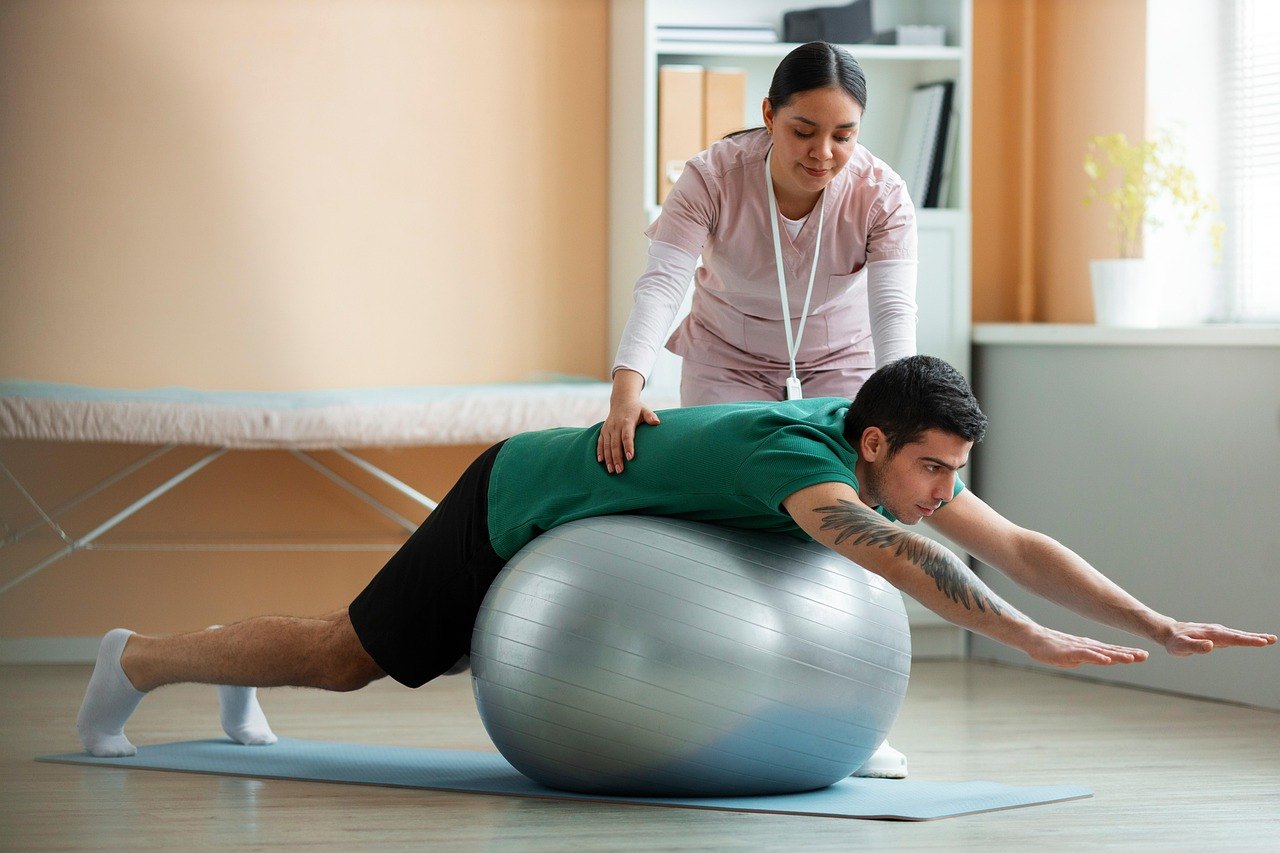
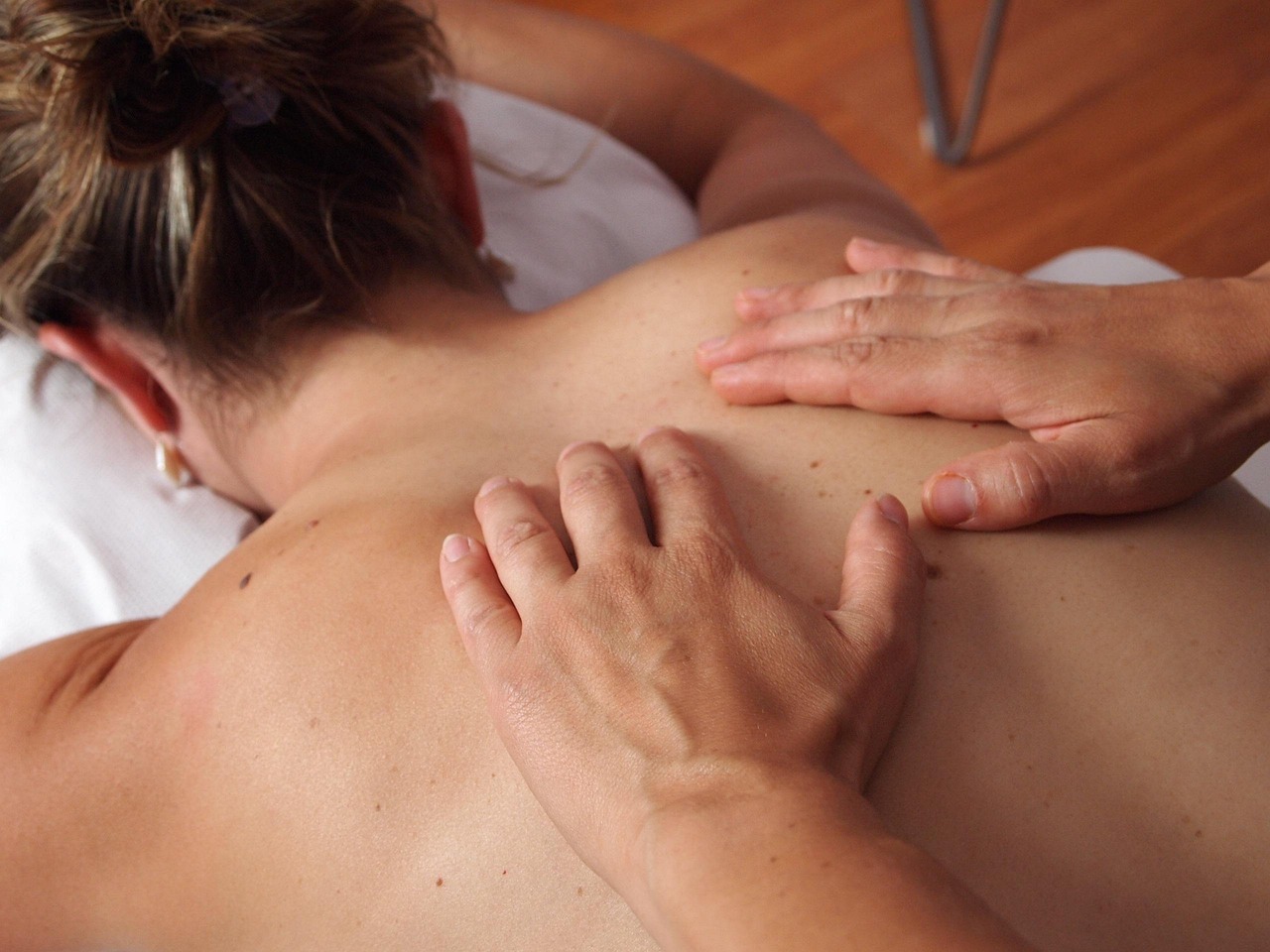
We’ll loosen up the hip by hand on the table, and you’ll spend a lot of time on your glutes. Side-lying leg lifts are boring. Bridges are a little less boring. Standing up from a kitchen chair slowly, with your knees pointing over your toes, sounds easy until you do ten of them. Keep walking, maybe a bit shorter than usual for now. A mild ache during exercise is fine if it’s gone by the next day, and if it isn’t, we change things.
Month Two and On
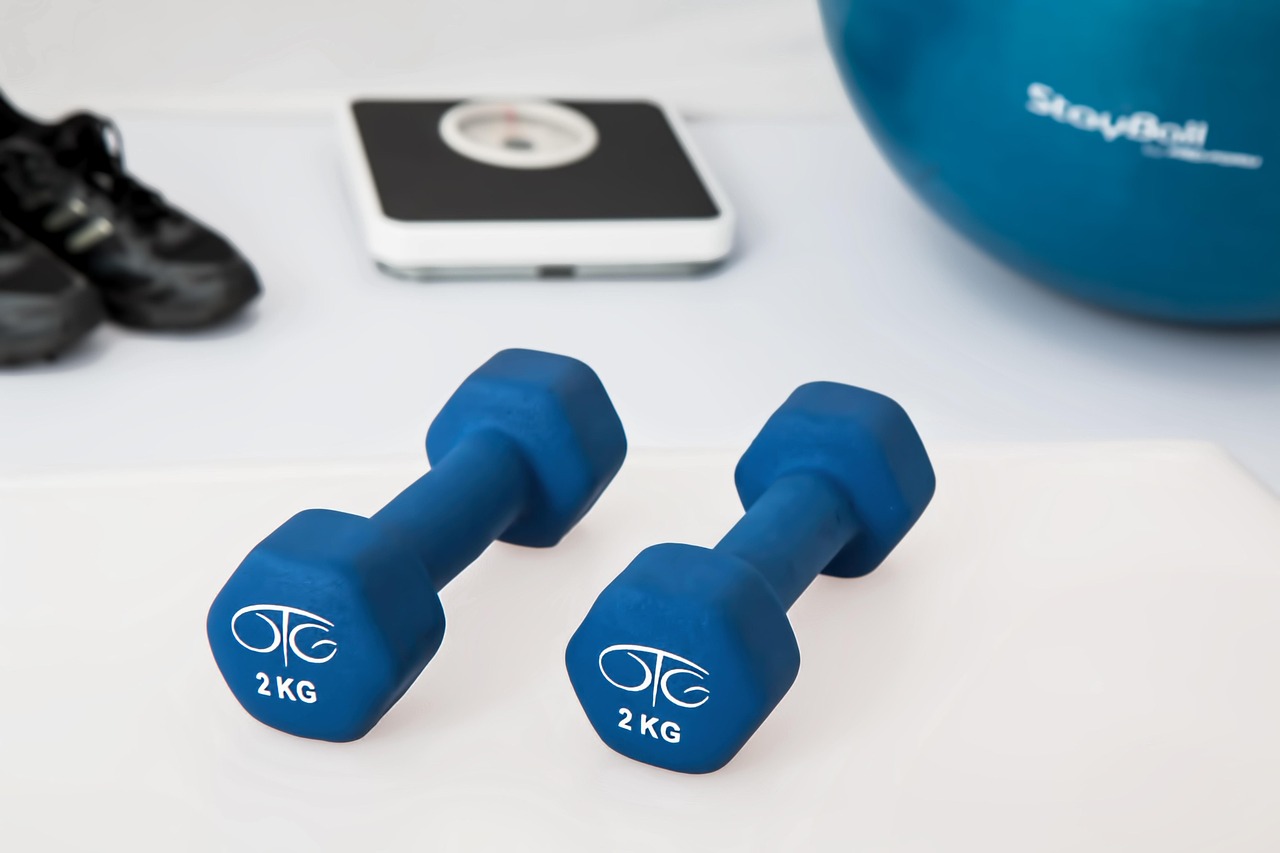
Around this point, a full trip through the grocery store stops being a big deal. The work gets harder with step-ups, light dumbbells, and standing on a foam pad. Whatever you’re aiming for, we practice it, whether that’s pickleball, a flight of stairs, or getting down on the rug to play with the grandkids and back up again. If you have a vacation in the spring with a lot of walking, tell us, and we’ll train for it.
By six to eight weeks, most people can tell a real difference. Keep a short version of the routine going twice a week after that, and the relief tends to hold.
If your hips or other joints have been holding you back, call Modern Medicine of Mesa, AZ and we’ll put together a plan with you.