The ache sits right across your belt line. It’s there when you get out of the truck, there when you bend to load the dishwasher, and worst after a long drive back from Phoenix. Months go by. You’ve tried heat, a new mattress, and a pill bottle that lives on the nightstand. Physical therapy works well for lower back pain that won’t leave, and part of how it works is clearing up a few ideas that make people move less.
Things a Lot of People Believe
We hear these every week in Apache Junction, and most of them aren’t quite right:
- “I should rest it until it stops hurting.” A day or two of taking it easy is fine. Weeks of it make the back stiffer and weaker.
- “My MRI shows a bulging disc, so that’s the cause.” Bulging discs show up on scans of plenty of people with no pain at all. The picture is only part of the story.
- “Bending is bad for my back.” Your spine is built to bend. What matters is getting it used to bending again, slowly.
- “I’ll need surgery eventually.” Most people with lasting lower back pain never do.
The pain is still real, of course. You just have more to work with than the scan or the bad mornings make it seem.
Your First Visit
Tell us about a rotten day and then about a decent one, because the difference says a lot. After that you’ll bend toward your toes, lean back, twist, and balance on each foot while we watch. We push against your legs to test the hips, look at how your trunk holds up, and ask if anything shoots down the back of a leg. Tingling or numbness in the foot means we go a little more carefully. Pain that wakes you up at 2 a.m. no matter how you lie is something we’d want your doctor to hear about too.
Then What?
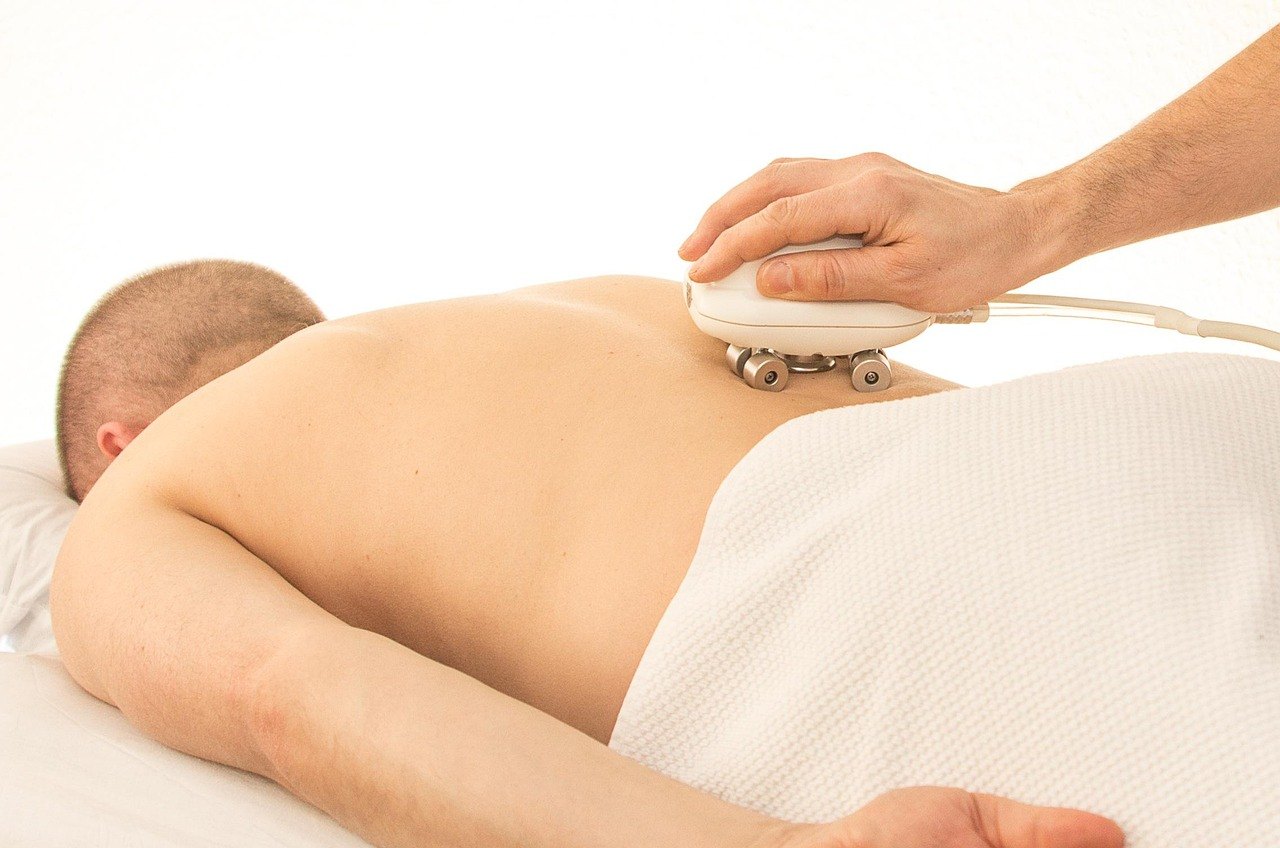
Early on, we just want it quieter. Some hands-on work on the stiff spots helps, and so does finding one or two positions that take the edge off, such as lying with your calves up on a chair.
The lasting part is strength and practice. Your hips, back, and belly muscles all get work, and then we bring back the stuff you’ve been dodging. For one person that’s lifting the laundry basket off the floor. For another, it’s climbing out of a low sedan, or hauling the forty-pound bag of dog food in from the car. We start light. The weight goes up when your back says it’s ready.
Sleep comes up. So does how long you sit in one stretch. Walking does too. Most people underrate it, and even ten minutes around the block after dinner helps.
How Long It Takes
Give it four to eight weeks for a real change. Backs have good months and bad months, so we’ll make sure you know what to do when a bad one shows up. You’ll have three or four exercises you trust by then, and that makes those weeks a lot less scary.
If your lower back has been hurting for months, call Modern Medicine of Mesa, AZ and set up a visit.