It usually shows up during something boring. You’re pouring a gallon of milk, or carrying grocery bags from the car, and a sharp pain hits the outside of your elbow. At first it goes away after a day or two. Then it stops going away. By the time most people come see us, it’s been bothering them for months and they’ve already tried a wrap from the drugstore.
What’s Usually Going On
Most chronic elbow pain comes from the tendons that attach your forearm muscles to the elbow. When the pain is on the outside, it’s called tennis elbow. When it’s on the inside, people call it golfer’s elbow. Neither one has much to do with sports. The tendon gets worn down from use faster than it can repair itself, and over time it turns weak and sore.
There are other causes too. A nerve can get squeezed near the elbow and make your ring and pinky fingers tingle. Arthritis can set in after an old injury. Swelling on the point of the elbow is often bursitis.
Where It Comes From
It’s rarely one bad moment. It builds from the same motion done again and again. We see it a lot in people who:
- Use tools all day, like painters, mechanics, and electricians
- Type or use a mouse for hours without much of a break
- Garden, golf, or play pickleball on the weekends
- Lift and carry kids, laundry, or heavy boxes
Age plays a part. Tendons don’t bounce back as quickly in your 40s and 50s. A weak grip or tight forearm muscles can add to the strain as well.
Treatment That Skips the Operating Room
Most people get better without surgery. The goal is to give the tendon less irritation and more strength at the same time. That sounds backward, but it’s how tendons heal.
The first step is easing off whatever keeps setting it off. You don’t have to stop using the arm. You might change how you grip a tool, lift with your palm facing up, or take breaks at the keyboard.
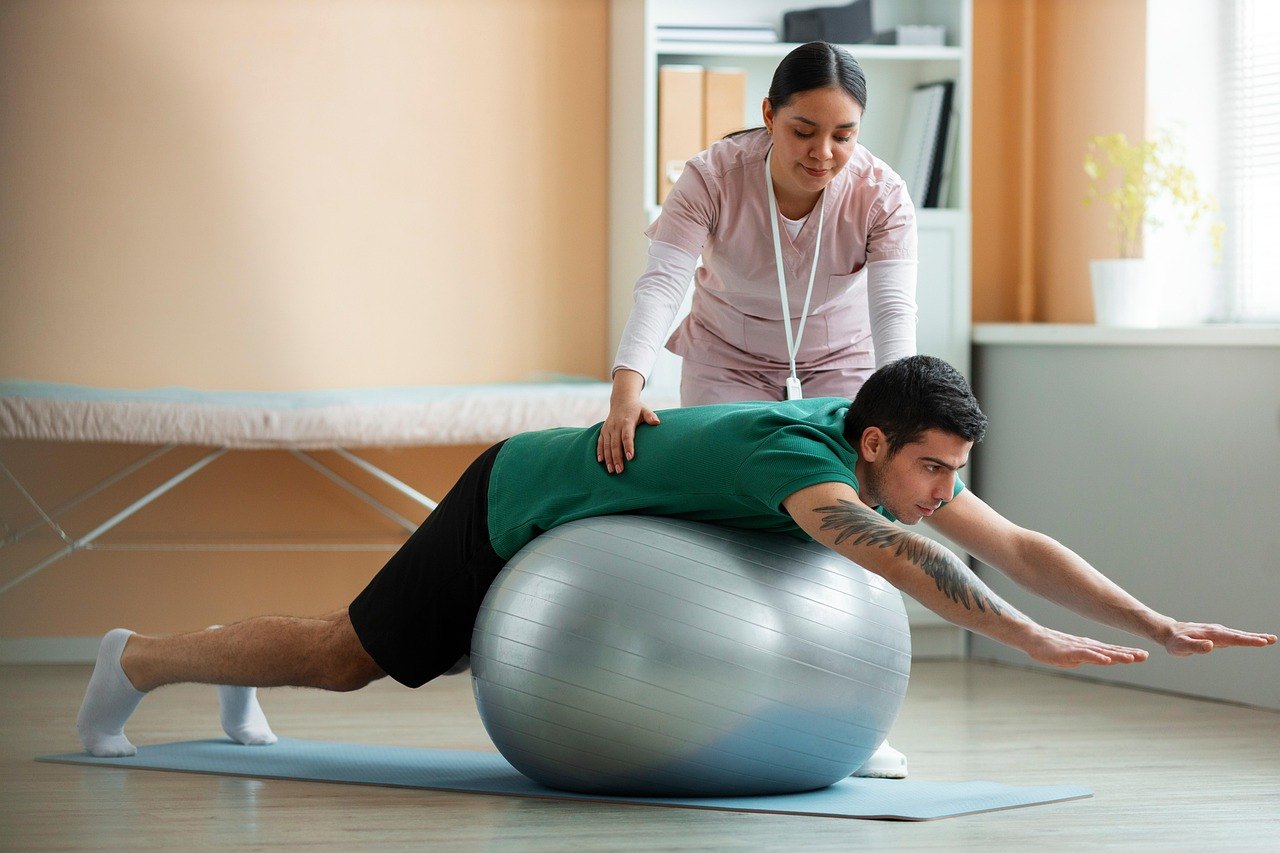
Then physical therapy starts loading the tendon again in a slow, controlled way. A lot of it is simple. You’ll lower a light weight with your wrist, squeeze a soft ball, and stretch the forearm. Doing that steadily over weeks tells the tendon to rebuild and toughen up. We may add hands-on work to loosen the tight muscles in your forearm. A strap worn just below the elbow can take some pressure off the sore spot while you heal.
For pain that won’t calm down, an injection is sometimes an option. We’d rather start with the exercises, though, since they deal with why the tendon got sore in the first place.
How Long It Takes
Tendons heal slowly. Most people notice the pain easing after several weeks of steady work, and full recovery can take a few months.
Let’s Figure Out That Elbow
If your elbow has been sore for longer than you’d like, stop by Modern Medicine of Mesa, AZ. We’ll find out what’s behind the pain and help you get back to using that arm without wincing.