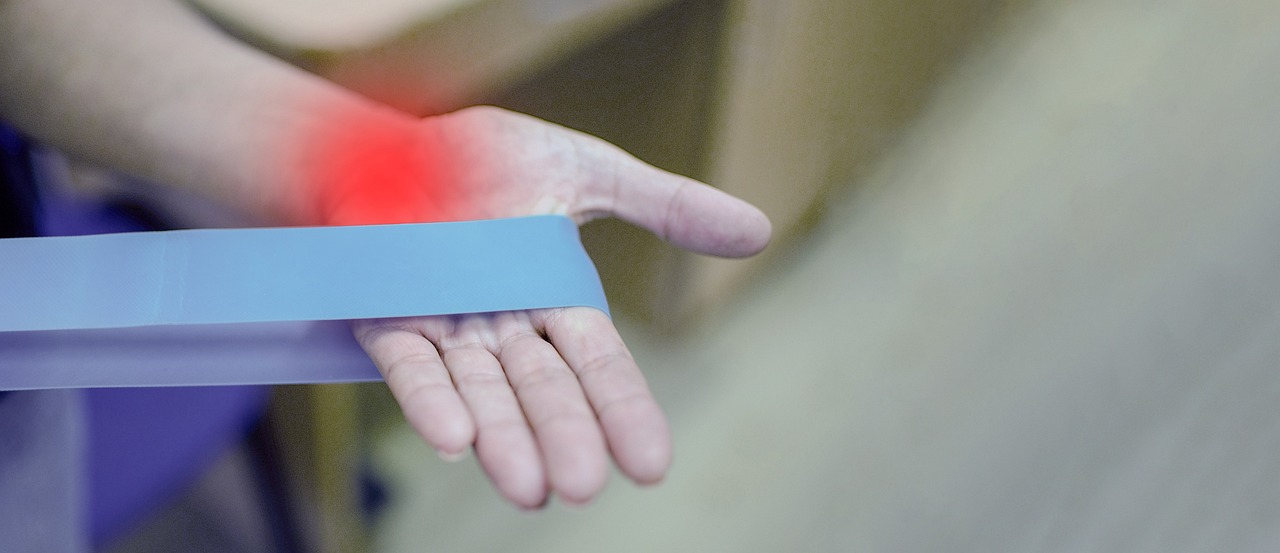
Lower back pain that's stuck around for months has usually already been through a few rounds of advice. Rest it. Stretch it. Try this exercise. Take something for it. When none of that has resolved things, manual physical therapy is worth understanding, because it works differently than what you've probably tried.
What Manual Therapy Means
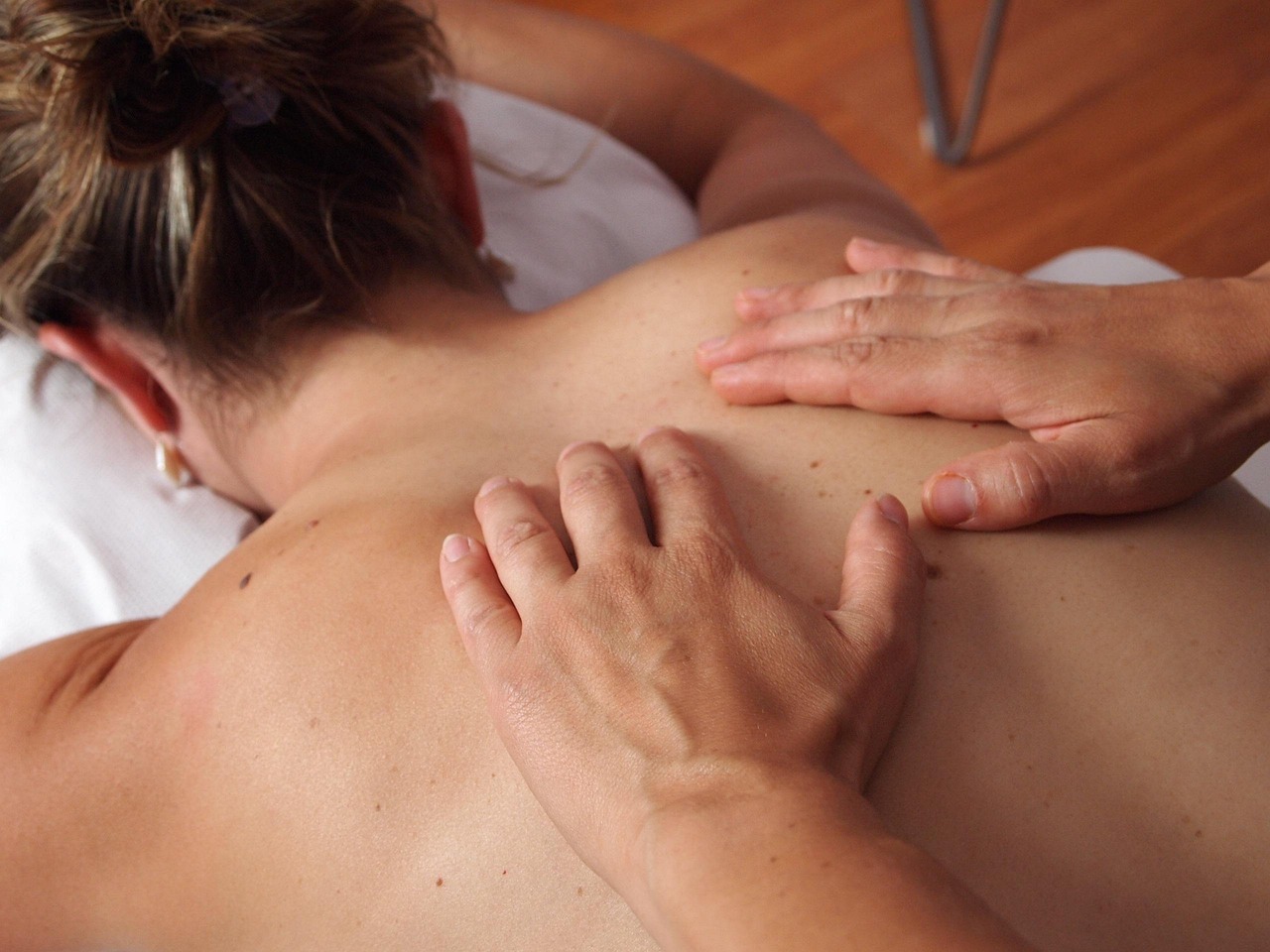
Manual therapy is hands-on treatment delivered by a trained therapist. Rather than handing you exercises and sending you off, the therapist uses their hands to work directly on the joints and soft tissue in your back.
That includes techniques to mobilize stiff spinal joints, work on tight and guarded muscles, release restricted tissue, and improve how the segments of your low back move relative to each other.
Why Stiffness Matters In Chronic Back Pain
Here's something that often gets missed with long-running back pain. The area frequently becomes stiff and guarded. Muscles tighten protectively, joints stop moving freely, and tissue gets restricted. Your back ends up moving as one rigid block instead of a series of segments each contributing a bit.
That stiffness is both a result of the pain and a cause of ongoing pain. Manual therapy addresses it directly in a way exercise alone often can't.
What The Combination Achieves
Manual therapy works best paired with active work, and that pairing is the key point:
- Hands-on work restores motion and reduces the guarding
- That improved motion makes the exercise work more effective and comfortable
- Strengthening the core and hips gives your back lasting support
- Movement retraining stops you from reloading the area the same way
Think of it as the hands-on work opening the door and the exercise walking through it. Manual therapy alone tends to give temporary relief. Exercise alone can be hard to do well in a stiff, guarded back. Together, they hold up.
Realistic Expectations
Manual therapy isn't a magic fix, and a therapist who promises one should raise your eyebrows. What it reliably does is reduce pain and improve mobility enough to make real progress possible. Chronic back pain that's been present for months usually needs weeks of consistent work, not one dramatic session.
Why Chronic Back Pain Needs A Different Approach
Acute back pain and chronic back pain aren't the same problem. Fresh back pain often settles with time and gentle movement. Long-standing pain involves stiffness, deconditioning, movement patterns that have adapted around the pain, and sometimes a nervous system that's become more sensitive. That mix needs hands-on work, strengthening, and movement retraining together.
Back pain that's outlasted everything you've tried? Modern Medicine of Mesa, AZ can put together a plan that combines hands-on care with the work that makes it last. Call or book through the online form.