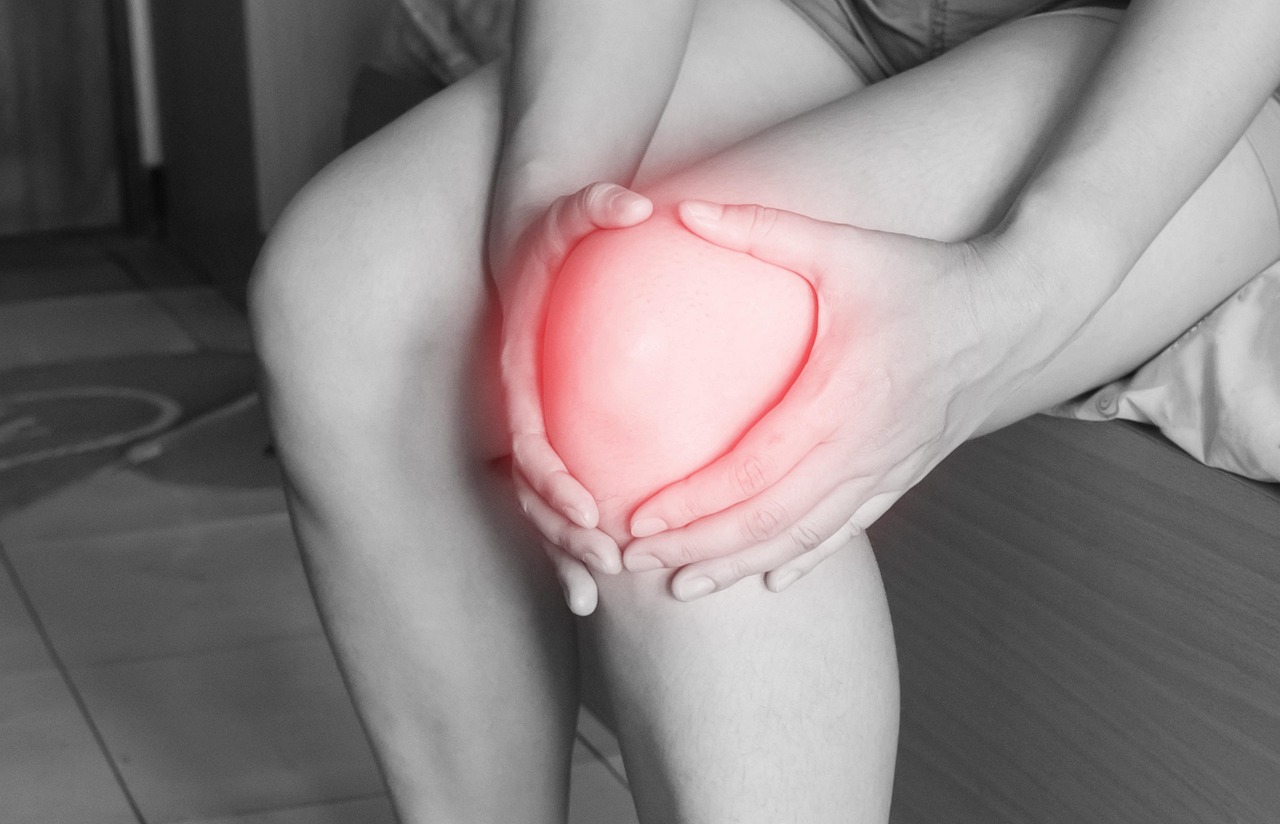
An unstable joint has a feel all its own. It's the ankle that rolls on a curb you've stepped off a thousand times. The knee that buckles for half a second going downstairs. The shoulder that feels like it might slip when you reach a certain way. Nothing's necessarily torn, but the joint stopped feeling solid, and once you notice it, you start moving carefully around it.
Most people think stability comes down to ligaments and leave it there. There's more to it, and the missing piece is usually why a joint stays shaky long after the original injury healed.
What Actually Holds a Joint Together
A joint stays steady through a few layers working at once. The ligaments are the obvious ones, the tough bands tying bone to bone that keep things from moving too far. But they're passive. They don't react. They just hold the line at the end of the range.
The muscles around the joint are the active layer. They brace and adjust in real time, controlling the joint through every movement. Strong, responsive muscles are a huge part of what keeps a joint from giving way, which is exactly why weakness shows up as instability.
Then there's the layer almost nobody hears about.
The Joint Loses Track of Where It Is
Inside your ligaments and around the joint sit tiny sensors that constantly tell your brain where the joint is and how it's moving. That sense is called proprioception, and it's what lets you catch yourself the instant you start to roll an ankle, before you even think about it.
When a joint gets injured, those sensors get disrupted. So even after the tissue heals, the joint isn't reporting cleanly anymore. Your brain gets the warning a beat too late, the muscles fire a beat too slow, and the joint gives out before you can stop it. That's the ankle that keeps rolling years after the first sprain. The tissue mended. The sense of position never got retrained.
This is the part most people skip entirely, and it's often the whole reason a joint stays unreliable.
The Treatments That Rebuild Stability
Good care works every layer, not just the one that hurts. It usually pulls from a few directions:
- Strengthening the muscles around the joint so they brace it through the full range
- Balance and proprioception work to retrain that lost sense of position, often the missing key
- Targeting the weak links up the chain, since a wobbly knee often traces to weak hips
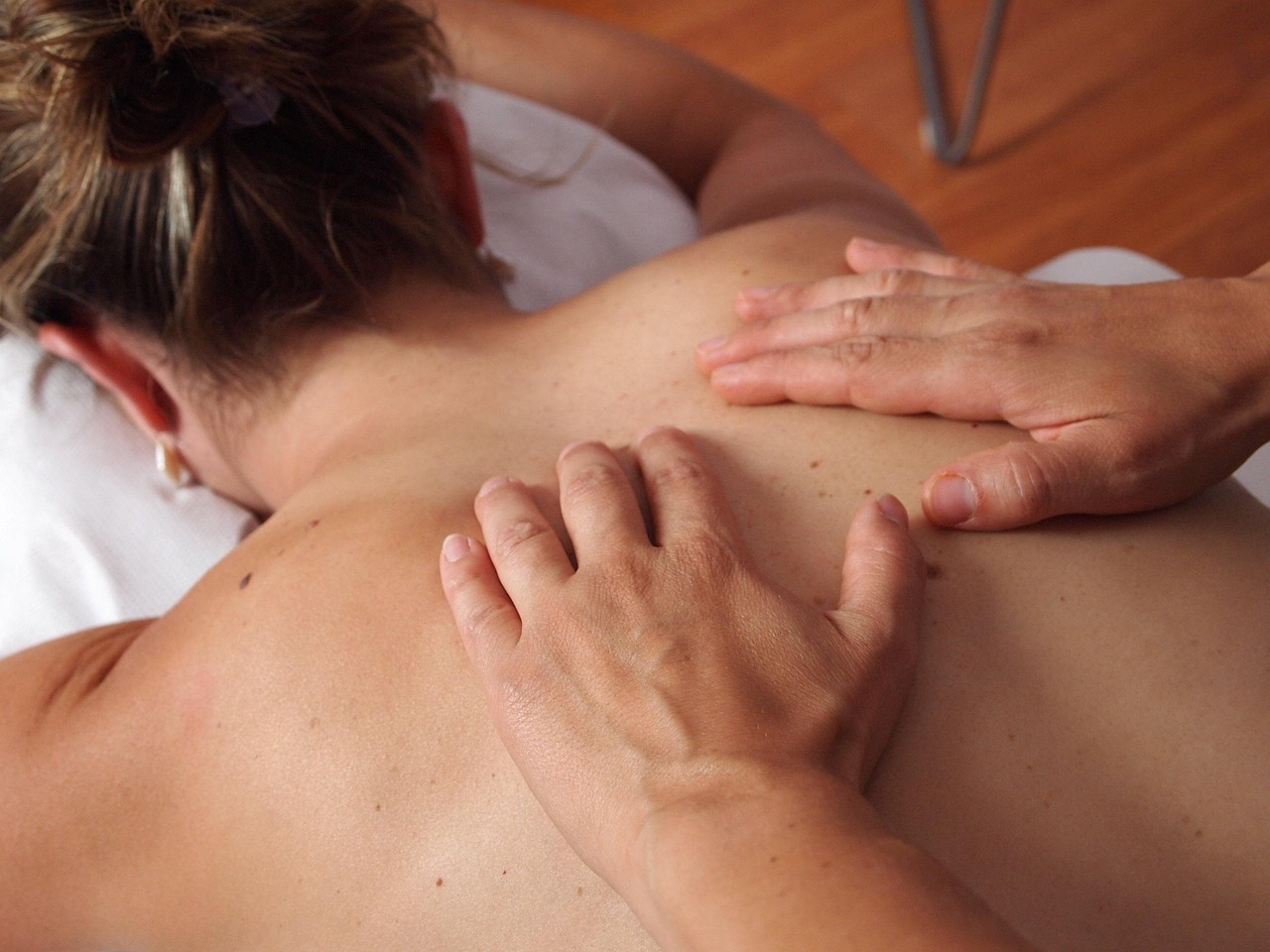
- Hands-on work and movement retraining so the joint tracks the way it should
- A graded return that rebuilds the joint's confidence under real load before you trust it fully
That second one is what sets real stability work apart. Balance drills on uneven surfaces, single-leg work, and reactive exercises that force the joint to catch itself, all of it rewires those quick protective reflexes that an injury knocked offline.
Reach out to Modern Medicine of Mesa, AZ, and we'll track down why it feels unsteady and get you on a plan to make it solid again.