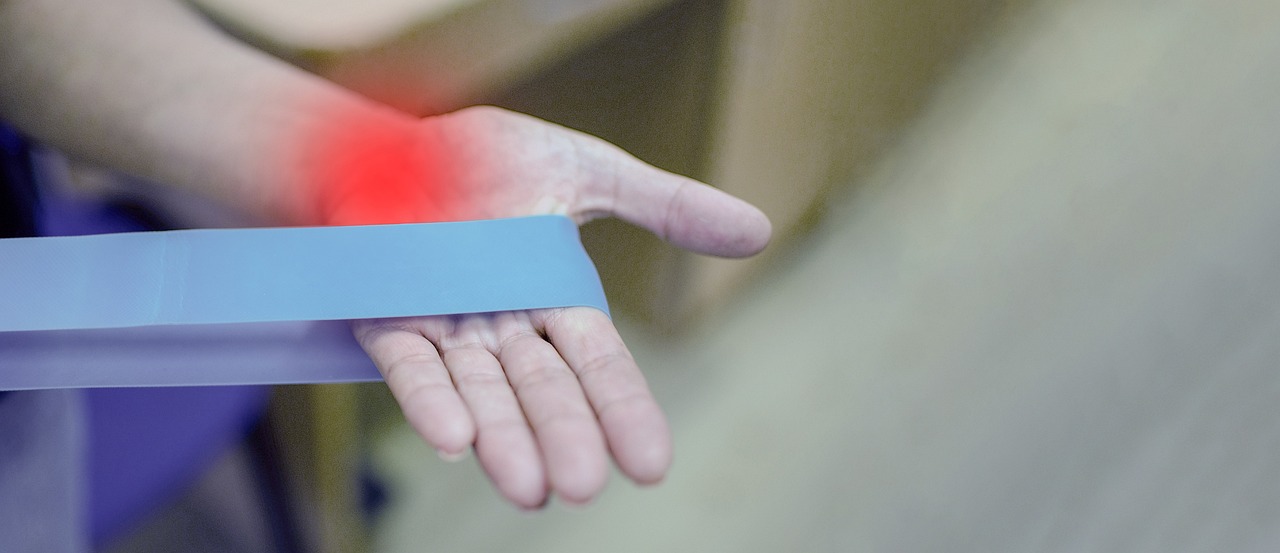
Arthritis isn't really measured by the diagnosis. It's measured by the day. By the small negotiations that pile up from the time you wake until you finally get to sleep. People describe the pain, but what actually wears them down is how it threads through every ordinary hour. So that's a fair way to look at whether a clinic can help. Walk through the day and see where care would change things.
The Morning Stiffness
It's worst right out of bed. The joint has been still all night, and still is exactly what arthritis hates. So the first stretch of the day is a slow thaw. Hands that won't quite close. A knee that doesn't want to bend down the stairs. A hip that makes getting up feel like a project.
This is the part people assume they're stuck with. They aren't, fully. A bit of gentle motion before you're up, plus stronger muscle around the joint, takes the real edge off that first-hour stiffness. It's one of the more fixable pieces of the whole picture.
The Midday Flare
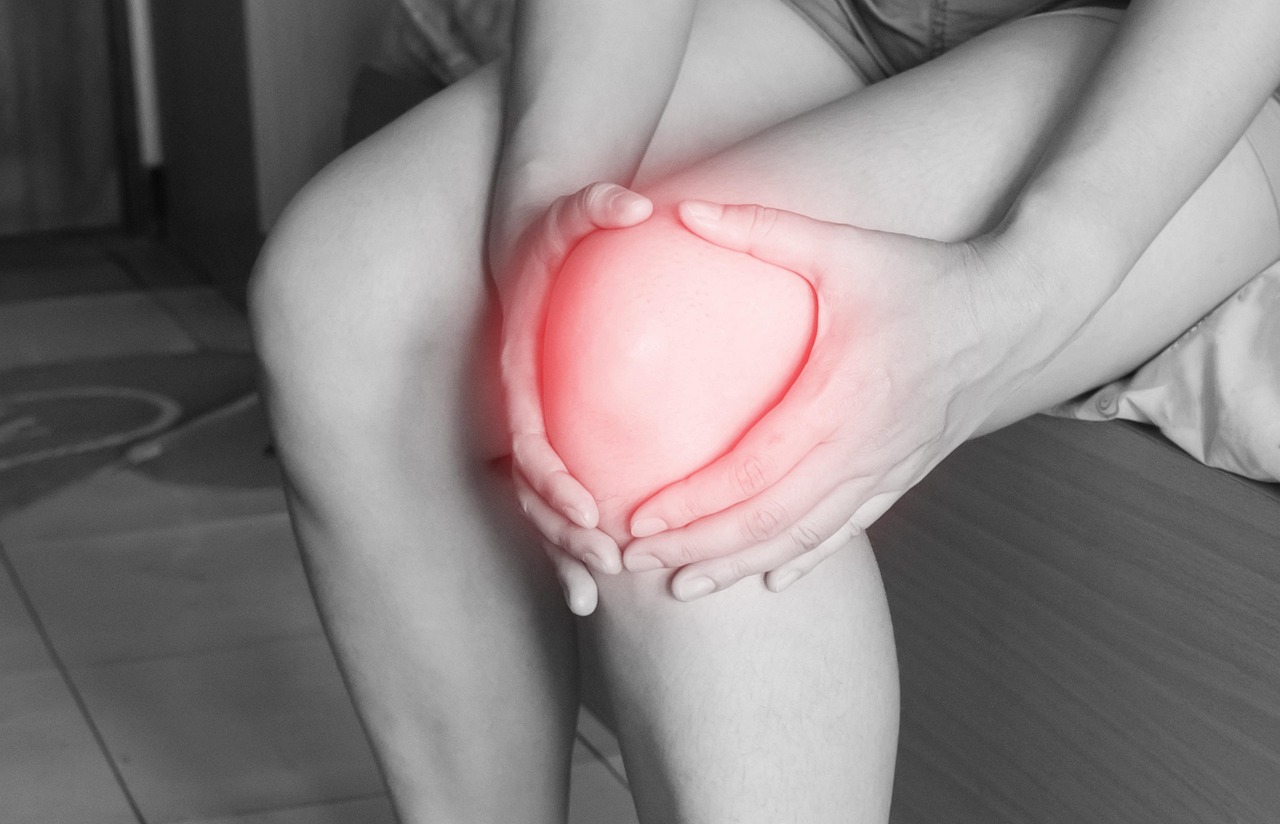
Then the day asks things of the joint. A grocery run. Stairs at work. Standing through a long errand. An activity that used to be nothing now leaves the joint sore and swollen, and the more you do, the louder it gets.
Here's the trap most people fall into. They cut back to dodge the flare, the muscles around the joint weaken from doing less, and the joint ends up carrying even more on its own. So the pain that made them rest leads to weakness that makes the pain worse. That loop is the heart of why arthritis tends to creep downhill, and it's exactly what good care interrupts.
The Evening Ache and the Bad Night
By evening, it's the deep, settled ache. The joint has done its work for the day and it's letting you know. Then comes the part people mention most. Sleep. The ache makes it hard to get comfortable, you wake when you roll onto it, and a rough night leaves the next morning's stiffness even worse. The day feeds the night feeds the day.
What an Orthopedic Clinic Actually Changes
Here's the useful part. The aim goes past dulling the pain for an afternoon. It targets the daily cycle itself.
The work usually pulls from a few directions:
- Strengthening the muscles around the joint so they carry load btter, which eases nearly every part of the day
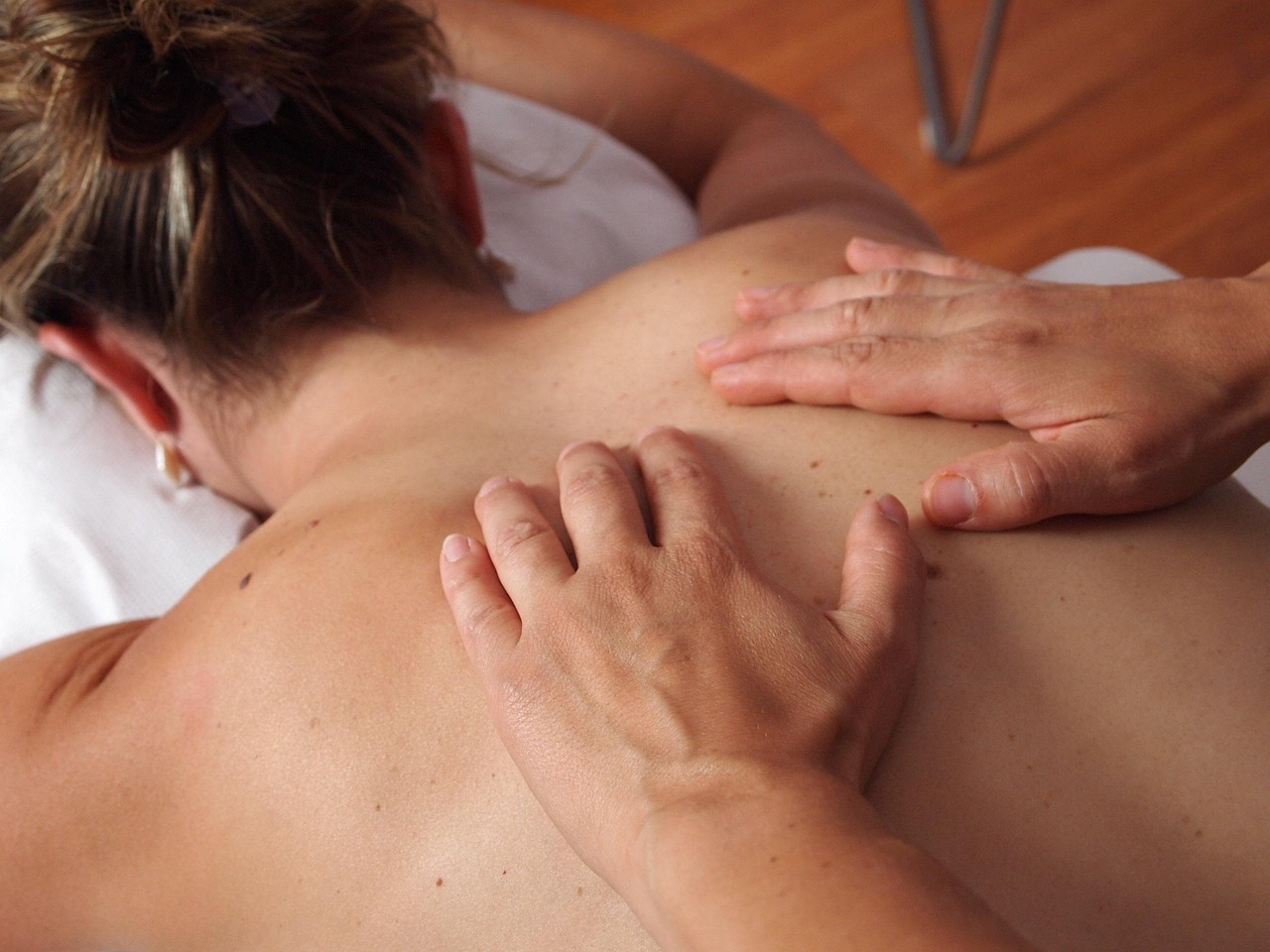
- Hands-on therapy and movement to win back the range that the stiffness has taken
- Guidance on staying active in ways that are gentle on the joint instead of cutting activity altogether
- Injections when inflammation is driving the flares and won't quiet on its own
- Small daily adjustments that keep the joint from setting up in the first place
Most people assume arthritis means waiting around for a joint replacement. For a lot of them, that's years off, or never. A wide stretch of non-surgical care sits in between, and it's aimed squarely at giving back the ordinary hours arthritis has been chipping away.
Give us a call at Modern Medicine of Mesa, AZ. We'll take a look at what your joints are dealing with and build a plan to give you back more of your day.